
100 Amp vs. 200 Amp Electrical Service: Which Is Right for Your Home?
Your electrical panel is easy to ignore because it quietly does its job every day. But as homes get older and household electricity needs change, the amount of power your home can safely handle becomes increasingly important.
If you’re buying an older home, planning major improvements, or simply wondering whether your electrical system can keep up, you may have come across terms like 100 amp service and 200 amp service.
But what do those numbers actually mean, and how do you know which one is right for your home?
Understanding your home’s electrical service capacity can help you make smarter decisions before problems arise or major work begins.
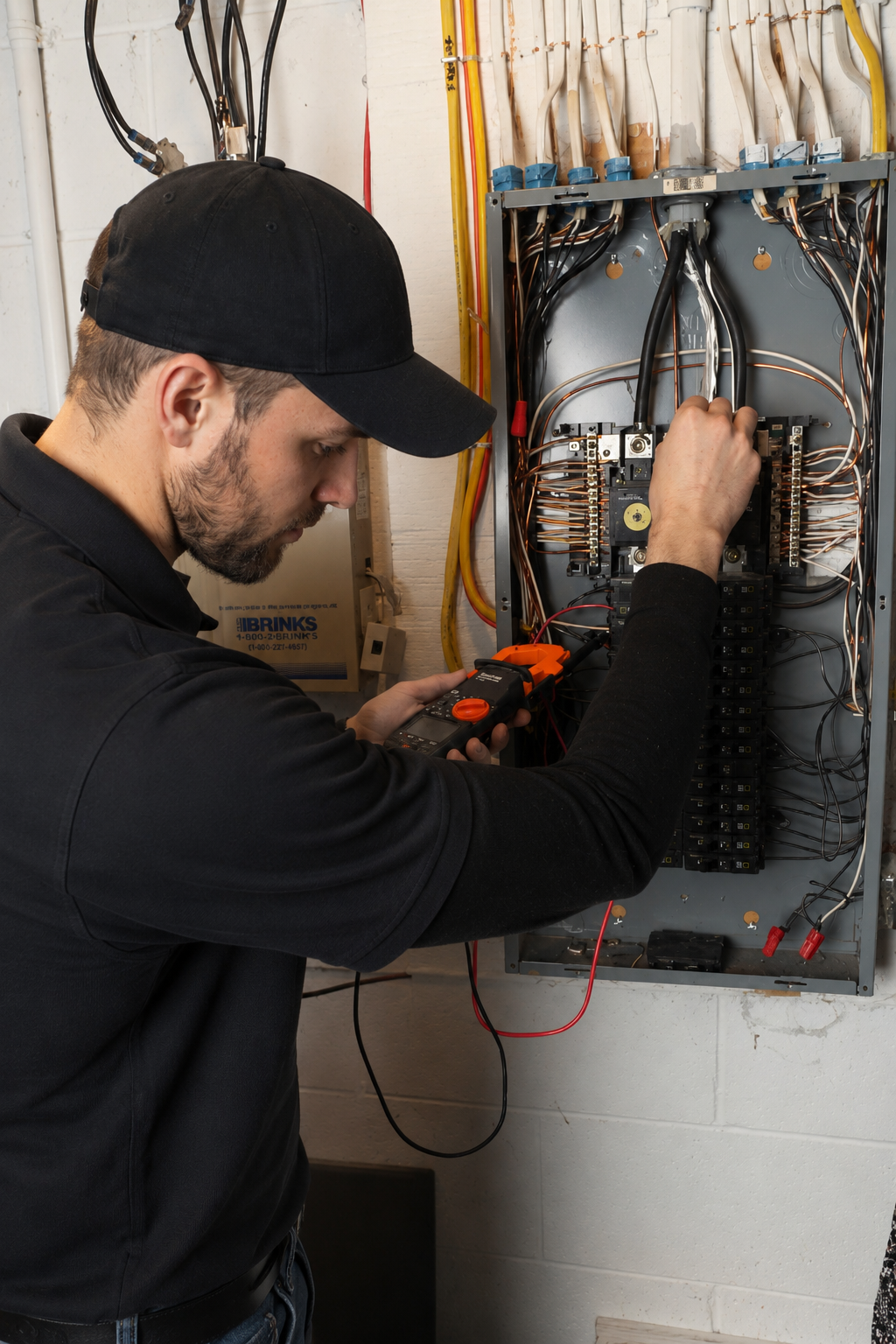
What Does 100 Amp or 200 Amp Service Mean?
The number refers to the maximum electrical current your home’s main electrical service is designed to handle.
A 100 amp service was common in many older homes and may still be perfectly suitable for properties with lower electrical demand.
A 200 amp service provides substantially more capacity and is common in newer homes or properties with higher electrical requirements.
The important thing to remember is that bigger isn’t automatically better. The right service depends on the home’s actual electrical requirements.
A professional assessment helps determine whether your existing service is adequate or whether an upgrade makes sense.
Why Older Homes May Need More Electrical Capacity
Homes built decades ago weren’t designed around the same electrical demands we have today.
A typical household now relies on far more electrical equipment than previous generations did. Modern kitchens, home offices, entertainment systems, heating and cooling equipment, and other electrical appliances can place significantly greater demands on a home’s service.
An older 100 amp system may continue operating normally for years, but that doesn’t necessarily mean it has enough capacity for everything you want to add.
That’s where proper electrical planning becomes important.
How Do You Know If Your Electrical Service Is Undersized?
There isn’t one single sign that automatically means your home needs a service upgrade. However, certain situations can be a reason to have your electrical capacity evaluated.
You may want to speak with a licensed electrician if:
- Your home still has an older electrical service
- You’re planning significant renovations
- You want to add several new electrical appliances
- Your electrical system frequently struggles with increased demand
- You’re purchasing an older property and don’t know its electrical history
- Your current service doesn’t provide the flexibility you need
These situations don’t necessarily mean you need a 200 amp upgrade. They simply indicate that it’s worth having the system properly evaluated.
100 Amp vs. 200 Amp: What’s the Difference?
The biggest difference is available capacity.
A 100 amp service can be suitable for a smaller or less electrically demanding home. However, as electrical usage increases, the available capacity can become more limited.
A 200 amp service provides greater capacity for a home’s overall electrical demand and can give homeowners more flexibility when making future improvements.
That doesn’t mean every homeowner needs to upgrade immediately.
The right decision should be based on your home’s size, existing electrical equipment, calculated load, and plans for the property.
Why Load Calculation Matters
Choosing an electrical service based simply on the size of your home isn’t enough.
A proper load calculation considers the electrical demands throughout the property to determine how much capacity the home actually requires.
This helps prevent two common mistakes:
Underestimating your needs — which can leave you with insufficient capacity.
Overbuilding the system — which may result in an upgrade that isn’t necessary for your home’s actual requirements.
A professional electrical contractor can evaluate the existing system and determine what level of service is appropriate.
What Happens During a Service Upgrade?
A residential service upgrade is more involved than simply replacing the breaker panel.
Depending on the property and the scope of the project, an upgrade may involve changes to the electrical service equipment, panel, breakers, wiring, and related components.
The work also needs to be properly planned and coordinated with applicable permitting and inspection requirements.
This is why service upgrades should be handled by a licensed electrical contractor rather than treated as a simple DIY panel replacement.
Should You Upgrade Before Renovating?
If you’re planning a major renovation, it’s smart to consider your electrical service before construction begins.
A renovation can change how your home uses electricity, particularly when you’re adding new rooms, remodeling major areas, or introducing additional electrical equipment.
Evaluating your service capacity early gives you the opportunity to address electrical requirements before walls are finished and construction is complete.
That can make the overall project more organized and help avoid having to revisit finished areas later.
A Service Upgrade Can Prepare Your Home for Change
One of the biggest benefits of having adequate electrical capacity is flexibility.
Your home’s needs may change over time.
You may renovate, expand your living space, purchase new appliances, create a home office, or make other improvements that increase electrical demand.
Having an appropriately sized electrical service gives you more room to adapt.
The goal isn’t simply to install the largest possible service. It’s to create an electrical system that is properly matched to the home and capable of supporting its intended use.
Don’t Assume Your Home Needs 200 Amps
It’s easy to see “200 amp service” advertised as an upgrade and assume it’s automatically the best choice.
But electrical work should be based on actual requirements—not a one-size-fits-all recommendation.
A professional assessment can determine:
- Your existing service capacity
- Your home’s calculated electrical load
- Whether your current system is adequate
- Whether an upgrade would provide meaningful benefits
- What changes may be required to complete the upgrade
This approach helps homeowners make decisions based on their property rather than assumptions.
Why Professional Electrical Planning Matters
Your electrical service is one of the most important components of your home’s electrical infrastructure.
An improperly sized or poorly installed system can create unnecessary risks and complications.
Working with a licensed electrician ensures the upgrade is properly evaluated, planned, installed, and inspected according to applicable requirements.
At Wicks Electric, we take a practical approach to residential electrical upgrades. We look at the home’s existing system, understand what the homeowner wants to accomplish, and recommend solutions based on the property’s actual electrical needs.
Whether you’re dealing with an older 100 amp service or simply want to understand whether your home would benefit from additional capacity, getting professional advice is a good place to start.
Let Wicks Electric Take a Look
If you’re unsure whether your home’s electrical service has enough capacity for your current needs or future plans, our licensed electricians can evaluate your existing system, explain your options, and help you determine whether an upgrade is actually necessary—no pressure, no guesswork, just honest professional advice.
Contact Wicks Electric today to schedule your Electrical Safety Inspection.
📞 604-765-8439
📧 info@wickselectric.ca
🌐 www.wickselectric.ca
Wicks Electric
Lighting the Way
Creating Electrical Capacity for the Way You Live Today and Tomorrow.