
Aluminum Wiring in Vancouver Homes: What Every Homeowner Should Know Before Problems Start
Electrical problems are not always obvious. In fact, some of the most serious electrical hazards are hidden behind walls, quietly developing over years without any visible warning signs. One of the most common examples in older Vancouver homes is aluminum wiring.
If your home was built or renovated between the mid-1960s and late 1970s, there’s a good chance aluminum wiring may be part of your electrical system. While it was once considered a cost-effective alternative to copper, modern electricians now understand the safety concerns associated with aging aluminum wiring.
Why Was Aluminum Wiring Used?
During the 1960s and 1970s, the cost of copper increased significantly, leading builders to use aluminum wiring in many residential properties. At the time, it was an accepted practice and met electrical standards.
However, decades of real-world performance have shown that aluminum wiring behaves differently than copper and requires special attention to maintain safe electrical connections.
The Risks of Aging Aluminum Wiring
Unlike copper, aluminum expands and contracts more when electrical current flows through it. Over time, this repeated movement can loosen electrical connections at outlets, switches, light fixtures, and junction boxes.
Loose connections can create:
- Excessive heat buildup
- Arcing and sparking
- Damaged electrical devices
- Flickering lights
- Increased fire risk
The challenge is that these issues often occur behind walls where homeowners cannot easily see them.
Common Signs Your Home May Need an Inspection
While aluminum wiring problems are not always visible, some warning signs include:
- Warm outlets or switches
- Flickering or dimming lights
- Burning smells near electrical devices
- Discolored outlets or wall plates
- Frequently tripped breakers
Even if your home shows no symptoms, an inspection is still recommended if aluminum wiring is present.
A Practical Solution: Copper Pigtailing
Many homeowners assume that aluminum wiring means a complete rewiring project is required. Fortunately, that’s not always the case.
One of the most common solutions is copper pigtailing. This process involves connecting aluminum wiring to short sections of copper wire using approved connectors specifically designed for the application.
Copper pigtailing helps create safer, more reliable connections while avoiding the cost and disruption of a full home rewire.
The Importance of a Professional Electrical Inspection
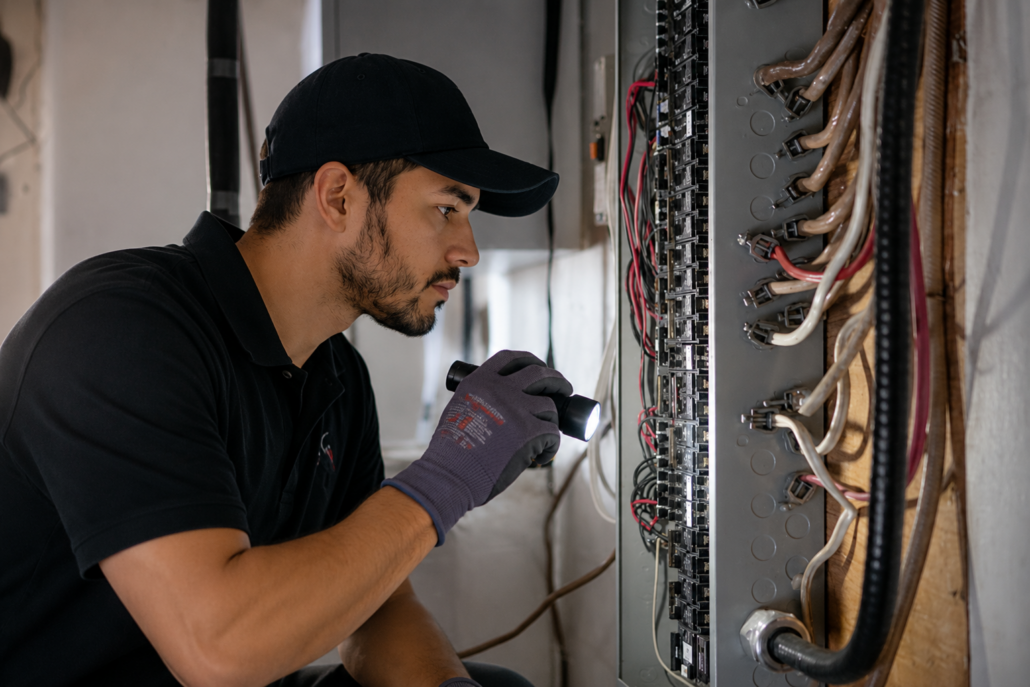
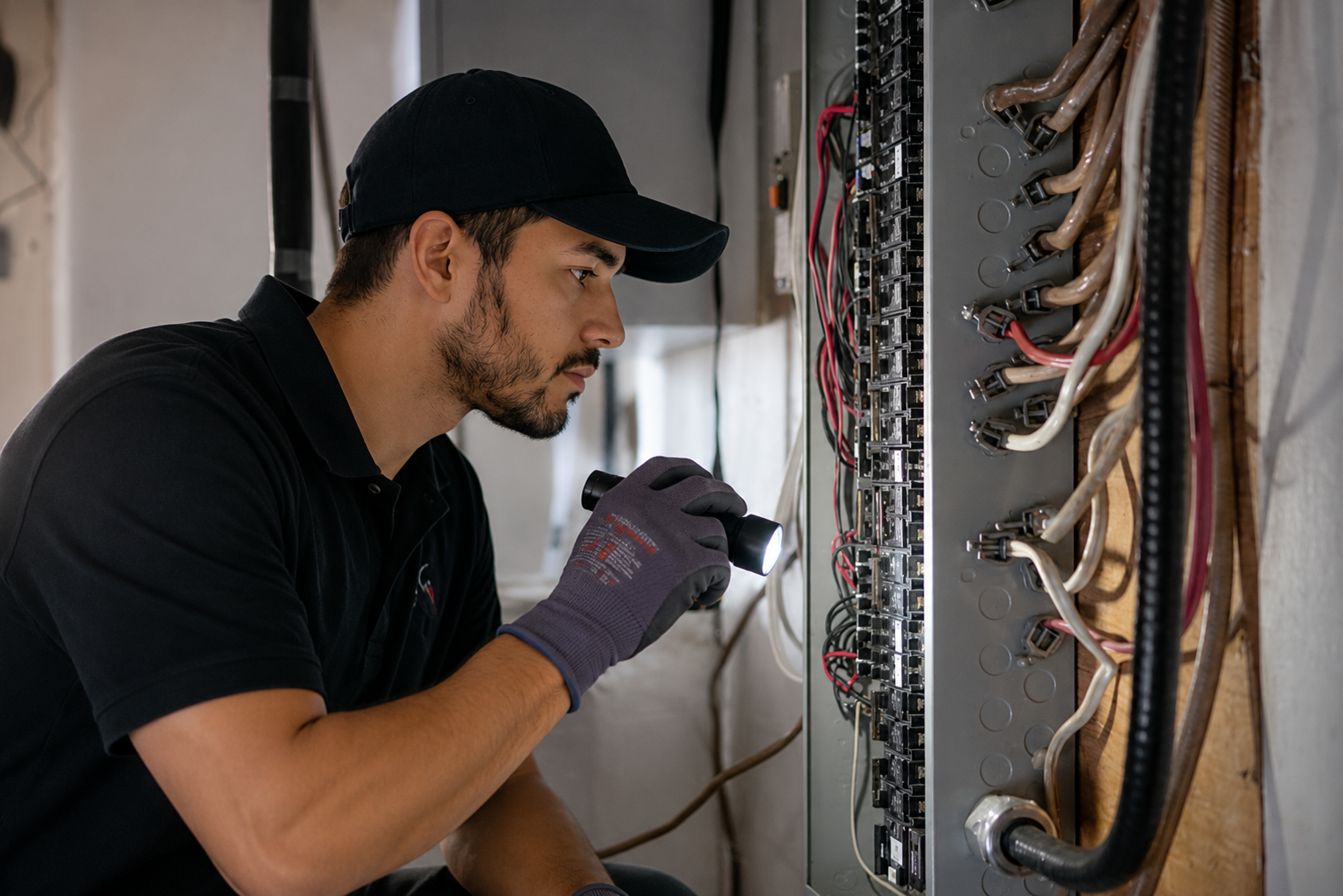
Identifying aluminum wiring and evaluating its condition requires the expertise of a licensed electrician. During a professional electrical safety inspection, electricians can assess wiring connections, electrical panels, switches, outlets, and other key components of your home’s electrical system.
At Wicks Electric, our comprehensive 20-point electrical safety inspection helps homeowners identify potential hazards before they become costly or dangerous problems.
Protect Your Home and Family
Electrical safety is not something homeowners should leave to chance. If your Vancouver home was built during the era when aluminum wiring was commonly installed, now is the perfect time to have it evaluated.
A professional inspection can provide peace of mind, improve the reliability of your electrical system, and help protect your home from preventable electrical hazards.
Contact Wicks Electric today to schedule a professional electrical safety inspection and learn whether your home’s aluminum wiring requires attention or upgrades.
👉 Click here to book your inspection
Or visit wickselectric.ca to learn more.