
Charging Your Electric Vehicle at Home: What Every Homeowner Should Know Before Installing an EV Charger
Electric vehicles are no longer just a glimpse into the future—they’re becoming part of everyday life. As more Canadians make the switch to electric driving, one question quickly follows:
“What’s the best way to charge my EV at home?”
While public charging stations continue to grow across Vancouver and the Lower Mainland, nothing compares to the convenience of plugging in at home and waking up to a fully charged vehicle every morning.
But before purchasing a home charger, there are a few important things every homeowner should understand.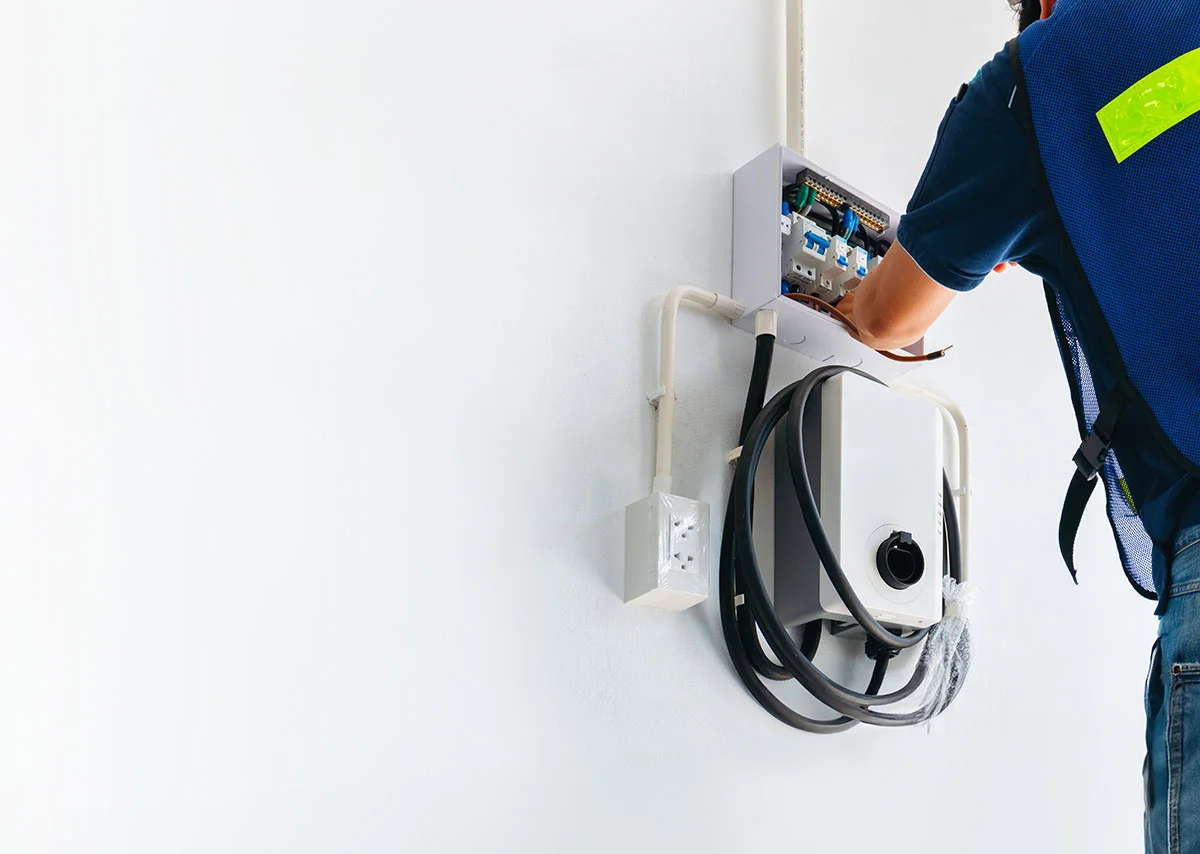
Why Home Charging Is Becoming the Preferred Choice
Public charging stations are convenient when you’re on the road, but they aren’t always available when you need them.
Charging at home offers several advantages:
- Charge overnight while you sleep
- Avoid waiting in line at public chargers
- Start every day with a full battery
- Charge on your own schedule
- Reduce the stress of finding an available charging station
For many EV owners, home charging quickly becomes one of the biggest benefits of owning an electric vehicle.
Understanding Level 1 vs. Level 2 Charging
Not all charging methods are created equal.
A standard household outlet (Level 1) can charge an electric vehicle, but it does so slowly. Depending on your vehicle and driving habits, it may take well over a day to fully recharge.
A Level 2 charger operates on a 240-volt circuit and delivers significantly faster charging, making it the preferred choice for most homeowners.
If you drive your EV regularly or have more than one electric vehicle in the household, a Level 2 charger provides the convenience and reliability most drivers are looking for.
Is Your Home Ready for an EV Charger?
Before installing a charger, it’s important to understand whether your home’s electrical system can safely support the additional demand.
A licensed electrician will typically evaluate:
- Your electrical panel capacity
- Available breaker space
- Existing electrical load
- Garage or parking location
- Distance from the electrical panel
- Future charging needs
Every home is different, and the right solution depends on your property’s existing electrical infrastructure.
Planning Ahead Can Save Time and Money
If you’re renovating your home, finishing your garage, or building a new house, it’s an ideal time to prepare for electric vehicle charging—even if you don’t own an EV yet.
Installing conduit or a dedicated circuit during construction is often much simpler and more cost-effective than making upgrades later.
Many homeowners are preparing today for the vehicles they’ll own tomorrow.
More Than Just Installing a Charger
A home EV charging system involves much more than mounting equipment on a wall.
Professional installation includes:
- Electrical load assessment
- Dedicated circuit installation
- Safe wiring and conduit routing
- Panel upgrades when required
- Code-compliant installation
- System testing
A properly installed charging station provides dependable performance while helping protect both your vehicle and your home’s electrical system.
Thinking Beyond Today
Electric vehicles continue to evolve, and many households are becoming multi-EV families.
Planning your electrical system with future expansion in mind can provide greater flexibility if you decide to add another charger, install battery storage, or integrate renewable energy solutions such as residential solar.
Future-ready planning helps your home keep pace with changing technology without unnecessary renovations.
Why Professional Installation Matters
Your EV charger becomes a permanent part of your home’s electrical system.
That’s why proper installation is essential—not only for reliable charging but also for long-term electrical safety.
Licensed electricians understand electrical load calculations, panel capacity, permitting requirements, and BC Electrical Code standards. They ensure your charger is installed correctly, safely, and ready to perform for years to come.
Why Homeowners Choose Wicks Electric
At Wicks Electric, we believe installing a home EV charger should be simple, safe, and tailored to your home’s needs.
Our experienced electricians work with homeowners throughout Vancouver and the Lower Mainland to assess electrical capacity, recommend practical charging solutions, and complete clean, professional installations that are built to last.
Whether you’ve just purchased your first electric vehicle or you’re preparing your home for the future, we’re here to help make charging at home convenient, reliable, and worry-free.
Let Wicks Electric Take a Look
If you’re thinking about installing a home EV charger or want to know whether your electrical system is ready, our licensed electricians can assess your home’s electrical capacity, answer your questions, and recommend the right charging solution for your lifestyle—no pressure, no guesswork, just honest professional advice.
Contact Wicks Electric today to schedule your Electrical Safety Inspection.
📞 604-765-8439
📧 info@wickselectric.ca
🌐 www.wickselectric.ca
Wicks Electric
Lighting the Way
Helping Homeowners Drive into the Future with Safe, Reliable EV Charging Solutions.
Is Solar Worth It in British Columbia? What Homeowners Should Know Before Installing Solar Panels
For many homeowners, switching to solar energy starts with one simple question:
“Is it really worth it?”
With electricity costs continuing to change and more people looking for sustainable ways to power their homes, residential solar has become one of the fastest-growing home improvements in British Columbia. But deciding whether solar is right for your property involves more than just installing panels on your roof.
Understanding how solar works, what factors affect performance, and how to prepare your home can help you make an informed decision that benefits your family for years to come.
Why More Homeowners Are Considering Solar
Solar energy has become increasingly popular because it offers something every homeowner wants—greater control over long-term energy costs.
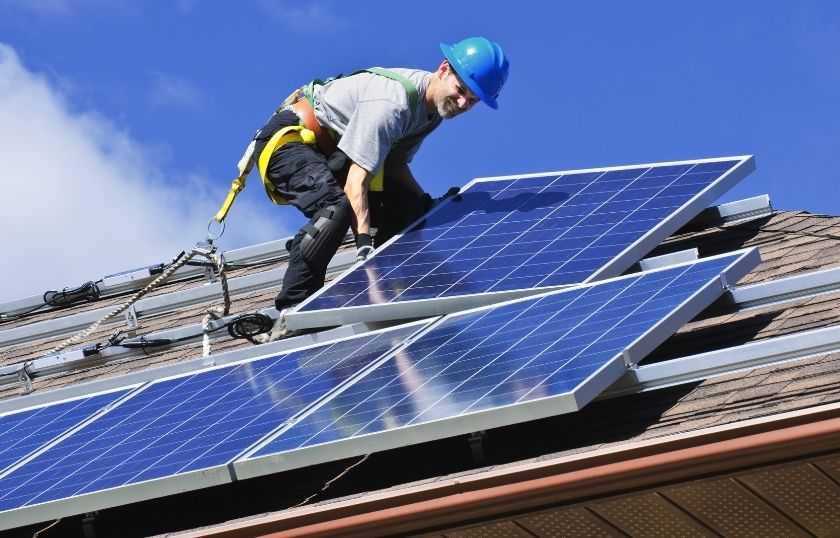
Instead of relying entirely on electricity from the grid, solar panels allow your home to generate clean, renewable energy from sunlight. That energy can be used to power your home during the day, helping reduce the amount of electricity you purchase from your utility provider.
For many homeowners, it’s not just about saving money—it’s about investing in a more efficient, resilient, and environmentally responsible home.
Is Your Home a Good Candidate for Solar?
Not every roof is exactly the same, which is why every solar project begins with an assessment.
Several factors influence how well a solar system may perform, including:
- Roof orientation
- Roof size
- Shade from nearby trees or buildings
- Overall energy usage
- Available roof space
- Future expansion plans
A professional evaluation helps determine the best system size and layout to maximize energy production while ensuring the installation works with your home’s existing electrical system.
Solar Is About More Than Just Panels
Many people picture solar as a row of panels mounted on a roof, but a complete residential solar system involves much more.
Depending on your goals, your system may also include:
- Battery storage for backup energy
- Smart monitoring systems
- Grid-connected technology
- Electrical panel upgrades
- Energy management solutions
These components work together to create a reliable system that’s designed around your home’s specific needs.
Think Long-Term, Not Just Today
Installing solar isn’t simply about reducing next month’s electricity bill.
It’s a long-term investment that can improve your home’s efficiency while preparing it for future energy needs.
As more homeowners adopt electric vehicles, heat pumps, battery storage, and other energy-intensive technologies, producing your own electricity can become an increasingly valuable advantage.
Planning for these future upgrades during your solar installation helps create a more flexible electrical system as your household evolves.
Why Professional Design Matters
Every solar installation should be carefully designed—not copied from another home.
An experienced electrical contractor considers your property’s electrical capacity, energy goals, local regulations, and safety requirements before recommending a system.
Proper planning helps ensure your solar system performs efficiently while integrating seamlessly with your home’s electrical infrastructure.
It’s not simply about installing equipment—it’s about designing a complete energy solution that works for years to come.
Choosing Quality Matters
Solar is a long-term investment, so choosing quality equipment and professional installation is just as important as choosing to go solar in the first place.
Reliable solar panels, battery storage systems, and electrical components are designed to provide dependable performance while minimizing maintenance over the life of the system.
Working with licensed electricians also ensures every installation complies with BC Electrical Code, local permitting requirements, and current safety standards.
Why Homeowners Choose Wicks Electric
At Wicks Electric, we believe going solar should feel straightforward—not overwhelming.
We take the time to understand your home’s energy needs before designing a system that’s efficient, reliable, and built for long-term performance.
From the initial site assessment and custom system design to permitting, installation, and ongoing support, our team manages every step with careful attention to detail.
Whether you’re adding solar to an existing home or planning a new build, we’ll help you make confident decisions that support your home today and prepare it for tomorrow.
Let Wicks Electric Take a Look
If you’re curious about solar energy or wondering whether your home is a good candidate for solar panels, our licensed electricians can assess your property, explain your options, and recommend a system that’s tailored to your energy goals—no pressure, no guesswork, just honest professional advice.
Contact Wicks Electric today to schedule your Electrical Safety Inspection.
📞 604-765-8439
📧 info@wickselectric.ca
🌐 www.wickselectric.ca
Wicks Electric
Lighting the Way
Helping Vancouver Homeowners Harness Clean Energy with Confidence.
Home Generator Installation: Why More Homeowners Are Choosing Backup Power Before the Next Outage
Power outages rarely happen when it’s convenient. Whether it’s a severe winter storm, strong winds, or an unexpected issue with the electrical grid, losing power can quickly disrupt your daily routine.
For some families, it means spoiled food, no heating, or a home office that’s suddenly offline. For others, it can affect security systems, medical equipment, or the comfort and safety of loved ones.
That’s why more homeowners across Vancouver and the Lower Mainland are investing in standby home generators—not just for convenience, but for peace of mind.
What Is a Standby Home Generator?
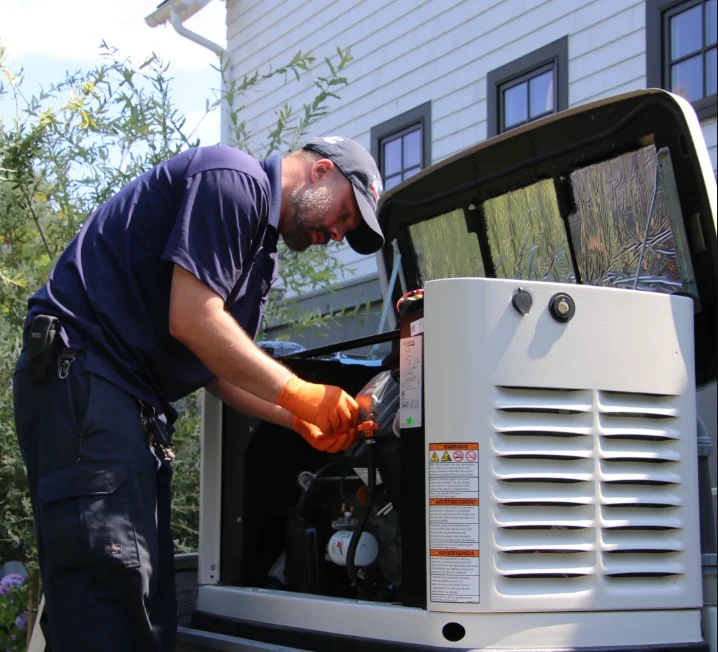
Unlike portable generators that require manual setup and extension cords, a standby generator is permanently installed outside your home and connected directly to your electrical system.
When a power outage occurs, the generator automatically detects the interruption and restores power to your essential circuits within seconds. Once utility power returns, the system safely switches back without you needing to do anything.
It’s an automatic solution designed to keep your home running when the unexpected happens.
Why Backup Power Matters
Modern homes depend on electricity for much more than lighting.
During a power outage, you could lose access to:
- Refrigerators and freezers
- Heating and cooling systems
- Internet and Wi-Fi
- Home offices
- Medical equipment
- Security systems
- Garage door openers
- Sump pumps
- Charging stations for phones and devices
Even a short outage can create inconvenience, while longer outages can become expensive and stressful.
A standby generator helps minimize those disruptions, allowing your home to continue operating safely and comfortably.
Is a Home Generator Worth It?
Many homeowners assume generators are only necessary in areas with frequent storms. However, power interruptions can happen for many reasons, including equipment failures, vehicle accidents involving utility poles, scheduled maintenance, or extreme weather.
Installing a home generator offers benefits that extend beyond emergency preparedness.
Some of the biggest advantages include:
- Automatic backup power within seconds
- No need for fuel storage or manual startup
- Protection for refrigerated food and appliances
- Continued operation of heating and cooling systems
- Reliable power for remote work
- Increased peace of mind during storms and emergencies
- Added value for your home
Knowing your family can remain safe and comfortable during an outage is something many homeowners find invaluable.
Choosing the Right Generator
Every home has different power requirements, which is why selecting the right generator begins with understanding how much electricity your household uses.
Some homeowners choose to power only essential circuits, while others prefer whole-home backup power.
A professional electrical assessment considers factors such as:
- Home size
- Electrical load
- Heating and cooling systems
- Appliances
- Lifestyle needs
- Future electrical upgrades
Choosing the correct generator size helps ensure reliable performance without overspending on unnecessary capacity.
Professional Installation Makes All the Difference
Installing a standby generator involves much more than placing equipment outside your home.
A complete installation includes:
- Load calculations
- Generator sizing
- Electrical panel integration
- Automatic Transfer Switch installation
- Permit coordination
- Safety testing
- Final commissioning
Because these systems become part of your home’s electrical infrastructure, installation should always be completed by licensed professionals who understand local electrical codes and safety requirements.
Proper installation ensures your generator operates safely and efficiently whenever you need it most.
Plan Ahead Before the Next Storm
The best time to install a standby generator isn’t during a power outage—it’s before one happens.
Planning ahead gives you time to choose the right system, complete the installation properly, and ensure everything is tested and ready before severe weather arrives.
Instead of wondering when the power will return, you’ll have confidence knowing your home is prepared.
Why Homeowners Trust Wicks Electric
At Wicks Electric, we believe backup power should be dependable, straightforward, and built to last.
Our team works closely with homeowners to recommend generator systems that match their home’s electrical needs while delivering clean, code-compliant installations from start to finish.
From your initial consultation and load assessment to professional installation, testing, and ongoing support, we’re committed to making the process simple and stress-free.
Whether you’re upgrading your current home or planning a new build, we’ll help ensure your family has reliable backup power when it matters most.
Let Wicks Electric Take a Look
If you’re considering a standby generator or want to know whether your home is ready for backup power, our licensed electricians can assess your electrical system, explain your options, and recommend a solution that fits your home’s needs—no pressure, no guesswork, just honest professional advice.
Contact Wicks Electric today to schedule your Electrical Safety Inspection.
📞 604-765-8439
📧 info@wickselectric.ca
🌐 www.wickselectric.ca
Wicks Electric
Lighting the Way
Keeping Homes Powered Through Every Season, Every Storm, and Every Outage.
Why Upgrading to LED Lighting Is One of the Smartest Improvements You Can Make
Lighting does much more than brighten a room—it influences comfort, productivity, energy consumption, and even the overall value of your property. If your home or business still relies on older lighting technology, upgrading to LED lighting is one of the simplest ways to improve both efficiency and everyday living.
Whether you’re renovating, replacing outdated fixtures, or looking to reduce your monthly energy costs, LED lighting offers long-term benefits that go far beyond lower electricity bills.
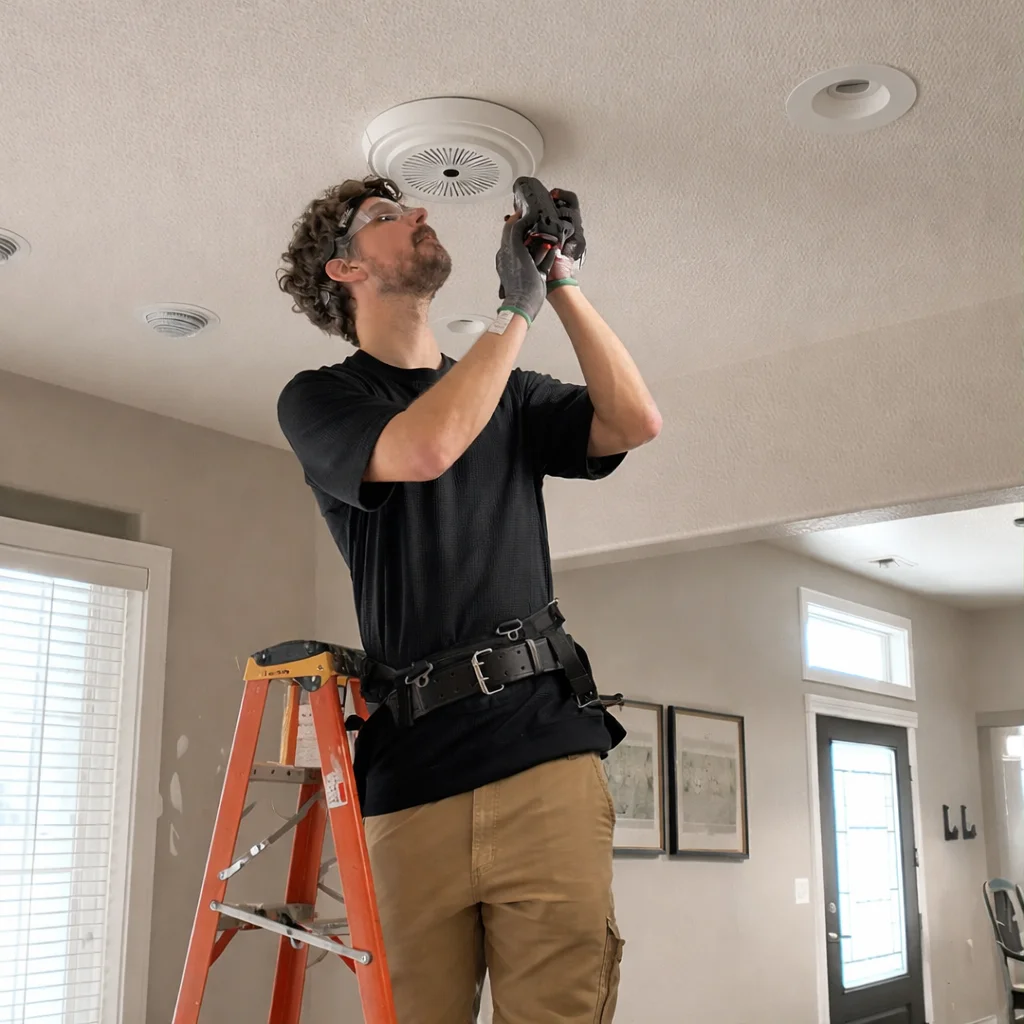
Why More Homeowners Are Switching to LED Lighting
LED lighting has become the preferred choice for residential and commercial properties because it’s designed to provide better performance while using significantly less energy than traditional bulbs.
Unlike older incandescent or halogen bulbs, LEDs convert more electricity into light rather than heat, making them a safer and more energy-efficient option.
Benefits of LED Lighting
Making the switch to LED lighting can provide several advantages, including:
- Lower energy consumption
- Longer-lasting bulbs that require less frequent replacement
- Reduced maintenance costs
- Brighter, more consistent illumination
- Less heat generated compared to traditional lighting
- A wide range of colour temperatures to suit every room
Whether you prefer warm lighting for a cozy living room or bright white lighting for a kitchen or workspace, LED technology offers options to match your lifestyle.
Upgrade More Than Just Your Bulbs
Many homeowners assume switching to LED simply means replacing a light bulb. In reality, upgrading your lighting can include much more.
You may want to consider:
- Modern recessed lighting
- Under-cabinet kitchen lighting
- Pendant lighting over islands
- Outdoor security lighting
- Landscape lighting
- Motion sensor lighting
- Smart lighting controls with dimmers and scheduling
A well-designed lighting plan can improve both the appearance and functionality of your property.
Improve Safety Around Your Home
Good lighting isn’t just about aesthetics—it also plays an important role in safety.
Well-lit entrances, walkways, driveways, and outdoor living spaces can improve visibility and help reduce the risk of trips and falls. Exterior lighting also provides added security by making it easier to see around your property after dark.
Inside the home, properly placed lighting creates safer, more comfortable spaces for cooking, working, reading, and everyday activities.
Professional Installation Makes the Difference
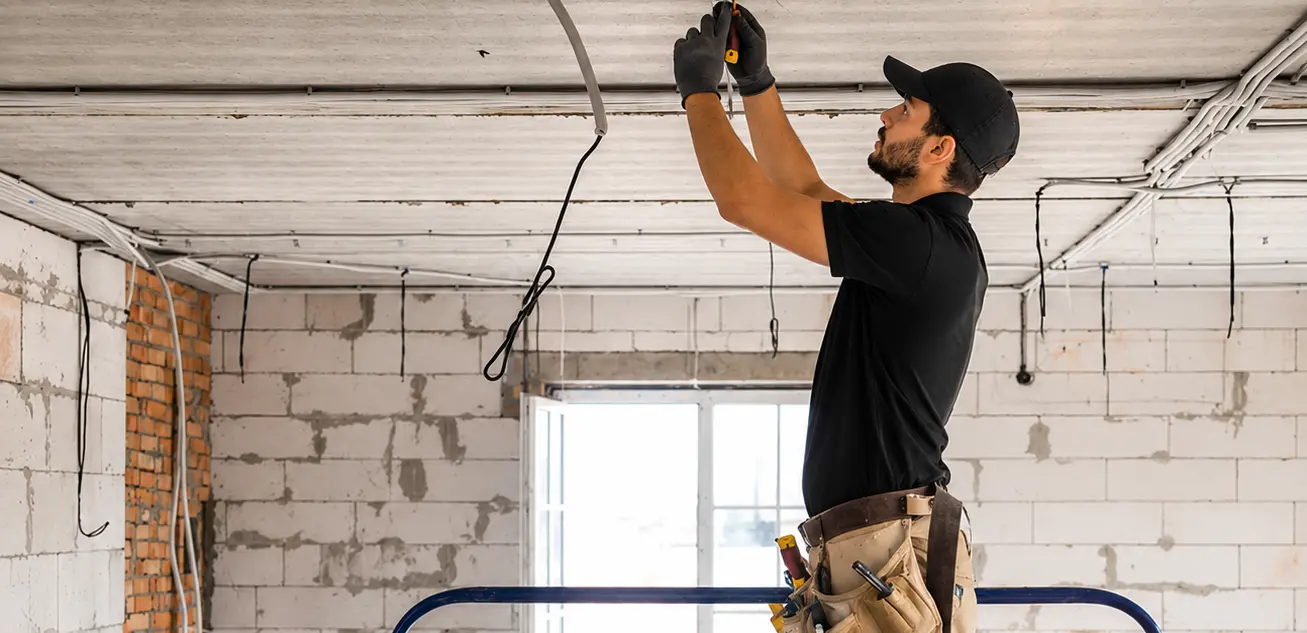
While replacing a light bulb is simple, installing new fixtures, recessed lighting, dimmers, or additional lighting circuits requires professional electrical expertise.
A licensed electrician can recommend lighting solutions that complement your space while ensuring every installation is completed safely and in accordance with current electrical standards.
At Wicks Electric, we help homeowners and businesses transform their spaces with lighting solutions that combine beauty, efficiency, and reliability. Whether it’s a single room or a complete property upgrade, our team is committed to delivering quality workmanship you can count on.
Let Wicks Electric Take a Look
If you’re considering upgrading your lighting or want to explore energy-efficient options for your home or business, our licensed electricians can assess your current lighting, discuss your goals, and recommend solutions that fit your space and budget—no pressure, no guesswork, just honest professional advice.
Contact Wicks Electric today to schedule your Electrical Safety Inspection.
📞 604-765-8439
📧 info@wickselectric.ca
🌐 www.wickselectric.ca
Wicks Electric
Lighting the Way
Brightening Homes and Businesses with Efficient, Modern Lighting Solutions.
Why Dedicated Circuits Matter More Than Most Homeowners Realize
As homes become smarter and our reliance on electrical devices continues to grow, your home’s electrical system is working harder than ever before. From kitchen appliances and home office equipment to electric vehicle chargers and heating systems, today’s electrical demands are significantly higher than they were just a decade ago.
One upgrade that often goes unnoticed—but plays a major role in keeping your home safe and efficient—is the installation of dedicated circuits.
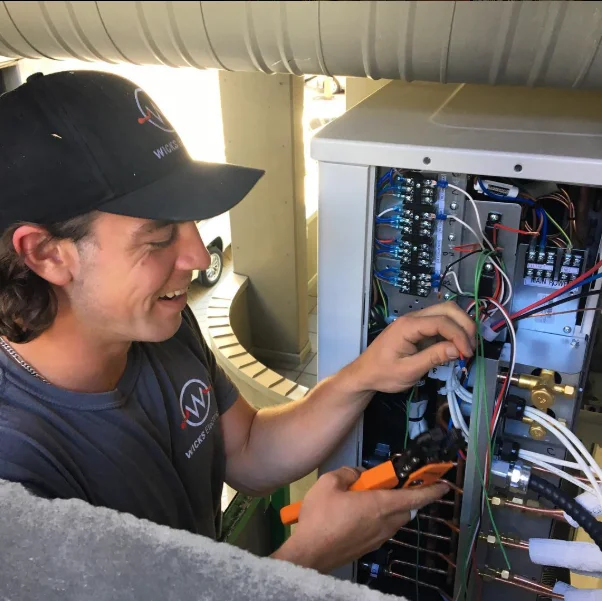
What Is a Dedicated Circuit?
A dedicated circuit is an electrical circuit designed to power a single appliance or piece of equipment. Instead of sharing electricity with multiple outlets or devices, that appliance receives its own power supply.
This helps prevent electrical overload, improves performance, and reduces unnecessary strain on your home’s electrical system.
Which Appliances Should Have Dedicated Circuits?
Many modern appliances require more electricity than standard household circuits are designed to handle. That’s why building codes often require dedicated circuits for certain equipment.
Some of the most common appliances that benefit from dedicated circuits include:
- Refrigerators and freezers
- Electric ranges and ovens
- Dishwashers
- Microwaves
- Washing machines and dryers
- Air conditioners and heat pumps
- Electric vehicle (EV) chargers
- Hot tubs and spas
- Sump pumps
- Home office equipment with high electrical demand
Providing these appliances with their own circuit helps them operate safely and efficiently while reducing stress on the rest of your electrical system.
Signs Your Home May Need Additional Dedicated Circuits
Many homeowners don’t realize their electrical system is overloaded until problems begin to appear.
Some common signs include:
- Breakers that trip repeatedly
- Lights that dim when large appliances start
- Outlets that feel warm to the touch
- Extension cords being used permanently
- Multiple high-powered appliances sharing the same outlet area
While these issues don’t always indicate a major problem, they often suggest your home’s electrical system could benefit from additional dedicated circuits.
Planning Ahead During Renovations
If you’re remodeling your kitchen, finishing a basement, creating a home office, or adding new appliances, it’s the perfect opportunity to evaluate your electrical system.
Installing dedicated circuits during a renovation is often more efficient than upgrading after construction is complete. It also helps prepare your home for future technology and changing electrical needs.
Whether you’re adding a new appliance today or planning for future upgrades, having the proper electrical infrastructure in place gives you greater flexibility for years to come.
Why Professional Installation Matters
Installing a dedicated circuit isn’t simply about running a new wire. Proper circuit sizing, breaker selection, electrical load calculations, and code compliance all play an important role in ensuring the installation is safe and reliable.
Working with a licensed electrician helps ensure your electrical system is designed to support your home’s unique needs while protecting your family, appliances, and investment.
At Wicks Electric, we believe every home deserves an electrical system that’s built for both today’s demands and tomorrow’s possibilities. Whether you’re upgrading a single appliance or planning a complete renovation, our experienced team is here to provide professional guidance and dependable electrical solutions you can trust.
Let Wicks Electric Take a Look
If you’re unsure whether your home has the dedicated circuits needed to safely support your appliances and electrical equipment, our licensed electricians can evaluate your electrical system, answer your questions, and recommend practical solutions tailored to your home’s needs—no pressure, no guesswork, just honest professional advice.
Contact Wicks Electric today to schedule your Electrical Safety Inspection.
📞 604-765-8439
📧 info@wickselectric.ca
🌐 www.wickselectric.ca
Wicks Electric
Lighting the Way
Powering Every Appliance Safely, One Circuit at a Time.