
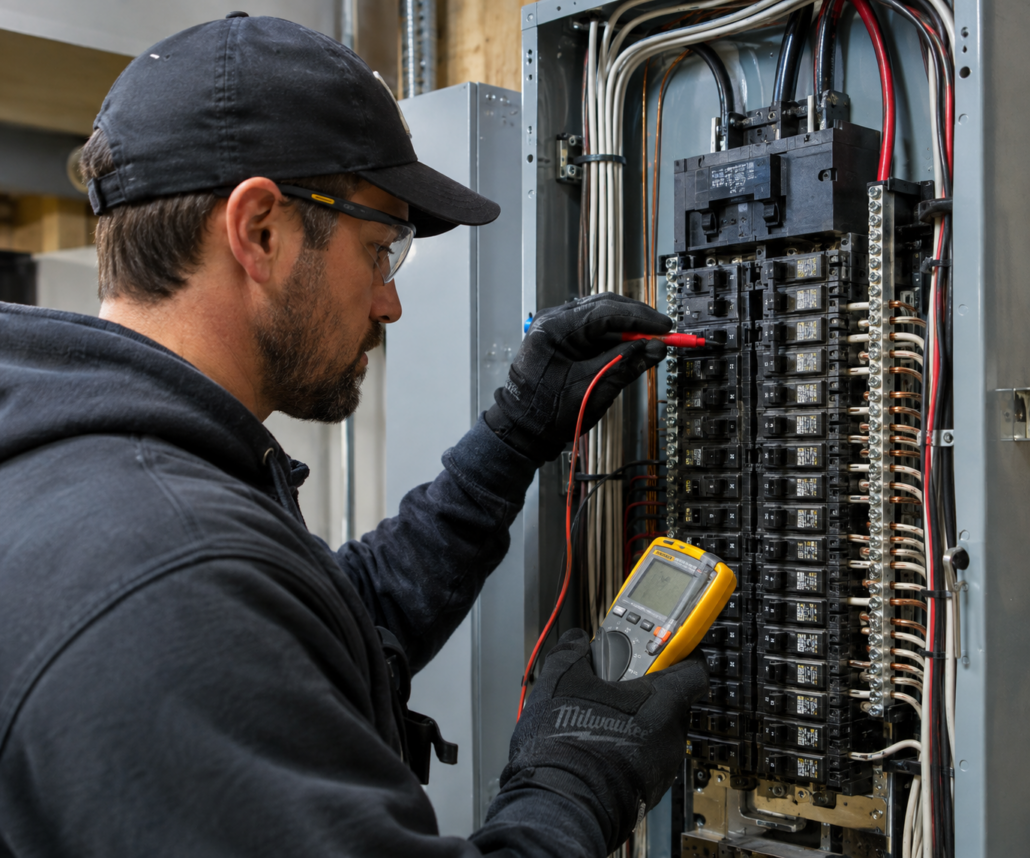
Electrician Vancouver: Is Your Electrical Wiring Safe for Today’s Electrical Demands?
When was the last time you had an electrician in Vancouver check whether your home’s wiring can safely handle the amount of electricity you use every day?
Most homeowners think about electrical safety when an outlet stops working, a breaker trips, or a light starts flickering. But some electrical problems can remain hidden behind your walls and inside your electrical panel for years.
One important check is conductor ampacity verification.
At Wicks Electric, our 20 Point Electrical Safety Inspection includes checking whether your wiring is properly suited to the breakers and electrical loads in your home. This helps identify potential electrical safety concerns before they become larger problems.
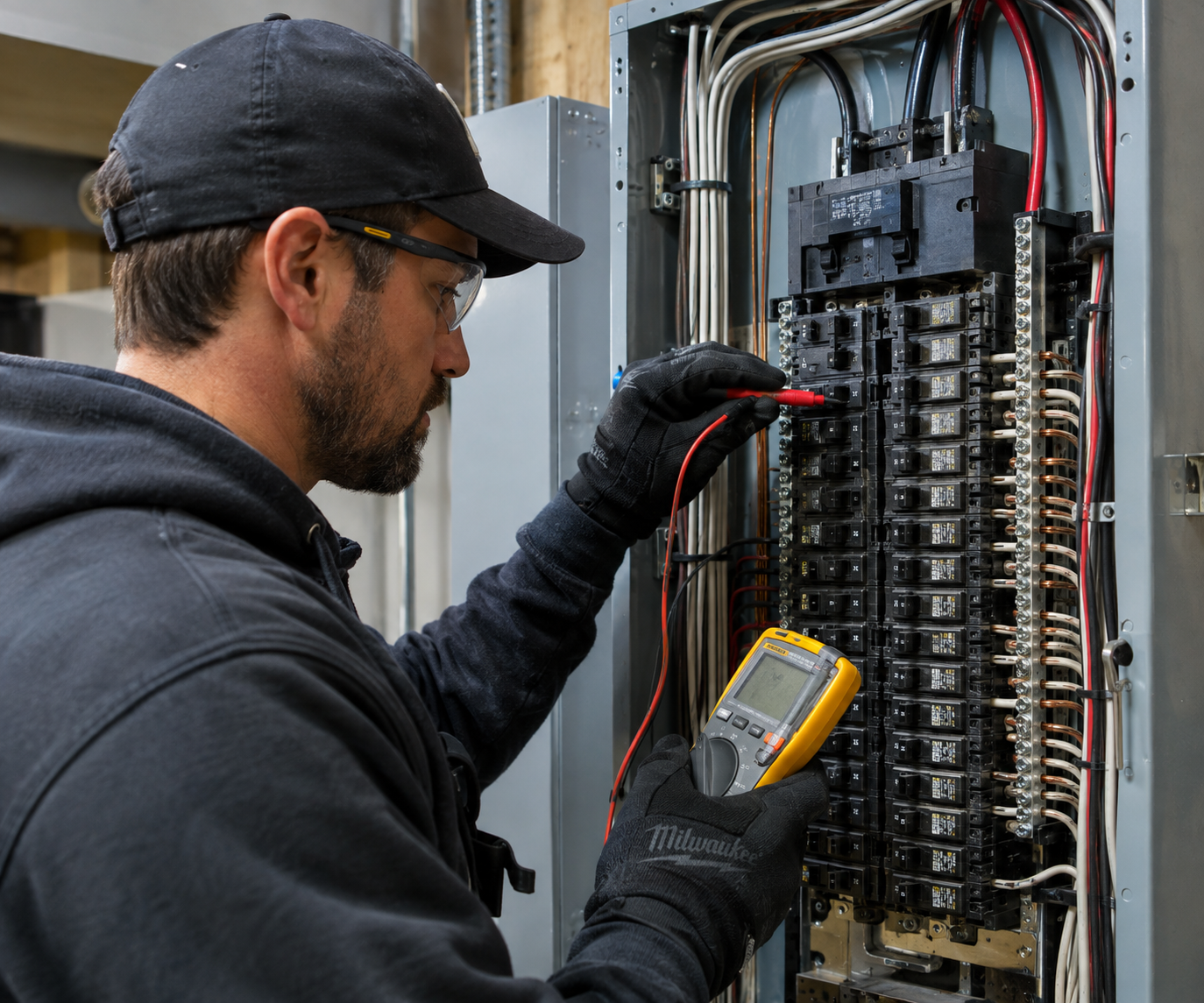
What Is Conductor Ampacity?
Ampacity refers to the maximum amount of electrical current that a wire can safely carry without overheating.
The safe capacity of a conductor depends on factors such as its size, material, insulation and installation conditions.
If wiring is not properly matched to the breaker or electrical load, excessive current can cause the conductor to become too hot. Over time, this can damage insulation and create a serious electrical safety concern.
That is why a professional electrical inspection should look at more than just whether your lights and outlets are working.
Why Your Electrical Wiring Matters
Your home’s electrical wiring carries power to almost everything you use.
Lighting, kitchen appliances, computers, televisions, heating equipment, air conditioning and other electrical devices all place demands on your electrical system.
Older homes may have electrical systems that were designed around much lower electrical demands than what modern households require today.
If you are adding new equipment or planning a renovation, it is important to know whether your existing electrical system is capable of safely supporting the additional load.
A qualified Vancouver electrician can evaluate your existing system and identify areas that may require attention.
What Does an Electrician Check During an Electrical Safety Inspection?
At Wicks Electric, conductor ampacity verification is one part of our broader 20 Point Electrical Safety Inspection.
Our electricians can look at several important areas of your electrical system.
Wire and Breaker Compatibility
The wiring and breaker protecting a circuit need to be properly matched.
For example, a 14 gauge wire should not simply be placed on a 20 amp breaker because the circuit appears to be working. Proper conductor sizing is an important part of electrical safety.
Signs of Overheating
We look for warning signs such as discoloured insulation, heat damage, unusual smells and other indications that a circuit may have experienced excessive stress.
High Demand Electrical Loads
Large electrical loads such as ovens, dryers and HVAC equipment require properly rated circuits.
When you are planning an electrical upgrade, these loads should be considered as part of the overall capacity of your electrical system.
Electrical Panel Inspection
Your electrical panel is the central point where many of your home’s circuits are protected and distributed.
An inspection can help identify potential issues with breakers, wiring and circuit configuration.
Thermal Imaging When Available
Thermal imaging can help identify unusual heat patterns that may not be visible during a normal visual inspection.
This can provide an additional diagnostic tool when investigating potential electrical problems.
Signs You May Need an Electrician in Vancouver
Electrical problems do not always start with a major failure.
Some warning signs can include:
• Frequently tripping breakers
• Flickering or dimming lights
• Warm outlets or electrical components
• Burning smells near outlets or the electrical panel
• Discoloured switches or outlets
• Electrical problems that repeatedly come back
If you notice any of these issues, it is a good idea to have a licensed electrician investigate the cause rather than repeatedly resetting the breaker or replacing components without identifying the underlying problem