
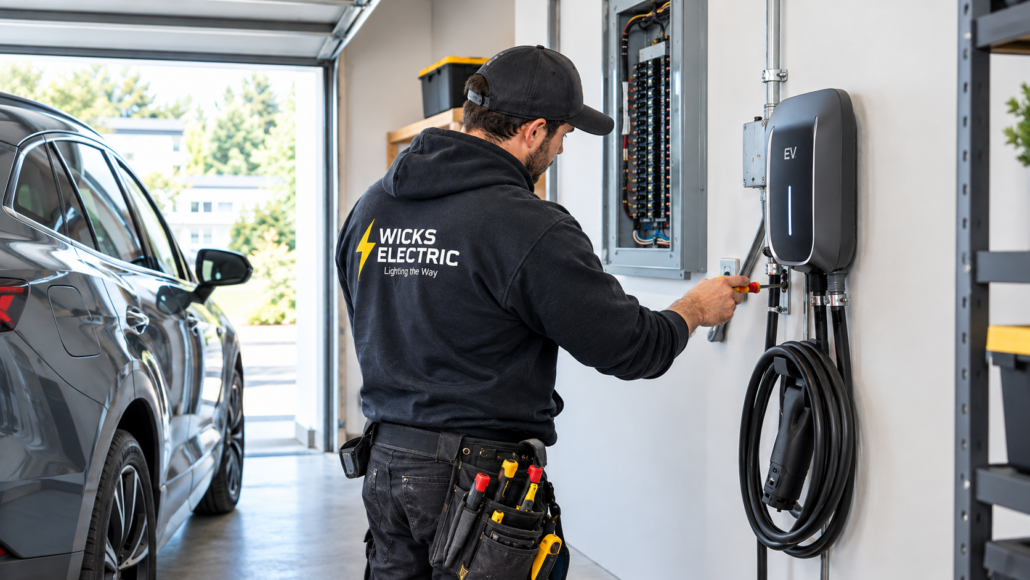
Is Your Home Ready for an Electric Vehicle Charger? A Vancouver Homeowner’s Guide
Electric vehicles are changing the way Canadians drive, and more homeowners across Vancouver and the Lower Mainland are looking for convenient ways to charge their vehicles at home. While owning an electric vehicle offers many benefits, preparing your home’s electrical system for charging is an important step that should not be overlooked.
At Wicks Electric, we help homeowners understand their electrical requirements and find practical solutions for safe, reliable EV charger installation. Whether you have recently purchased an electric vehicle or are planning ahead for the future, understanding your home’s electrical capacity can help you make an informed decision.
1. Why Install an EV Charger at Home?
Charging your electric vehicle at home gives you greater control over your daily routine. Instead of planning your day around public charging stations, you can charge your vehicle while you’re at home, including overnight.
Some of the key benefits of home EV charging include:
- Everyday convenience: Plug in when you arrive home and charge on your own schedule.
- Faster charging: A Level 2 charger can replenish your battery much faster than a standard household outlet.
- Greater flexibility: Choose charging times that suit your driving habits and household needs.
- Long-term practicality: A dedicated charging setup can make everyday EV ownership easier, particularly for households with regular commuting needs.
For many homeowners, installing a dedicated charging station is a worthwhile improvement that makes owning an electric vehicle more convenient.
2. Choosing the Right EV Charger for Your Lifestyle
Before purchasing charging equipment, it helps to understand the two most common home charging options.
Level 1 charging uses a standard household outlet and typically provides a slow charging rate. It may be suitable for drivers with short daily commutes or vehicles that remain parked for extended periods.
Level 2 charging uses a 240-volt supply and generally delivers substantially faster charging. It is a popular choice for homeowners who drive regularly, have longer commutes, or need more flexibility when charging their vehicles.
The best option depends on your vehicle’s charging capabilities, daily mileage, available charging time, and your home’s electrical system. An electrician can help determine whether your existing installation can accommodate your preferred charger.
3. Can Your Electrical Panel Handle an EV Charger?
One of the most important steps before installing an EV charger is evaluating your home’s electrical capacity.
An EV charger can add a significant electrical load, especially when operating alongside other high-demand appliances such as electric ranges, dryers, hot tubs, and heat pumps.
A licensed electrician can assess several factors, including:
- Your electrical service and panel capacity
- The existing electrical loads in your home
- Available breaker space
- The charger’s voltage and amperage requirements
- The distance between your electrical panel and parking area
- Your plans for future electrical upgrades or additional vehicles
Not every home needs an electrical service upgrade. Depending on the assessment, a dedicated circuit, an appropriate load management system, or another suitable solution may be sufficient.
The goal is to select a charging setup that meets your needs without exceeding your home’s electrical capacity.
4. What If Your Home Needs Electrical Upgrades?
Some homes can accommodate an EV charger with relatively minor electrical work, while others may require additional preparation.
If your existing electrical service has limited capacity, your electrician may recommend reviewing the available options before proceeding. These could include installing a suitable load management system, modifying the planned charger output, or upgrading the electrical service where necessary.
The location of your parking space also affects installation costs. A charger installed close to the electrical panel may require less wiring and conduit than one located in a detached garage or at the opposite end of the property.
Having your electrical system assessed before purchasing equipment can help you avoid unexpected expenses and choose a solution that works for your property.
5. Planning Your EV Charger Installation
A successful installation starts with understanding how you intend to use your charger.
Consider the following questions before scheduling the work:
- Where will you normally park and charge your vehicle?
- Will the charger be installed indoors or outdoors?
- How far is the parking location from your electrical panel?
- Do you need a longer charging cable or a particular mounting arrangement?
- Are you planning to purchase another electric vehicle in the future?
If you’re building a new home, renovating your garage, or upgrading your electrical system, preparing for EV charging during construction can simplify the installation process. Installing appropriate conduit or planning a dedicated circuit in advance may reduce the amount of work required later.
Even if you do not own an electric vehicle yet, discussing future charging requirements with your electrician can help you prepare your home more efficiently.
6. Why Professional EV Charger Installation Matters
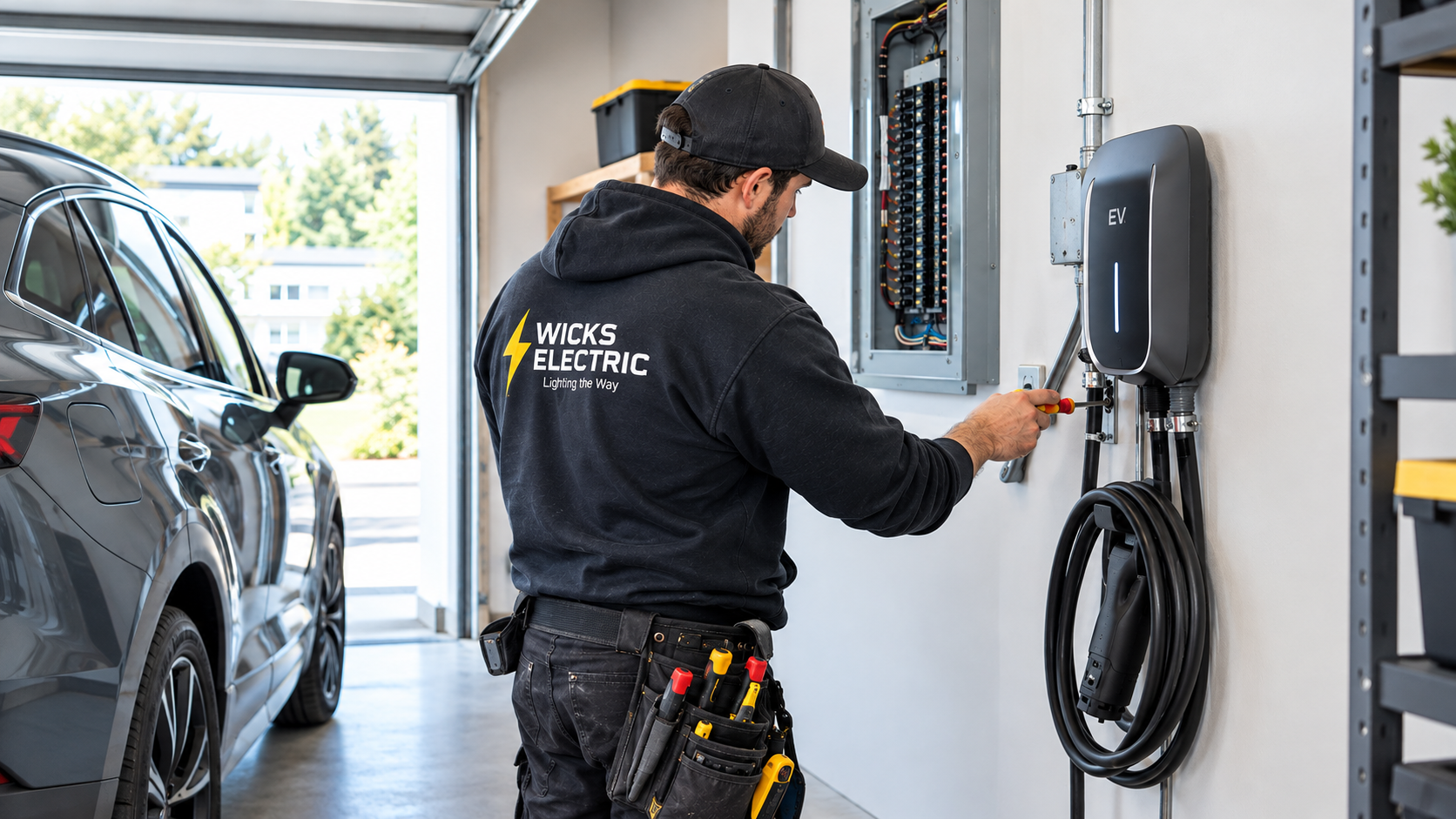
An EV charging station is connected to your home’s electrical system and must be installed with appropriate protection, wiring, and circuit capacity.
Professional installation helps ensure that the charger is suitable for your electrical supply and that the installation meets applicable electrical code requirements.
Depending on the project, installation may involve:
- Assessing electrical capacity and calculating the anticipated load
- Installing a dedicated branch circuit and appropriate overcurrent protection
- Routing and securing wiring or conduit
- Selecting a suitable mounting location
- Providing appropriate protection for outdoor equipment
- Testing the completed installation
- Addressing applicable permits and inspection requirements
In British Columbia, electrical work must comply with applicable provincial requirements and the relevant electrical code. Permit requirements depend on the project and applicable exemptions, so these should be confirmed before work begins.
Choosing a qualified electrical contractor helps ensure that important safety considerations are addressed from the beginning.
7. Think About Your Future Electrical Needs
Your first EV charger may not be the last electrical improvement your home requires.
As household technology evolves, you may eventually consider adding a second electric vehicle, installing a heat pump, or incorporating other electrical equipment into your home.
Discussing these possibilities during the initial assessment can help your electrician recommend a practical installation strategy. Where appropriate, planning for future capacity or adding suitable infrastructure during renovations may reduce the need for further construction later.
Future planning does not necessarily mean installing more equipment than you need today. It means making informed decisions that leave you with sensible options as your needs change.
8. Why Choose Wicks Electric for EV Charger Installation?
At Wicks Electric, we understand that every home has different electrical requirements. Our licensed electricians help homeowners throughout Vancouver and the Lower Mainland assess their electrical systems and determine the most suitable approach to home EV charging.
As a family-owned and operated electrical company, we focus on dependable workmanship, clear communication, and practical recommendations tailored to each property.
We take the time to evaluate your existing electrical setup, discuss your charging requirements, and identify any work that may be needed before installation. Our goal is to provide a safe, reliable solution that fits your home and your everyday routine.
Whether you’re installing your first EV charger or preparing your property for future electrical needs, our team is here to help.
Get Your Home Ready for EV Charging
Thinking about installing an electric vehicle charger? Before you purchase equipment or begin electrical work, let Wicks Electric assess your home’s electrical capacity and help you understand your options.
Our team can answer your questions, review your installation requirements, and recommend a practical solution for your property.
Contact Wicks Electric today to discuss your home EV charger installation in Vancouver and the Lower Mainland.
Wicks Electric | Lighting the Way
Phone: 604-765-8439
Email: info@wickselectric.ca
Website: www.wickselectric.ca
Wicks Electric. Helping Vancouver homeowners charge smarter with safe, reliable electrical solutions.