Is Your Wiring Safe? The Critical Electrical Check Most Homeowners Miss
Conductor Ampacity Verification: Protecting Your Home from Hidden Electrical Hazards
When was the last time someone checked whether the wires in your home were properly sized for the breakers they’re connected to?
If your answer is “never,” you’re not alone. Most homeowners think about electrical safety when an outlet stops working, a breaker trips, or they notice flickering lights. But some of the most important electrical safety checks happen behind the scenes, inside your electrical panel and throughout your wiring system.
At Wicks Electric, we believe electrical safety goes beyond making sure the power works. That’s why our 20-Point Electrical Safety Inspection includes Conductor Ampacity Verification, an important check that helps ensure your wiring can safely handle the electrical demands of your home or business.
What Is Conductor Ampacity?
Ampacity refers to the maximum amount of electrical current a conductor can safely carry without overheating.
Every electrical wire has specific limits based on factors such as:
- Wire size and gauge
- Conductor material, such as copper or aluminum
- Insulation type and temperature rating
- Installation conditions and surrounding environment
When a wire carries more current than it is rated for, excessive heat can build up. Over time, this heat may damage insulation, weaken electrical connections, and create serious fire hazards.
Proper conductor sizing is essential to keeping your electrical system safe and reliable.
The Hidden Risk Inside Your Electrical Panel
Your circuit breakers are designed to protect your wiring from excessive current. However, a breaker cannot properly protect a circuit if it is incorrectly sized for the conductors it serves.
For example, connecting a 14-gauge copper conductor to a 20-amp breaker without appropriate protection can create a serious safety hazard.
This is why checking the relationship between wire size, breaker rating, and the electrical load is so important.
Older homes may also have wiring that was originally installed for a much lower electrical demand. With modern appliances, home offices, air conditioning, and other electrical upgrades, existing circuits may require closer attention.
Even if everything appears to be working normally, hidden wiring issues can remain undetected.
How Wicks Electric Performs Ampacity Verification
During our 20-Point Electrical Safety Inspection, our electricians take a closer look at the condition and suitability of your electrical wiring.
1. Checking Wire Size and Breaker Ratings
We inspect accessible wiring and verify that conductor sizes are appropriate for their breaker ratings and intended loads.
This helps identify potential mismatches that could allow wiring to overheat before a breaker provides adequate protection.
2. Inspecting for Signs of Overheating
We look for warning signs such as discoloured insulation, heat damage, burnt smells, and stressed electrical connections.
These signs may indicate that a circuit has been operating under excessive electrical or thermal stress.
3. Checking High-Demand Appliances
Electrical appliances such as ovens, dryers, and HVAC equipment can place significant demands on your electrical system.
We check that these circuits are properly rated and that the wiring is suitable for the equipment being supplied.
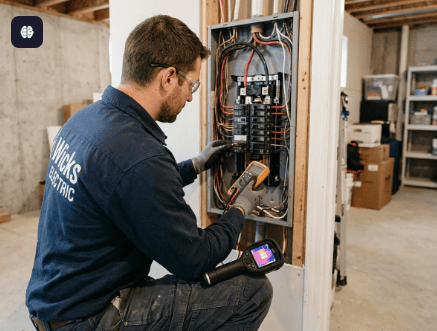
4. Using Thermal Imaging When Appropriate
When available and suitable for the inspection, thermal imaging can help identify unusual heat patterns at accessible electrical components.
This provides an additional diagnostic tool for identifying potential overheating concerns that may not be obvious during a visual inspection.
5. Planning for Future Electrical Needs
If you are planning renovations, installing new appliances, or upgrading your electrical system, conductor ampacity verification can help identify whether existing circuits are suitable for the intended changes.
A safe electrical system should be designed to meet your current needs while allowing for properly planned future upgrades.
What Can Happen If Wiring Is Not Properly Sized?
Ignoring conductor ampacity issues can lead to serious electrical problems, including:
- Overheated wiring inside walls or ceilings
- Damaged or deteriorating wire insulation
- Frequent breaker trips and power interruptions
- Electrical connection damage
- Appliance and equipment problems
- Increased risk of electrical fires
- Expensive repairs or rewiring during renovations
Many of these problems develop gradually and may not be visible until significant damage has occurred.
That’s why a thorough electrical inspection is so important.
Why Choose Wicks Electric?
At Wicks Electric, we are proud to provide professional electrical services in Vancouver and the Lower Mainland.
Our team is committed to doing the job properly, explaining our findings clearly, and helping customers understand the condition of their electrical systems.
We are known for:
- Licensed, insured, and experienced electricians
- Honest, no-pressure service
- Professional and respectful workmanship
- Clean work practices, including boot covers and drop cloths
- A commitment to safety, education, and long-term reliability
We don’t simply check boxes. We take the time to look for potential concerns and help you make informed decisions about your electrical system.
Book Your 20-Point Electrical Safety Inspection
Your electrical wiring may be hidden behind walls, but its safety should never be overlooked.
Whether you live in an older home, are planning a renovation, or simply want peace of mind, Wicks Electric’s 20-Point Electrical Safety Inspection includes Conductor Ampacity Verification and other important safety checks.
Protect your home. Protect your family. Protect your investment.
Contact Wicks Electric today to book your electrical safety inspection.
Visit wickselectric.ca to learn more about our electrical services in Vancouver and the Lower Mainland.
Wicks Electric Inc.
Lighting the Way. Building Relationships for Life.