Why Regular Breaker Testing Is One of the Most Important Electrical Safety Checks
Most homeowners rarely think about their electrical panel until something goes wrong. A breaker trips, the lights start flickering, or an appliance suddenly loses power.
But behind that electrical panel door are some of the most important safety devices in your home or business: circuit breakers.
Circuit breakers are designed to protect your electrical system by shutting off power when they detect dangerous conditions such as an overload, short circuit, or electrical fault. However, breakers can wear out, become loose, or develop problems over time without showing obvious warning signs.
That is why breaker function testing is an important part of a professional electrical safety inspection.
At Wicks Electric, breaker function testing is included as part of our 20 Point Electrical Safety Inspection, helping homeowners and businesses identify potential electrical problems before they become serious.
What Is a Breaker Function Test?
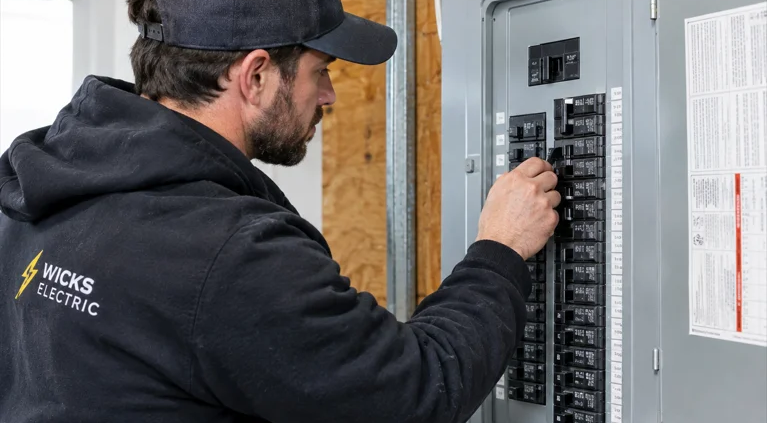
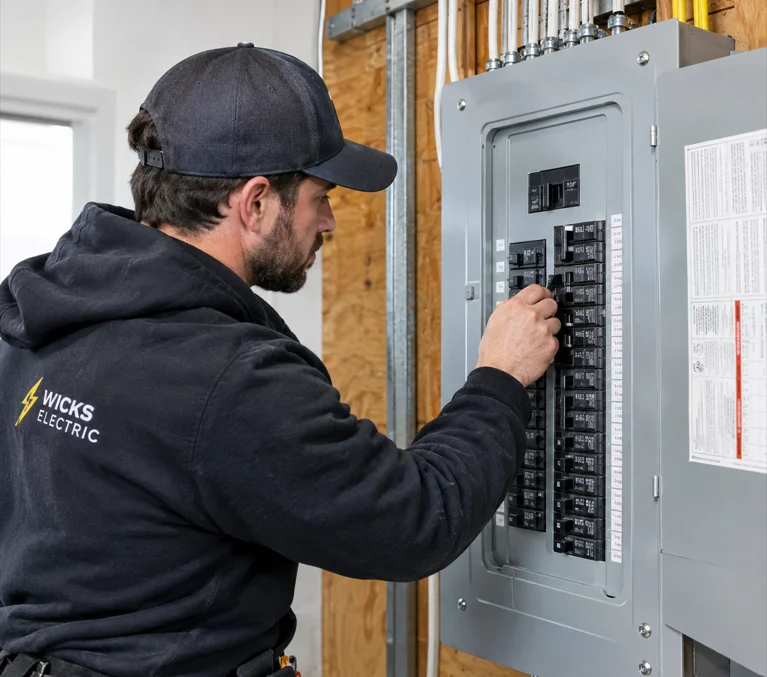
A breaker function test is a hands on inspection that checks whether your circuit breakers are operating properly.
Simply looking at a breaker is not enough to determine whether it will respond correctly during an electrical fault. A breaker may appear perfectly normal while having an internal problem.
During a professional inspection, our licensed electricians check the operation of the breakers and look for signs that a breaker may be loose, damaged, sticky, or unresponsive.
The goal is simple: make sure your electrical protection is working when you need it most.
What We Check During a Breaker Function Test
Standard Breaker Operation
Each breaker can be manually tested to confirm that it trips and resets properly.
If a breaker feels loose, does not reset correctly, or behaves unusually, it may require further investigation. These signs should not be ignored because a malfunctioning breaker may not provide the protection your electrical system needs.
GFCI Breaker Protection
GFCI protection is especially important in areas where electricity and moisture may come into contact.
Bathrooms, kitchens, garages, and outdoor areas commonly require GFCI protection because these locations can present a greater risk of electric shock.
Our electricians check GFCI protection to make sure it responds properly when a ground fault occurs.
AFCI Breaker Testing
AFCI, or Arc Fault Circuit Interrupter, protection is designed to help reduce the risk of electrical fires caused by dangerous electrical arcing.
Arc faults can occur because of damaged wiring, loose connections, or other electrical problems. AFCI breakers are designed to detect these dangerous conditions and interrupt the circuit.
Testing helps confirm that the AFCI protection is functioning properly.
Infrared Thermal Scanning
When available, infrared thermal scanning can provide another layer of information during an electrical inspection.
An infrared camera can help identify unusual heat patterns inside an electrical panel. Excessive heat may indicate an overloaded circuit, poor connection, or a component that requires further investigation.
This type of diagnostic technology can help identify problems that may not be visible during a standard visual inspection.
What Can Happen When a Breaker Does Not Work Properly?
Circuit breakers are there to interrupt power when an unsafe electrical condition occurs.
If a breaker fails to operate properly, the consequences can be serious. Potential problems can include:
• Overheated wiring
• Increased risk of electrical fires
• Damage to appliances and electronics
• Electrical shock hazards
• Unexpected power failures
• Loss of important electrical protection
Many electrical problems develop quietly over time. That is why waiting until a breaker completely fails is not the best approach to electrical safety.
Signs Your Electrical Panel May Need an Inspection
You should consider having your electrical system professionally inspected if you have noticed:
• Frequent breaker trips
• Flickering or dimming lights
• Buzzing or unusual sounds from the electrical panel
• Breakers that feel loose or unusual
• Repeated electrical problems in the same area
• An older electrical panel that has not been inspected recently
Even if everything appears to be working normally, regular electrical inspections can help identify issues before they become more expensive or dangerous.
Why Choose Wicks Electric?
At Wicks Electric, we believe electrical service should be about more than fixing a problem after something goes wrong.
Our goal is to help homeowners and businesses understand the condition of their electrical systems and identify potential problems early.
When you book a 20 Point Electrical Safety Inspection, our licensed and insured electricians can perform a thorough assessment and provide clear information about what we find.
We focus on:
• Honest recommendations
• Professional electrical testing
• Clear reporting and documentation
• Advanced diagnostic equipment when available
• Reliable, high quality workmanship
We do not believe in unnecessary upselling. If we find an issue, we explain what it is, why it matters, and what options are available.
Do Not Wait Until a Breaker Fails
Your circuit breakers are an important part of your electrical safety system, but simply having breakers installed does not guarantee that they will work properly when needed.
A professional breaker function test can help identify potential problems and give you greater confidence in the safety and reliability of your electrical system.
If you have noticed flickering lights, frequent breaker trips, unusual panel sounds, or if your electrical panel has not been inspected in years, it may be time for a professional electrical safety inspection.
Schedule Your 20 Point Electrical Safety Inspection
Let the experienced team at Wicks Electric inspect your electrical system and help identify potential safety concerns before they become major problems.
Book your 20 Point Electrical Safety Inspection with Wicks Electric today.
Visit wickselectric.ca to learn more about our electrical safety inspections and services throughout Vancouver and the Lower Mainland.
Buying an Older Home in Vancouver? What to Know About the Electrical System
Buying an older home in Vancouver can be exciting. Character, established neighbourhoods, and unique architectural details are often part of the appeal. But before you settle in, there is another important part of the property to understand: the electrical system.
An electrical system that worked well for a home decades ago may not have been designed for the demands of modern living.
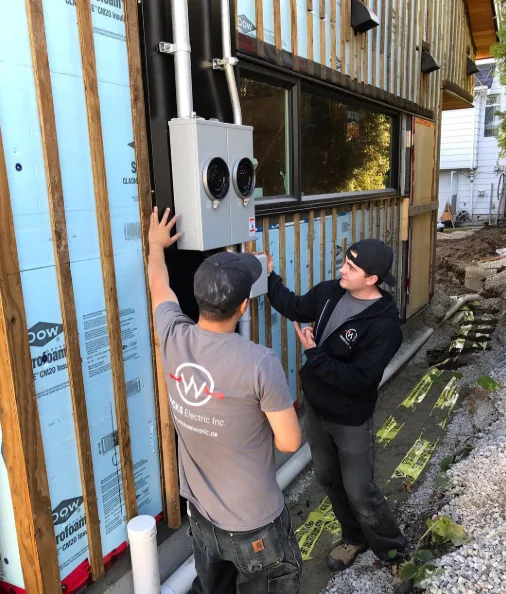
At Wicks Electric, we help homeowners throughout Vancouver and the Lower Mainland understand the condition of their electrical systems and identify areas that may need attention.
Why Older Homes May Need Electrical Updates
Electrical standards, technology, and household demands have changed significantly over the years. An older property may have components that are still functioning but are no longer ideal for today’s electrical needs.
Potential areas to look at include:
- Older electrical panels or equipment
- Aluminum wiring
- Outdated or damaged wiring
- Insufficient electrical capacity
- Missing or inadequate protection in certain areas
- Older outlets, switches, or fixtures
- Grounding and bonding concerns
- Circuits that may not be suited to modern appliances
Not every older home requires a major upgrade. The important first step is understanding what you actually have.
Signs Your New Home May Need Electrical Attention
Some electrical concerns are easy to notice. Others may not be visible without a professional assessment.
Watch for:
Frequent Breaker Trips
Repeatedly tripping breakers can indicate that a circuit is being overloaded or that there may be another electrical issue that needs investigation.
Flickering Lights
Lights that flicker, dim unexpectedly, or behave inconsistently should not simply be ignored.
Limited Outlets
Older homes were built when households used far fewer electronic devices. If you constantly rely on extension cords or power bars, your electrical system may need to be evaluated.
Older Wiring
The age and condition of wiring can be important factors when purchasing an older property. Certain older wiring systems may require professional evaluation and, depending on their condition, upgrades.
An Older Electrical Panel
The panel is a central part of your home’s electrical system. Its condition and available capacity should be considered when planning for modern appliances, renovations, EV charging, or other major electrical loads.
Think Beyond the First Year
When purchasing a home, it is easy to focus on what you need today. But your electrical needs may change after you move in.
You may eventually want to add:
- An EV charger
- A heat pump
- New appliances
- Additional lighting
- A home office
- A hot tub
- Smart home technology
- Backup power
Understanding your home’s electrical capacity early can help you plan these improvements more effectively.
What Should New Homeowners Do?
If you are purchasing an older home, consider having the electrical system professionally evaluated as part of your overall property planning.
An electrician can help identify visible concerns, evaluate important components, and explain where improvements may be appropriate.
The goal isn’t to upgrade everything simply because a home is older. It’s to understand the system, prioritize genuine concerns, and make informed decisions.
Why Choose Wicks Electric?
Wicks Electric provides residential electrical services throughout Vancouver and the Lower Mainland. Our team works with homeowners on electrical inspections, upgrades, renovations, EV charging, lighting, and other projects.
We believe homeowners should understand their electrical systems and have clear information before deciding what work is actually needed.
Let Wicks Electric Take a Look
Just bought an older home or considering purchasing one? Wicks Electric can help you understand the condition of the electrical system and identify potential areas for improvement.
Contact Wicks Electric today to discuss your home’s electrical needs.
📞 604-765-8439
📧 info@wickselectric.ca
🌐 www.wickselectric.ca
Wicks Electric
Lighting the Way
Helping Vancouver Homeowners Understand and Improve Older Electrical Systems.
Electrical Load Calculation: Why Your Home or Business May Need More Power
Modern homes and businesses rely on more electrical equipment than ever. From EV chargers and heat pumps to commercial equipment, appliances, lighting, and technology, electrical demand can add up quickly.
But how do you know whether your existing electrical system can safely handle everything you want to add?
That is where an electrical load calculation comes in.
At Wicks Electric, we help homeowners, builders, and businesses throughout Vancouver and the Lower Mainland evaluate their electrical needs and plan systems that can safely support both current and future demands.
What Is an Electrical Load Calculation?
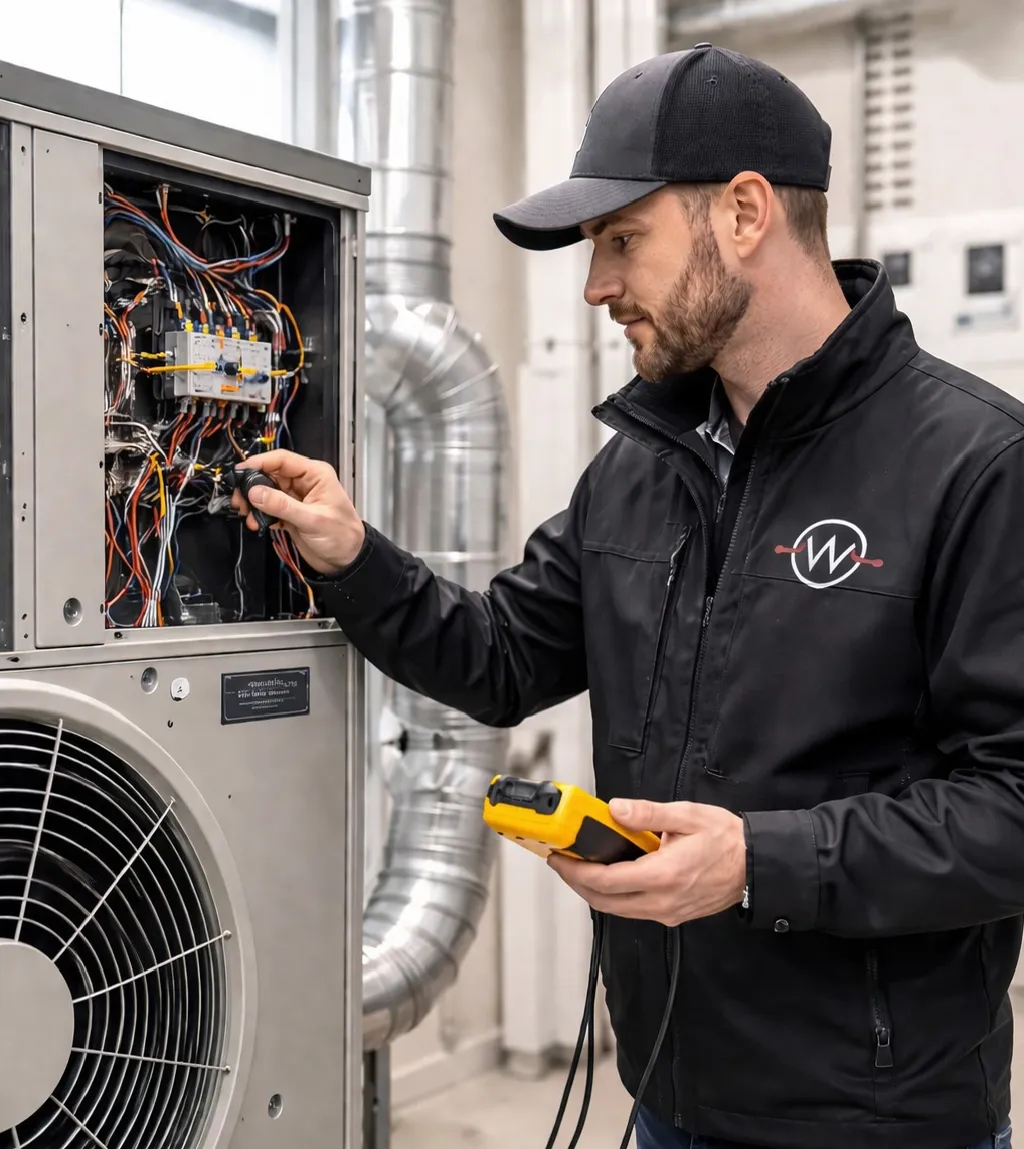
An electrical load calculation is an assessment of how much electrical power a property is expected to use.
Rather than simply looking at how many outlets or circuits a building has, an electrician considers the electrical equipment and systems that may operate at the same time.
Depending on the property, this may include:
- Heating and cooling equipment
- Kitchen appliances
- Electric dryers and ranges
- EV charging equipment
- Hot tubs and other high-demand equipment
- Lighting systems
- Commercial machinery
- Computers and office equipment
- Specialized business equipment
The goal is to understand whether the existing electrical service has enough capacity for the property’s actual needs.
When Should You Consider a Load Assessment?
You may want to have your electrical capacity evaluated before adding major electrical equipment or making significant changes to a property.
Common situations include:
Installing an EV Charger
A Level 2 EV charger can add significant electrical demand to a home. Before installation, evaluating the existing electrical capacity can help determine whether the current system can accommodate the charger or whether an upgrade may be required.
Adding a Heat Pump or Other Major Equipment
Modern heating and cooling systems can change a property’s electrical demand. Planning for new equipment before installation can help avoid unexpected electrical limitations.
Renovating or Expanding
A renovation may add new appliances, lighting, outlets, heating systems, or additional living space. Evaluating electrical capacity early can help ensure the electrical system is planned around the completed project.
Growing a Commercial Operation
Businesses often add equipment as they grow. New machinery, refrigeration, computers, lighting, HVAC systems, or production equipment can increase electrical demand significantly.
A load assessment can help identify whether the existing electrical infrastructure is suitable for the business’s next stage.
Why Adding Equipment Without Checking Capacity Can Be a Problem
It can be tempting to assume that if there is space in an electrical panel, there is enough power available.
That isn’t necessarily the case.
A panel may have available breaker spaces while the property’s overall electrical service still has limited capacity.
Adding significant electrical loads without properly evaluating the system can result in overloaded circuits, nuisance breaker trips, operational problems, or the need for unexpected upgrades later.
Proper planning helps ensure new equipment is integrated safely and appropriately.
Load Calculation vs. Panel Upgrade
These two things are related, but they are not the same.
A load calculation evaluates the property’s electrical demand and capacity.
A panel or service upgrade is one possible solution if the existing system cannot safely support the planned electrical load.
Depending on the results, the right solution could involve:
- Adding a dedicated circuit
- Redistributing electrical loads
- Installing a sub-panel
- Upgrading the electrical panel
- Increasing the electrical service capacity
- Planning equipment operation more efficiently
The appropriate solution depends on the property’s existing electrical infrastructure and the equipment being added.
Plan Electrical Capacity Before You Need It
One of the best times to evaluate electrical capacity is before starting a major project.
If you’re planning a renovation, installing an EV charger, adding major equipment, expanding a business, or building a new property, discussing electrical requirements early can help prevent surprises later.
It also gives your electrician an opportunity to consider future needs instead of designing only around today’s requirements.
Why Choose Wicks Electric?
Wicks Electric provides professional residential and commercial electrical services throughout Vancouver and the Lower Mainland.
Our team works with homeowners, builders, developers, property managers, and businesses to provide practical electrical solutions based on the actual needs of the property.
Whether you’re adding one major electrical load or planning a larger project, we can help evaluate your requirements and determine the right approach.
Let Wicks Electric Take a Look
Not sure whether your existing electrical system can handle your next project?
Wicks Electric can assess your electrical requirements and help you understand whether your current system has the capacity for the equipment you are planning to add.
Contact Wicks Electric today to discuss your electrical load requirements and plan your next project with confidence.
📞 604-765-8439
📧 info@wickselectric.ca
🌐 www.wickselectric.ca
Wicks Electric
Lighting the Way
Professional Electrical Load Assessments and Electrical Solutions Across Vancouver and the Lower Mainland.
Commercial Generator Installation: Protect Your Business From Unexpected Power Loss
A power outage can affect far more than the lights in a commercial building. Depending on your business, an interruption can stop equipment, disrupt communications, affect security systems, interrupt customer service, and create expensive downtime.
For businesses that depend on continuous or dependable electrical power, a commercial generator can provide an important layer of protection.
Wicks Electric provides commercial generator services for businesses throughout Vancouver and the Lower Mainland, helping property owners and operators develop backup power solutions suited to their electrical requirements.
What Happens When Your Business Loses Power?
Every business responds differently to an outage.
An office may suddenly lose access to computers, networking equipment, and essential systems. A retail business can experience interruptions at checkout and security systems. Restaurants may have concerns involving refrigeration and kitchen equipment, while industrial operations can face much more significant disruptions.
The longer an outage continues, the greater the potential impact can become.
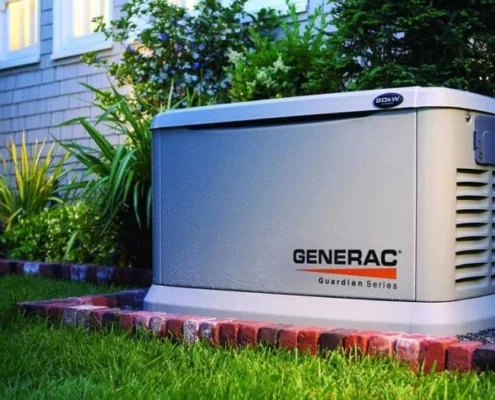
A properly planned standby generator gives your business another source of electrical power when utility service is interrupted.
Choosing the Right Commercial Generator
A generator isn’t something you should choose based only on its physical size or advertised output.
The system needs to match the electrical requirements of the property and the equipment you want to keep operating.
Before installation, a proper assessment can help determine:
- Which systems require backup power
- How much electrical load those systems require
- Whether existing electrical equipment can support the installation
- What generator capacity is appropriate
- Where the generator and related equipment can be installed
- What type of fuel source is suitable
Taking the time to evaluate these factors helps create a backup power system that is practical for the property rather than simply installing a generator that may not meet the actual requirements.
Automatic Backup Without Manual Switching
One of the major advantages of a permanently installed commercial standby generator is automatic operation.
An Automatic Transfer Switch (ATS) can detect an interruption in utility power and transfer the appropriate electrical load to the generator.
When utility power is restored, the system can transfer the load back.
This means employees don’t have to manually connect equipment or start a portable generator during an outage.
For businesses, that automatic response can be particularly valuable when power interruptions occur outside normal operating hours.
Natural Gas, Propane, or Diesel?
Commercial generators can use different fuel sources, and the right choice depends on the property, generator requirements, and installation circumstances.
Wicks Electric works with systems using natural gas, propane, and diesel, helping businesses consider the practical requirements of their site.
The goal isn’t simply to install a generator. It’s to develop a system that makes sense for the building and the business relying on it.
Backup Power Is About More Than Convenience
A commercial generator can support important systems during an outage.
Depending on the installation, backup power may be used for selected lighting, communications, refrigeration, security equipment, business systems, or other essential electrical loads.
Determining what should remain operational during an outage is an important part of generator planning.
Rather than attempting to power everything without consideration, businesses can identify their priority loads and develop a system around those requirements.
Generator Installation Requires Careful Electrical Integration
A commercial generator needs to work properly with the building’s existing electrical infrastructure.
That means installation involves more than placing the generator outside and connecting a few wires.
Electrical integration may involve the transfer switch, panels, circuits, grounding, load requirements, and other components of the building’s electrical system.
Proper planning and installation help ensure the backup system operates as intended when utility power is unavailable.
Consider Generator Location Carefully
Commercial generator placement can affect both the installation and the ongoing operation of the system.
Available space, accessibility, electrical connections, fuel requirements, and the building’s layout all need to be considered.
The generator should be positioned as part of an overall system design rather than treated as an isolated piece of equipment.
A well-planned installation can also make future service and maintenance more practical.
Testing and Commissioning Matter
Installing the equipment is only part of the project.
A commercial generator should be tested to confirm that the system responds properly and that the electrical components work together as intended.
Commissioning gives the business and property team an opportunity to understand how the system operates before an actual emergency occurs.
It’s much better to discover a problem during planned testing than during an unexpected outage.
Don’t Forget Ongoing Generator Maintenance
A backup generator is equipment that may sit unused for long periods and then suddenly be expected to perform.
Regular maintenance can help keep the system ready.
Depending on the generator and installation, ongoing service may include inspections, testing, troubleshooting, and other maintenance requirements.
For businesses that depend heavily on backup power, having a maintenance plan can be an important part of protecting the investment.
Commercial Generators for Different Businesses
Backup power requirements can vary considerably from one commercial property to another.
Wicks Electric works with businesses and property teams across Vancouver and the Lower Mainland, including environments such as:
- Offices
- Retail locations
- Restaurants
- Warehouses
- Healthcare facilities
- Industrial properties
- Commercial developments
The right solution depends on the building and the electrical loads that need to remain operational.
Plan Before the Next Outage
The worst time to start thinking about backup power is after your business has already lost electricity.
If your business depends on electrical equipment, technology, refrigeration, security, or other essential systems, planning ahead gives you time to evaluate your options properly.
A commercial generator is an investment in preparedness. With the right design, installation, and ongoing service, your business can be better positioned when an unexpected outage occurs.
Why Businesses Choose Wicks Electric
Wicks Electric provides commercial generator installation and electrical services throughout Vancouver and the Lower Mainland.
Our licensed electricians approach generator projects with careful planning, professional workmanship, and attention to the existing electrical system.
From assessing electrical requirements through installation, testing, and ongoing support, we help businesses understand the process and choose a practical approach to backup power.
Whether you’re preparing a new commercial property or improving backup power at an existing facility, we can help you plan the electrical side of the project properly.
Let Wicks Electric Take a Look
Concerned about how a power outage could affect your business? Our licensed electricians can assess your property’s electrical requirements and help determine whether a commercial generator is the right backup-power solution for your operation—no pressure, no guesswork, just honest professional advice.
Contact Wicks Electric today to discuss your commercial generator needs.
📞 604-765-8439
📧 info@wickselectric.ca
🌐 www.wickselectric.ca
Wicks Electric
Lighting the Way
Reliable Backup Power Solutions for Businesses Across Vancouver and the Lower Mainland.