


Beyond the Outlet: What Your Electrical System May Be Trying to Tell You
By Wicks Electric Inc. – Trusted Electricians in Vancouver, BC
Your electrical outlets are used countless times every day, but they are often one of the most overlooked parts of a home. While an outlet may appear to be a simple device, unusual signs such as warmth, buzzing, discoloration, or intermittent power can indicate problems that deserve immediate attention.
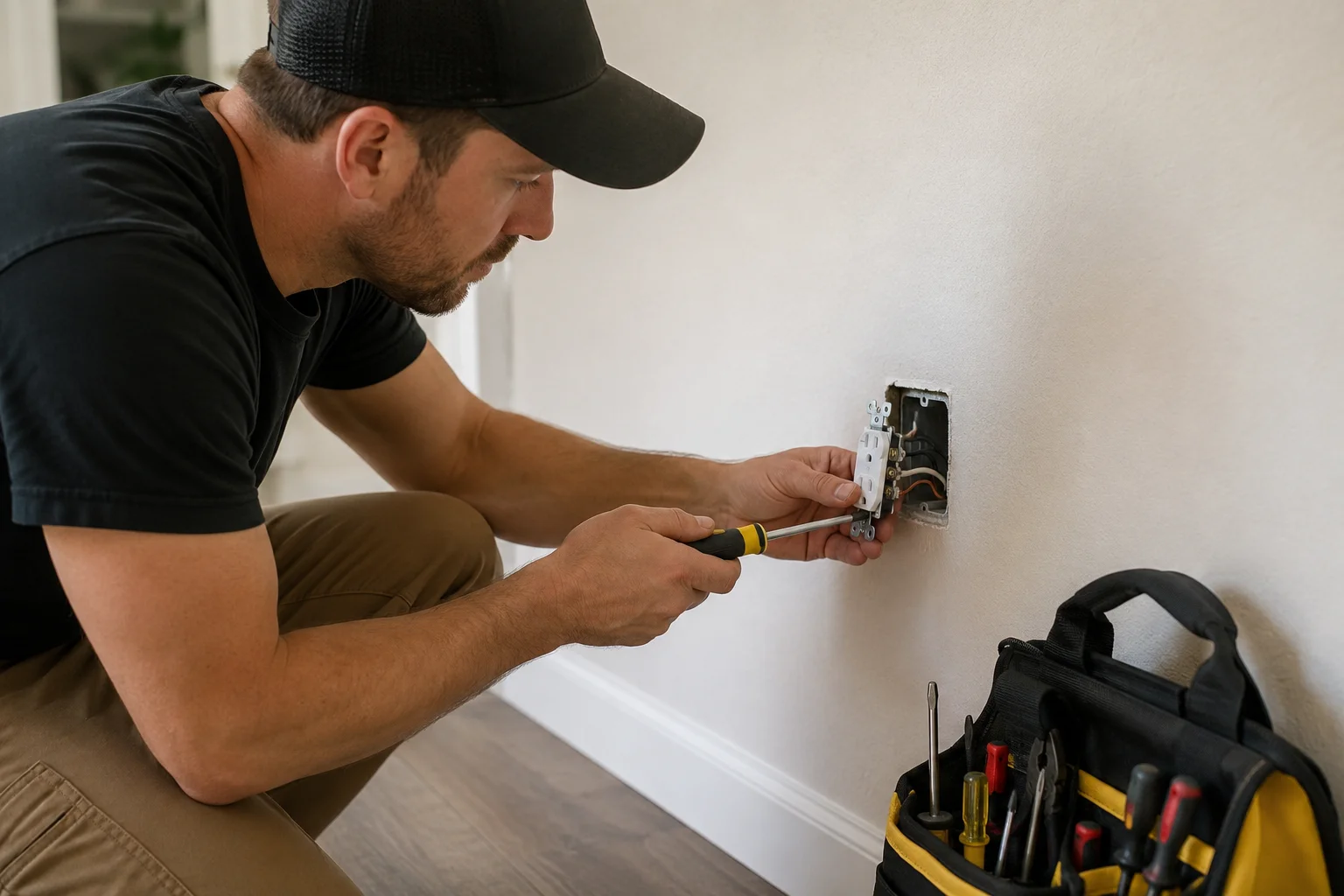
At Wicks Electric Inc., our outlet inspection is an important part of our comprehensive 20-Point Electrical Safety Inspection. We look beyond what is visible to help identify potential electrical concerns before they become expensive or dangerous problems.
Warning Signs You Should Never Ignore
Some electrical problems start with small symptoms that are easy to overlook. During an inspection, our electricians look for signs such as:
📌Discoloration, burn marks, or melting around outlets
📌Loose, cracked, or damaged faceplates
📌Outlets that feel unusually warm
📌Buzzing, popping, or sparking
📌Receptacles that are loose or no longer hold plugs securely
📌Outlets that intermittently lose power
📌Missing or improperly functioning GFCI protection
📌Lack of proper grounding
These symptoms can sometimes point to loose connections, overloaded circuits, damaged wiring, or improperly installed electrical devices.
What Happens Behind the Wall Matters
An outlet problem isn’t always limited to the outlet itself. A loose connection behind the receptacle can create heat over time, while an overloaded circuit may struggle to safely handle the electrical demand placed on it.
Previous renovations or DIY electrical work can also leave behind installations that may not meet current safety requirements.
That is why a professional inspection is more than simply looking at the face of an outlet. Our electricians assess the condition, function, wiring, grounding, and protection of accessible outlets to help identify potential concerns throughout your electrical system.
GFCI Protection Helps Prevent Electrical Shock
Certain areas of your home are exposed to moisture and require additional electrical protection. Kitchens, bathrooms, garages, and outdoor areas are examples where GFCI protection can play an important role.
As part of our inspection, we check applicable GFCI outlets to make sure they are functioning properly. If a GFCI is not operating as it should, it may not provide the protection your household expects when an electrical fault occurs.
A Safer Home Starts With the Details
Electrical safety isn’t always about major warning signs. Sometimes, the smallest details provide the earliest indication that something needs attention.
A damaged receptacle, loose connection, or missing protective device may seem minor today, but identifying the issue early can help reduce the risk of electrical damage, fire hazards, or unexpected outages.
Regular electrical inspections can also give homeowners greater confidence that their electrical system is being maintained properly.
Give Your Electrical System a Professional Check
If your outlets are warm, buzzing, sparking, damaged, or simply haven’t been inspected in years, don’t ignore the warning signs.
Wicks Electric Inc. provides professional electrical inspections throughout Vancouver and the Lower Mainland, with a focus on safety, transparency, and quality workmanship.
Book your 20-Point Electrical Safety Inspection today.
📞 Call: 604-765-8439
🌐 Visit: www.wickselectric.ca
📧 Email: info@wickselectric.ca
Wicks Electric Inc.
Trusted. Licensed. Reliable.
Your go-to residential electricians in Vancouver for safe, dependable electrical solutions.

Hidden Electrical Problems: Why Older Wiring Can Turn a Simple Renovation Into a Complex Project
By Wicks Electric Inc. – Vancouver’s Trusted Electrical Experts
When homeowners plan a renovation, they often expect the electrical portion of the project to be straightforward. New lights, updated switches, additional outlets, or a bathroom upgrade can seem like simple improvements on the surface. However, once walls are opened and wiring is exposed, unexpected conditions are sometimes uncovered that can significantly impact both the scope and timeline of a project.
At Wicks Electric, we regularly work in older Vancouver homes where previous renovations, aging wiring methods, and hidden construction details can create challenges that aren’t visible during an initial walkthrough.
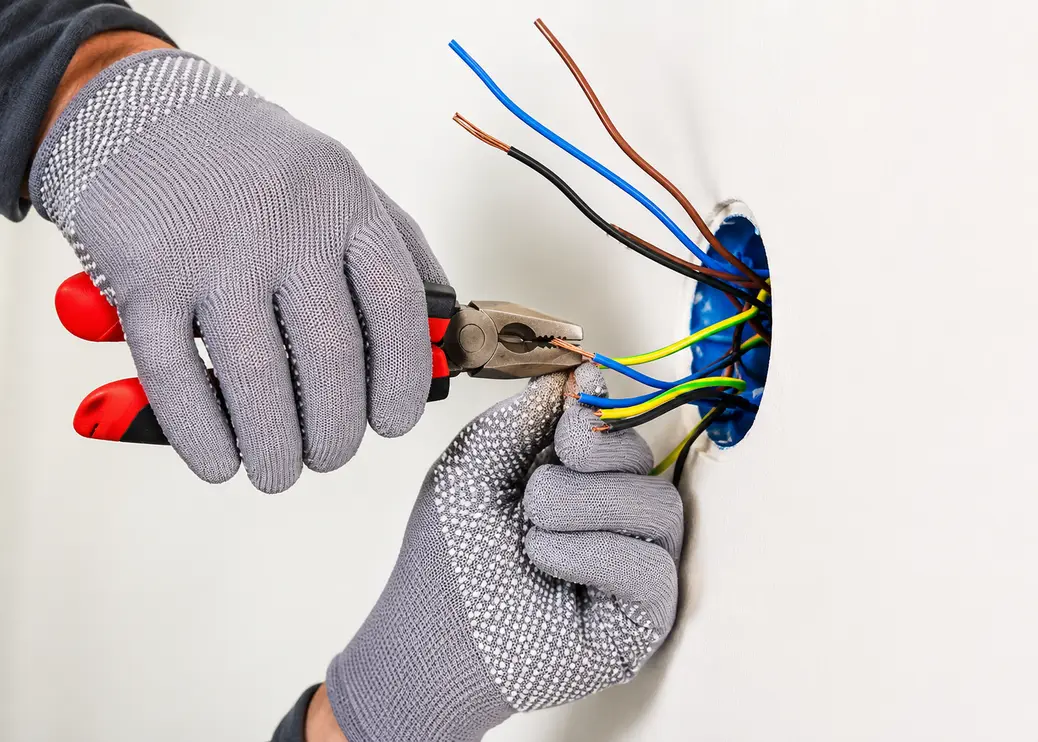
What Happens When Existing Wiring Isn’t What It Appears to Be?
One of the most common surprises we encounter is discovering that wall construction differs from what was originally expected.
For example, a wall that appears to be standard drywall may actually have layers of plaster behind it. While this may not seem significant, it dramatically changes how electricians access wall cavities and route new wiring. Running cables through plaster-backed walls requires additional drilling, specialized techniques, and considerably more time to avoid unnecessary damage to finished surfaces.
What initially appears to be a simple wire run can quickly become a much more detailed installation.
Correcting Existing Electrical Deficiencies
Another challenge often arises when existing wiring has been modified over the years by previous contractors or homeowners.
During renovations, electricians may uncover:
- Incorrect switch wiring
- Improper circuit configurations
- Outdated electrical methods
- Wiring that no longer meets current electrical code requirements
- Hidden junctions or undocumented modifications
Before new devices or fixtures can be installed, these issues must be corrected to ensure the system is safe, reliable, and compliant with today’s electrical standards.
While these repairs may not have been part of the original scope, addressing them properly helps prevent future electrical failures and safety concerns.
Why Drilling and Wire Routing Take So Much Time
Many homeowners are surprised to learn that drilling and cable routing often consume a significant portion of labour hours on renovation projects.
When electricians need to run new circuits through existing finished walls and ceilings, they must carefully navigate around:
- Structural framing
- Fire blocking
- Plumbing lines
- HVAC components
- Existing electrical systems
In older homes, these obstacles are rarely visible until work begins.
Each hole must be strategically placed to allow wiring access while minimizing damage to finished surfaces. This process requires patience, precision, and often multiple access points throughout the home.
Safety and Code Compliance Come First
Although unexpected site conditions can extend a project’s duration, they are often necessary discoveries that allow underlying issues to be corrected properly.
At Wicks Electric, our priority is always to deliver a safe, code-compliant installation that will perform reliably for years to come. Taking the time to correct hidden wiring issues today can prevent costly repairs, electrical hazards, and future renovation complications down the road.
Planning for Older Homes
If your home was built several decades ago, it’s important to understand that hidden conditions may not become apparent until work is underway. This is particularly common in homes that have undergone multiple renovations throughout their history.
Working with experienced electricians who understand older construction methods can help ensure these challenges are identified and resolved professionally.
Need Electrical Renovation Work in Vancouver?
Whether you’re upgrading a bathroom, renovating your home, installing new lighting, or correcting older wiring, Wicks Electric has the experience to safely navigate the unexpected.
Our licensed electricians provide professional electrical renovations, troubleshooting, rewiring, and safety inspections throughout Vancouver and the Lower Mainland.
Contact Wicks Electric today to schedule your consultation and discover why we’re one of Vancouver’s highest-rated electrical contractors.
7 Electrical Mistakes to Avoid During a Home Renovation
A home renovation is exciting. New flooring, updated cabinets, fresh paint, better layouts, and more functional spaces can completely change the way your home feels.
But while most homeowners spend plenty of time planning what they can see, the electrical work behind the walls can sometimes receive less attention.
That can be a costly mistake.
A renovation is one of the best opportunities to improve your home’s electrical system because walls may already be open and access is much easier. With the right planning, you can address outdated electrical components, improve functionality, and prepare your home for the way you actually live.
Whether you’re renovating a kitchen, bathroom, basement, condo, or entire house, here are seven electrical mistakes worth avoiding.
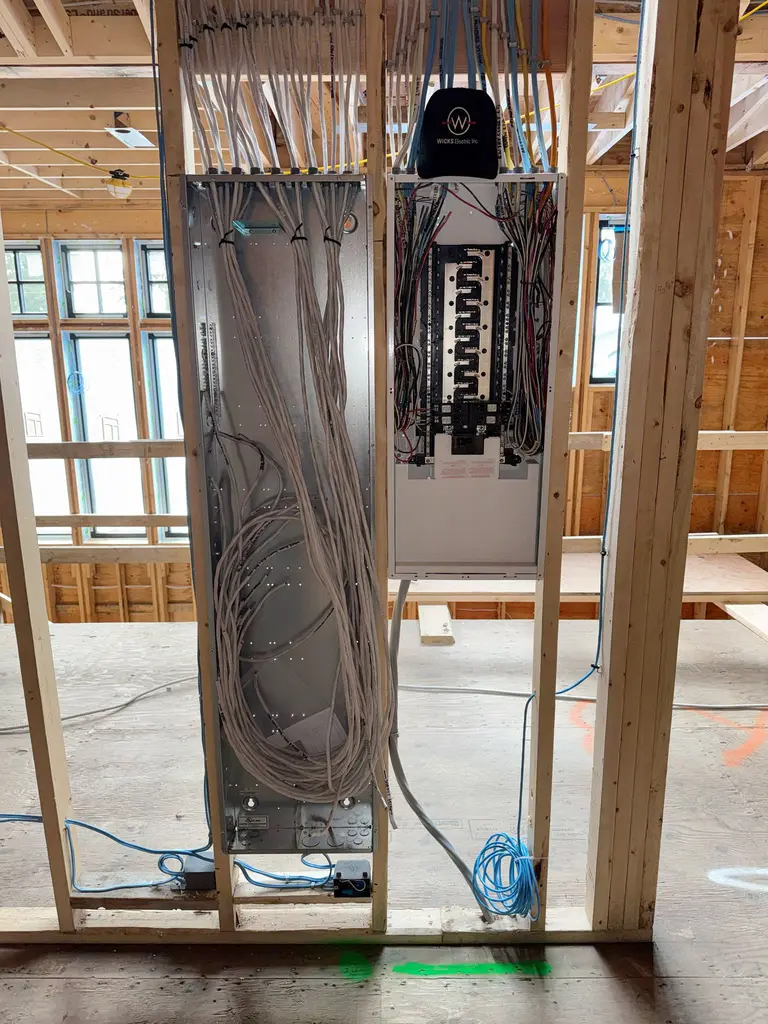
1. Waiting Until the Renovation Is Already Underway
One of the most common mistakes is bringing in an electrician after the renovation plans have already been finalized.
Electrical work affects much more than outlets and light switches. The location of walls, cabinets, appliances, ceilings, and other fixtures can all influence where electrical components need to go.
Getting your electrician involved early gives you an opportunity to review the plan before construction begins.
This can help identify:
- Where new outlets should be located
- Where lighting should be installed
- Whether existing wiring is suitable
- Whether additional electrical capacity is needed
- Which areas may require dedicated circuits
- What work may require permits or inspections
Early planning can prevent unnecessary changes once construction is underway.
2. Designing the Room Without Thinking About How You’ll Use It
A beautiful renovation isn’t necessarily a functional one.
Before deciding where electrical outlets and switches should go, think about how you’ll actually use the room.
For example, a renovated kitchen may need power for more than the major appliances. You may also use small appliances, coffee machines, countertop devices, charging stations, and other equipment every day.
A home office may require convenient power and data connections around a desk.
A renovated entertainment area may need power for televisions, speakers, gaming equipment, and other devices.
Your electrical layout should support the way you live—not simply the way the room looks on a floor plan.
3. Assuming Existing Wiring Is Good Enough
If you’re renovating an older home, it’s important not to assume that the existing electrical system is suitable simply because it is still working.
Electrical components can age, and older homes may have wiring, connections, or equipment that no longer suit modern usage.
Opening walls during a renovation can provide a valuable opportunity to have accessible electrical components evaluated.
Depending on the property, an electrician may identify areas that require updating, correction, or replacement before the renovation is complete.
Addressing these issues while the walls are already open can be much more practical than discovering them after everything has been finished.
4. Forgetting About Future Technology
A renovation isn’t just about what your home needs today.
Think about what you may want to add in the next several years.
You might eventually want:
- Smart home controls
- Additional technology in a home office
- New appliances
- An electric vehicle charger
- Improved outdoor electrical access
- Additional entertainment equipment
- Energy-related upgrades
You don’t necessarily need to install every future feature during the renovation.
However, discussing potential upgrades with your electrician can help determine whether it makes sense to prepare the electrical system now.
Planning ahead can provide flexibility and reduce the need to open finished walls later.
5. Treating Lighting as an Afterthought
Lighting can completely change the appearance and functionality of a renovated room.
Yet it is sometimes left until the final stages of construction.
Think about lighting during the design phase rather than waiting until the end.
Consider how the room will be used at different times of day and whether you need general, focused, or accent lighting.
A kitchen, for example, may need effective illumination across work surfaces, while a bedroom may benefit from more flexible and comfortable lighting.
The placement of switches should also make sense for how people enter and move through the space.
Good electrical planning allows the lighting design to become part of the renovation rather than an afterthought.
6. Focusing Only on the Visible Finish
A renovation can look perfect on the surface while important electrical work behind the walls has been overlooked.
New cabinets and beautiful finishes don’t solve electrical problems that may be hidden underneath.
Before walls are closed, it’s worth making sure the electrical work has been properly planned and completed.
This includes considering wiring routes, connections, outlets, switches, fixtures, and other components affected by the renovation.
Professional electrical work should be completed with safety, organization, and long-term reliability in mind—not simply to get the walls closed as quickly as possible.
7. Choosing an Electrician Too Late
Renovation projects often involve several trades working on the same property.
Your electrician may need to coordinate with contractors, designers, plumbers, HVAC professionals, and other trades to keep everything moving efficiently.
Waiting until the last minute can create scheduling problems and make coordination more difficult.
Choosing your electrical contractor early gives everyone a clearer understanding of the electrical scope and helps ensure the work fits into the overall renovation schedule.
A good electrician should be able to communicate clearly, explain what needs to be done, and work respectfully within your home and renovation timeline.
Renovation Is the Perfect Time to Think Beyond the Walls
One of the biggest advantages of renovating is access.
When walls, ceilings, floors, or cabinets are being opened or removed, electrical work that would otherwise be disruptive can sometimes be completed more efficiently.
That makes renovation an ideal time to consider whether your home’s electrical system is keeping up with your lifestyle.
You don’t need to upgrade everything simply because you’re renovating.
Instead, focus on making practical improvements that provide genuine value.
That could mean relocating an inconvenient outlet, improving the electrical layout of a room, preparing for future technology, or addressing older electrical components that are no longer appropriate for the home.
What Should You Discuss With Your Electrician Before Renovating?
Before work begins, have a conversation about your renovation plans and how you expect to use the finished space.
Useful questions include:
- Is my existing electrical system suitable for this renovation?
- Are there areas of the wiring that should be updated?
- Do I need additional circuits?
- Where should outlets and switches be placed?
- What lighting will work best for the room?
- Are there future upgrades I should prepare for?
- Will any electrical work require permits or inspections?
Getting answers early can make the renovation process much smoother.
Why Work With Wicks Electric?
At Wicks Electric, we understand that electrical work is only one part of a much larger renovation project.
Our licensed electricians work with homeowners, contractors, and other professionals throughout Vancouver and the Lower Mainland to provide practical electrical solutions that fit the project.
We take the time to understand the renovation, review the electrical requirements, and complete the work with attention to safety, organization, and long-term performance.
Whether you’re updating one room or making major changes throughout your home, proper electrical planning can make a significant difference in the finished result.
Make Your Renovation Work Better for You
A successful renovation isn’t just about creating a home that looks better.
It’s about creating a home that works better.
Your electrical system plays an important role in that.
By planning early, thinking about how you’ll use each space, addressing existing electrical concerns, and considering future needs, you can avoid common mistakes and create a more functional home for years to come.
Let Wicks Electric Take a Look
Planning a renovation? Our licensed electricians can review your electrical plans, assess the existing system, and help you determine what should be addressed before the walls are closed—no pressure, no guesswork, just honest professional advice.
Contact Wicks Electric today to schedule your Electrical Safety Inspection.
📞 604-765-8439
📧 info@wickselectric.ca
🌐 www.wickselectric.ca
Wicks Electric
Lighting the Way
Electrical Expertise for Homes That Work Better, Look Better, and Last.
How Outdoor Lighting Can Make Your Home Safer, More Comfortable, and More Inviting
When homeowners think about improving their property, outdoor lighting isn’t always at the top of the list. But the right exterior lighting can completely change how your home looks and feels after the sun goes down.
A dark driveway, poorly lit walkway, or shadowed entrance can make getting around your property uncomfortable and difficult. On the other hand, thoughtfully placed outdoor lighting can improve visibility, highlight your home’s best features, and make outdoor spaces more enjoyable throughout the year.
For homeowners in Vancouver and the Lower Mainland, outdoor lighting can be both a practical improvement and a simple way to make better use of your property after dark.

Your Outdoor Space Shouldn’t Disappear at Night
Your yard, driveway, deck, and entrance are all part of your home. But without proper lighting, many of these areas become difficult to use once the sun goes down.
Outdoor lighting can help bring these spaces back to life.
Depending on your property and how you use it, you may benefit from lighting around:
- Front entrances
- Driveways
- Walkways and pathways
- Garages
- Decks and patios
- Stairs and steps
- Backyards
- Gardens and landscaping
- Fences and gates
- Outdoor entertaining areas
The goal isn’t to make everything excessively bright. Good outdoor lighting is about placing the right amount of light in the right locations.
Improve Visibility Around Your Property
One of the biggest benefits of exterior lighting is simply being able to see where you’re going.
A well-lit walkway makes it easier to identify steps, uneven surfaces, changes in elevation, and obstacles. Lighting near entrances can also make it easier to find your keys, unlock the door, or safely welcome guests after dark.
For families, older homeowners, and anyone who regularly arrives home late, this added visibility can make a noticeable difference.
Make Your Entryway More Welcoming
Your front entrance is one of the first things people see when they visit your home.
Lighting can create a warm and welcoming entrance while providing practical illumination around your front door.
Wall-mounted fixtures, pathway lighting, and carefully positioned accent lights can work together to create a more polished appearance without making the space feel overly bright.
The best results usually come from layering different types of lighting rather than relying on one extremely bright fixture.
Add More Usability to Outdoor Living Areas
Outdoor spaces aren’t just for daytime use.
If you enjoy having dinner on your patio, relaxing on your deck, entertaining friends, or spending time in your backyard, appropriate lighting can extend the amount of time you can comfortably use these spaces.
Different areas may require different types of illumination.
For example:
A patio may benefit from softer ambient lighting.
Outdoor stairs need clear visibility around each step.
A dining area may benefit from focused lighting above the table.
A deck can use subtle accent lighting around the perimeter.
A backyard pathway may benefit from low-level lighting to guide movement through the space.
The result is an outdoor environment that feels like a natural extension of your home.
Lighting Can Also Support Home Security
Outdoor lighting can play a useful role in your home’s overall security strategy.
Dark areas around entrances, garages, side passages, and other parts of the property can make it difficult to see what’s happening outside.
Strategically placed lighting can improve visibility around these areas, particularly when combined with motion sensors or other security features.
Motion-activated lights can be especially useful around:
- Garage doors
- Side entrances
- Driveways
- Backyard access points
- Walkways
- Storage areas
The objective isn’t to flood your entire property with light. Instead, targeted illumination can provide visibility where it matters most.
Don’t Forget Your Driveway and Walkways
Driveways and pathways are some of the most important areas to consider when planning exterior lighting.
A driveway light can help you safely navigate your property when arriving home at night, while pathway lighting can create a clear route from your driveway to your front entrance.
If your property includes stairs or changes in elevation, lighting becomes even more important.
These areas should be illuminated clearly enough to identify changes in the walking surface without creating unnecessary glare.
Highlight Your Home’s Best Features
Outdoor lighting doesn’t have to be purely functional.
It can also be used to highlight architectural details, landscaping, trees, garden features, fences, and other elements of your property.
Accent lighting can draw attention to:
- Stonework
- Architectural features
- Trees
- Garden beds
- Water features
- Retaining walls
- Outdoor structures
When positioned correctly, lighting can add depth and character to your property after dark.
Instead of seeing a completely different house at night, you’ll see the same home presented in a new way.
Think About Light Placement, Not Just Light Fixtures
Choosing an attractive fixture is only part of the process.
Where the light is positioned can be just as important as the fixture itself.
Poorly positioned lights can create:
- Harsh glare
- Unwanted shadows
- Uneven illumination
- Light shining directly into windows
- Areas that remain unexpectedly dark
Professional planning helps determine where lighting should go, how it should be directed, and how different fixtures can work together.
The goal is balanced illumination that feels natural rather than excessive.
Consider Controls That Fit Your Routine
Outdoor lighting doesn’t necessarily need to be switched on and off manually every night.
Depending on your setup, timers, motion sensors, dimming controls, and smart lighting systems can make exterior lighting much easier to manage.
For example, you may want pathway lights to turn on automatically around sunset, security lighting to activate when movement is detected, or entertaining areas to be controlled from a convenient switch or smart device.
The right control system depends on how you use your home and which areas you want to automate.
Professional Installation Matters
Outdoor electrical installations require careful planning because fixtures and wiring are exposed to changing weather conditions.
Rain, moisture, temperature changes, and other environmental factors all need to be considered when installing exterior electrical equipment.
A licensed electrician can help ensure outdoor lighting is installed properly, with suitable equipment, connections, protection, and wiring methods for the application.
Professional installation also helps create a cleaner finished appearance by keeping wiring organized and minimizing unnecessary visual clutter.
Create an Outdoor Lighting Plan That Fits Your Home
There isn’t one lighting layout that works for every property.
A compact townhouse will have different requirements from a large detached home with a long driveway, multiple entrances, and extensive landscaping.
Your lighting plan should consider:
- The size and layout of your property
- How your family uses outdoor spaces
- Areas that need additional visibility
- Existing electrical infrastructure
- Desired appearance
- Security considerations
- Future outdoor improvements
Starting with a plan makes it easier to create a consistent look instead of adding individual fixtures randomly over time.
Why Choose Wicks Electric?
At Wicks Electric, we understand that residential lighting isn’t simply about installing fixtures. It’s about creating electrical solutions that make your home more comfortable, practical, and enjoyable.
Our licensed electricians can help homeowners throughout Vancouver and the Lower Mainland with outdoor lighting installations, security lighting, landscape lighting, controls, and other residential electrical needs.
We take the time to understand how you use your property before recommending a solution, with an emphasis on clean workmanship, proper installation, and long-term reliability.
Whether you want better visibility along your driveway, improved lighting around your entrance, or a more inviting backyard, the right electrical plan can make a significant difference.
Let Wicks Electric Take a Look
If you’re considering outdoor lighting for your driveway, walkway, entrance, backyard, or entertaining space, our licensed electricians can assess your property, discuss your goals, and recommend practical lighting solutions that fit your home—no pressure, no guesswork, just honest professional advice.
Contact Wicks Electric today to schedule your Electrical Safety Inspection.
📞 604-765-8439
📧 info@wickselectric.ca
🌐 www.wickselectric.ca
Wicks Electric
Lighting the Way
Bringing Safety, Comfort, and Curb Appeal to Your Home After Dark.
100 Amp vs. 200 Amp Electrical Service: Which Is Right for Your Home?
Your electrical panel is easy to ignore because it quietly does its job every day. But as homes get older and household electricity needs change, the amount of power your home can safely handle becomes increasingly important.
If you’re buying an older home, planning major improvements, or simply wondering whether your electrical system can keep up, you may have come across terms like 100 amp service and 200 amp service.
But what do those numbers actually mean, and how do you know which one is right for your home?
Understanding your home’s electrical service capacity can help you make smarter decisions before problems arise or major work begins.
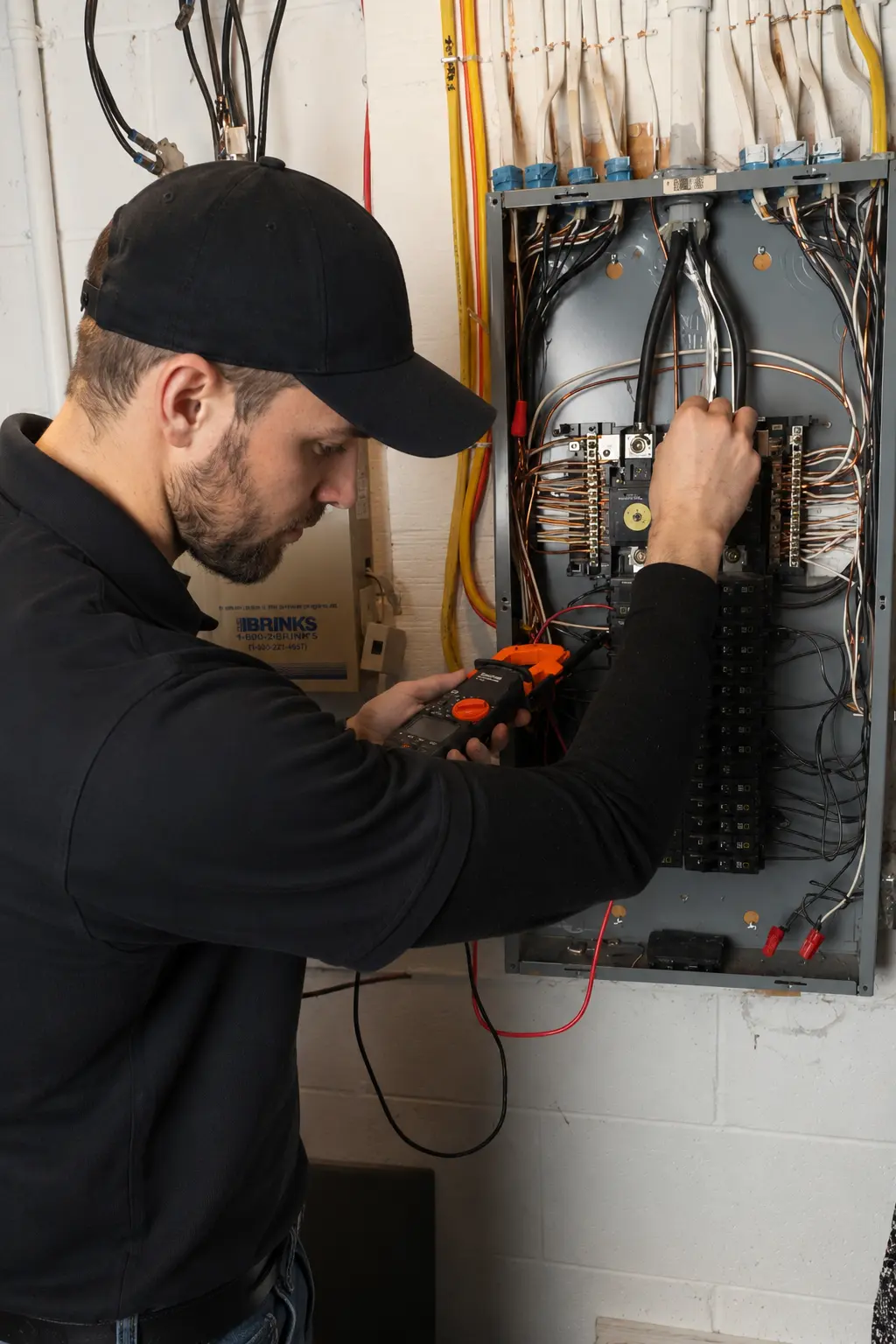
What Does 100 Amp or 200 Amp Service Mean?
The number refers to the maximum electrical current your home’s main electrical service is designed to handle.
A 100 amp service was common in many older homes and may still be perfectly suitable for properties with lower electrical demand.
A 200 amp service provides substantially more capacity and is common in newer homes or properties with higher electrical requirements.
The important thing to remember is that bigger isn’t automatically better. The right service depends on the home’s actual electrical requirements.
A professional assessment helps determine whether your existing service is adequate or whether an upgrade makes sense.
Why Older Homes May Need More Electrical Capacity
Homes built decades ago weren’t designed around the same electrical demands we have today.
A typical household now relies on far more electrical equipment than previous generations did. Modern kitchens, home offices, entertainment systems, heating and cooling equipment, and other electrical appliances can place significantly greater demands on a home’s service.
An older 100 amp system may continue operating normally for years, but that doesn’t necessarily mean it has enough capacity for everything you want to add.
That’s where proper electrical planning becomes important.
How Do You Know If Your Electrical Service Is Undersized?
There isn’t one single sign that automatically means your home needs a service upgrade. However, certain situations can be a reason to have your electrical capacity evaluated.
You may want to speak with a licensed electrician if:
- Your home still has an older electrical service
- You’re planning significant renovations
- You want to add several new electrical appliances
- Your electrical system frequently struggles with increased demand
- You’re purchasing an older property and don’t know its electrical history
- Your current service doesn’t provide the flexibility you need
These situations don’t necessarily mean you need a 200 amp upgrade. They simply indicate that it’s worth having the system properly evaluated.
100 Amp vs. 200 Amp: What’s the Difference?
The biggest difference is available capacity.
A 100 amp service can be suitable for a smaller or less electrically demanding home. However, as electrical usage increases, the available capacity can become more limited.
A 200 amp service provides greater capacity for a home’s overall electrical demand and can give homeowners more flexibility when making future improvements.
That doesn’t mean every homeowner needs to upgrade immediately.
The right decision should be based on your home’s size, existing electrical equipment, calculated load, and plans for the property.
Why Load Calculation Matters
Choosing an electrical service based simply on the size of your home isn’t enough.
A proper load calculation considers the electrical demands throughout the property to determine how much capacity the home actually requires.
This helps prevent two common mistakes:
Underestimating your needs — which can leave you with insufficient capacity.
Overbuilding the system — which may result in an upgrade that isn’t necessary for your home’s actual requirements.
A professional electrical contractor can evaluate the existing system and determine what level of service is appropriate.
What Happens During a Service Upgrade?
A residential service upgrade is more involved than simply replacing the breaker panel.
Depending on the property and the scope of the project, an upgrade may involve changes to the electrical service equipment, panel, breakers, wiring, and related components.
The work also needs to be properly planned and coordinated with applicable permitting and inspection requirements.
This is why service upgrades should be handled by a licensed electrical contractor rather than treated as a simple DIY panel replacement.
Should You Upgrade Before Renovating?
If you’re planning a major renovation, it’s smart to consider your electrical service before construction begins.
A renovation can change how your home uses electricity, particularly when you’re adding new rooms, remodeling major areas, or introducing additional electrical equipment.
Evaluating your service capacity early gives you the opportunity to address electrical requirements before walls are finished and construction is complete.
That can make the overall project more organized and help avoid having to revisit finished areas later.
A Service Upgrade Can Prepare Your Home for Change
One of the biggest benefits of having adequate electrical capacity is flexibility.
Your home’s needs may change over time.
You may renovate, expand your living space, purchase new appliances, create a home office, or make other improvements that increase electrical demand.
Having an appropriately sized electrical service gives you more room to adapt.
The goal isn’t simply to install the largest possible service. It’s to create an electrical system that is properly matched to the home and capable of supporting its intended use.
Don’t Assume Your Home Needs 200 Amps
It’s easy to see “200 amp service” advertised as an upgrade and assume it’s automatically the best choice.
But electrical work should be based on actual requirements—not a one-size-fits-all recommendation.
A professional assessment can determine:
- Your existing service capacity
- Your home’s calculated electrical load
- Whether your current system is adequate
- Whether an upgrade would provide meaningful benefits
- What changes may be required to complete the upgrade
This approach helps homeowners make decisions based on their property rather than assumptions.
Why Professional Electrical Planning Matters
Your electrical service is one of the most important components of your home’s electrical infrastructure.
An improperly sized or poorly installed system can create unnecessary risks and complications.
Working with a licensed electrician ensures the upgrade is properly evaluated, planned, installed, and inspected according to applicable requirements.
At Wicks Electric, we take a practical approach to residential electrical upgrades. We look at the home’s existing system, understand what the homeowner wants to accomplish, and recommend solutions based on the property’s actual electrical needs.
Whether you’re dealing with an older 100 amp service or simply want to understand whether your home would benefit from additional capacity, getting professional advice is a good place to start.
Let Wicks Electric Take a Look
If you’re unsure whether your home’s electrical service has enough capacity for your current needs or future plans, our licensed electricians can evaluate your existing system, explain your options, and help you determine whether an upgrade is actually necessary—no pressure, no guesswork, just honest professional advice.
Contact Wicks Electric today to schedule your Electrical Safety Inspection.
📞 604-765-8439
📧 info@wickselectric.ca
🌐 www.wickselectric.ca
Wicks Electric
Lighting the Way
Creating Electrical Capacity for the Way You Live Today and Tomorrow.
Charging Your Electric Vehicle at Home: What Every Homeowner Should Know Before Installing an EV Charger
Electric vehicles are no longer just a glimpse into the future—they’re becoming part of everyday life. As more Canadians make the switch to electric driving, one question quickly follows:
“What’s the best way to charge my EV at home?”
While public charging stations continue to grow across Vancouver and the Lower Mainland, nothing compares to the convenience of plugging in at home and waking up to a fully charged vehicle every morning.
But before purchasing a home charger, there are a few important things every homeowner should understand.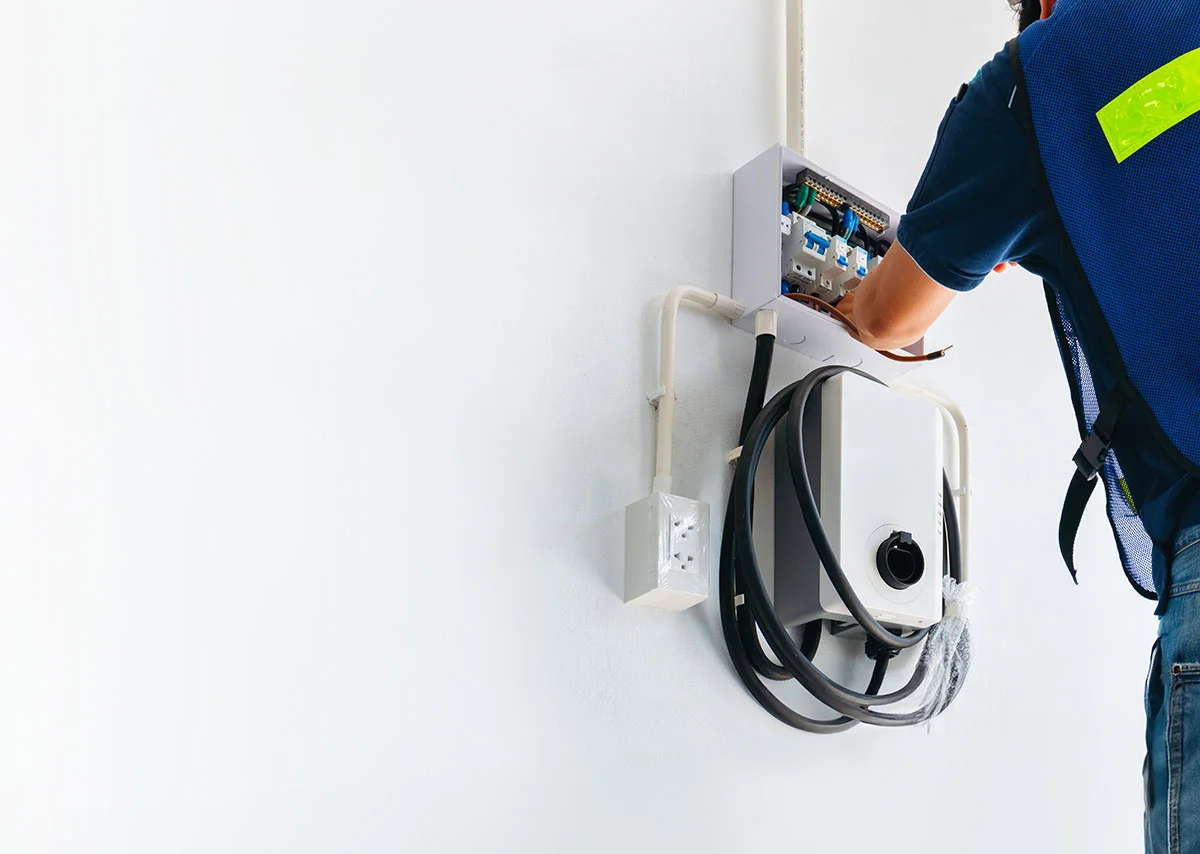
Why Home Charging Is Becoming the Preferred Choice
Public charging stations are convenient when you’re on the road, but they aren’t always available when you need them.
Charging at home offers several advantages:
- Charge overnight while you sleep
- Avoid waiting in line at public chargers
- Start every day with a full battery
- Charge on your own schedule
- Reduce the stress of finding an available charging station
For many EV owners, home charging quickly becomes one of the biggest benefits of owning an electric vehicle.
Understanding Level 1 vs. Level 2 Charging
Not all charging methods are created equal.
A standard household outlet (Level 1) can charge an electric vehicle, but it does so slowly. Depending on your vehicle and driving habits, it may take well over a day to fully recharge.
A Level 2 charger operates on a 240-volt circuit and delivers significantly faster charging, making it the preferred choice for most homeowners.
If you drive your EV regularly or have more than one electric vehicle in the household, a Level 2 charger provides the convenience and reliability most drivers are looking for.
Is Your Home Ready for an EV Charger?
Before installing a charger, it’s important to understand whether your home’s electrical system can safely support the additional demand.
A licensed electrician will typically evaluate:
- Your electrical panel capacity
- Available breaker space
- Existing electrical load
- Garage or parking location
- Distance from the electrical panel
- Future charging needs
Every home is different, and the right solution depends on your property’s existing electrical infrastructure.
Planning Ahead Can Save Time and Money
If you’re renovating your home, finishing your garage, or building a new house, it’s an ideal time to prepare for electric vehicle charging—even if you don’t own an EV yet.
Installing conduit or a dedicated circuit during construction is often much simpler and more cost-effective than making upgrades later.
Many homeowners are preparing today for the vehicles they’ll own tomorrow.
More Than Just Installing a Charger
A home EV charging system involves much more than mounting equipment on a wall.
Professional installation includes:
- Electrical load assessment
- Dedicated circuit installation
- Safe wiring and conduit routing
- Panel upgrades when required
- Code-compliant installation
- System testing
A properly installed charging station provides dependable performance while helping protect both your vehicle and your home’s electrical system.
Thinking Beyond Today
Electric vehicles continue to evolve, and many households are becoming multi-EV families.
Planning your electrical system with future expansion in mind can provide greater flexibility if you decide to add another charger, install battery storage, or integrate renewable energy solutions such as residential solar.
Future-ready planning helps your home keep pace with changing technology without unnecessary renovations.
Why Professional Installation Matters
Your EV charger becomes a permanent part of your home’s electrical system.
That’s why proper installation is essential—not only for reliable charging but also for long-term electrical safety.
Licensed electricians understand electrical load calculations, panel capacity, permitting requirements, and BC Electrical Code standards. They ensure your charger is installed correctly, safely, and ready to perform for years to come.
Why Homeowners Choose Wicks Electric
At Wicks Electric, we believe installing a home EV charger should be simple, safe, and tailored to your home’s needs.
Our experienced electricians work with homeowners throughout Vancouver and the Lower Mainland to assess electrical capacity, recommend practical charging solutions, and complete clean, professional installations that are built to last.
Whether you’ve just purchased your first electric vehicle or you’re preparing your home for the future, we’re here to help make charging at home convenient, reliable, and worry-free.
Let Wicks Electric Take a Look
If you’re thinking about installing a home EV charger or want to know whether your electrical system is ready, our licensed electricians can assess your home’s electrical capacity, answer your questions, and recommend the right charging solution for your lifestyle—no pressure, no guesswork, just honest professional advice.
Contact Wicks Electric today to schedule your Electrical Safety Inspection.
📞 604-765-8439
📧 info@wickselectric.ca
🌐 www.wickselectric.ca
Wicks Electric
Lighting the Way
Helping Homeowners Drive into the Future with Safe, Reliable EV Charging Solutions.