
Is Your Home’s Electrical System Keeping Up With Your Appliances? A Guide to Safe Appliance Circuits
Modern homes rely on more electrical appliances than ever before. From kitchen equipment and laundry machines to hot tubs, HVAC systems, and electric vehicle chargers, our daily routines depend on a reliable electrical system.
But while homeowners often focus on choosing the right appliances, one important detail is frequently overlooked: Are your appliances connected to the correct electrical circuits?
An improperly sized or overloaded circuit can cause recurring breaker trips, dimming lights, damaged appliances, and potentially serious electrical hazards. Making sure your appliances have the proper electrical connections is essential for maintaining a safe and dependable home.
At Wicks Electric, we help homeowners throughout Vancouver ensure their electrical systems are properly equipped to handle today’s power demands.
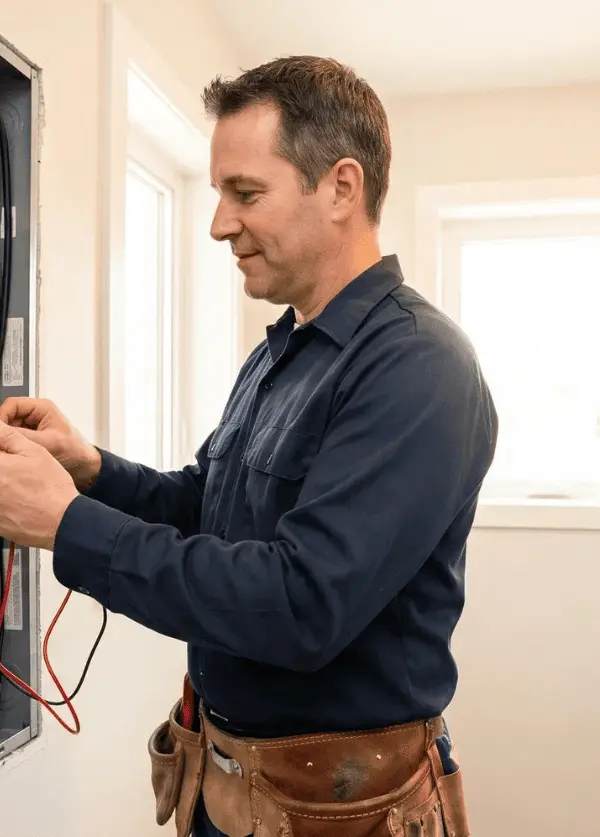
1. Why Your Appliances Need the Right Electrical Circuits
Every electrical appliance has specific power requirements. Smaller devices may operate safely on shared circuits, while larger appliances often require dedicated circuits to handle their electrical demand.
When too many appliances draw power from the same circuit, the electrical system can become overloaded. This places unnecessary stress on wiring and protective devices.
Some common warning signs include:
- Circuit breakers that trip frequently when appliances are running.
- Lights that dim when the washer, dryer, or microwave starts.
- Appliances that unexpectedly lose power.
- Breakers that feel unusually warm.
- Electrical interruptions when multiple appliances operate simultaneously.
These symptoms should never be ignored. They may indicate that your electrical system needs professional attention.
2. Which Household Appliances Need Dedicated Circuits?
Many major household appliances have specific electrical requirements and may require dedicated circuits depending on their specifications and applicable electrical codes.
Some of the appliances our electricians check include:
Kitchen Appliances
- Electric ovens and stovetops
- Refrigerators and freezers
- Dishwashers
- Garbage disposals
- Microwaves
Laundry Equipment
- Washing machines
- Electric dryers
Home Comfort and Outdoor Equipment
- Heating and air conditioning systems
- Hot tubs
- Other high-demand electrical equipment
Modern Electrical Installations
- Electric vehicle chargers
- Additional high-power equipment
Having the correct circuit configuration helps prevent unnecessary electrical strain and supports the safe operation of your appliances.
3. What Happens During an Appliance Circuit Inspection?
At Wicks Electric, our 20-Point Electrical Safety Inspection includes an Appliance Circuit Load Check designed to identify potential problems with your home’s appliance circuits.
Our licensed electricians examine several important areas:
Circuit Identification: We review which appliances are connected to specific breakers and identify potentially overloaded shared circuits.
Proper Breaker Sizing: We verify that circuit breakers are appropriately sized for the electrical requirements of the connected appliances.
Dedicated Circuit Verification: We check whether major appliances have the dedicated circuits required for their installation.
Overload Assessment: We look for signs that multiple appliances may be placing excessive demand on the same circuit.
Upgrade Recommendations: If we identify an issue, we explain the recommended improvements to help make your electrical system safer and more reliable.
The goal is to identify potential problems before they become expensive or dangerous electrical issues.
4. Planning a Renovation or Installing New Appliances?
Adding new appliances can significantly change your home’s overall electrical demand.
For example, renovating your kitchen, adding an upstairs laundry room, building a secondary suite, or installing an EV charger may require additional circuits or electrical panel improvements.
Planning these requirements before installation helps avoid unnecessary modifications later.
Wicks Electric can assist with:
- Planning electrical layouts for renovations.
- Installing new dedicated appliance circuits.
- Adding or upgrading circuit breakers.
- Assessing electrical panel capacity.
- Ensuring installations meet applicable BC electrical safety requirements.
Whether you’re upgrading one appliance or renovating an entire home, having a qualified electrician assess your electrical requirements is an important step.
5. Why Choose Wicks Electric for Your Electrical Safety Inspection?
Choosing an electrician means trusting someone with the safety and reliability of your home’s electrical system.
At Wicks Electric, we believe quality electrical service goes beyond completing the installation. It’s about providing honest recommendations, explaining the work clearly, and delivering dependable results.
Since 2012, our family-owned and operated company has proudly served Vancouver and the surrounding Lower Mainland.
When you work with our team, you can expect:
- Licensed and experienced electricians.
- Honest advice and straightforward recommendations.
- Clean and professional workmanship.
- Careful attention to electrical safety.
- Reliable solutions designed for long-term performance.
Our goal is to build lasting relationships with our customers while keeping their homes safe and properly powered.
Schedule Your Electrical Safety Inspection Today
Your appliances work hard every day, but your electrical system needs to be properly equipped to support them.
If you’re experiencing frequently tripping breakers, dimming lights, or unexpected power interruptions, it may be time to have your appliance circuits professionally inspected.
Even if everything appears to be working normally, a professional electrical safety inspection can help identify potential issues and give you greater confidence in your home’s electrical system.
Contact Wicks Electric today to schedule your 20-Point Electrical Safety Inspection.
Wicks Electric Inc.
Licensed Electricians Serving Vancouver and the Lower Mainland
Phone: (604) 765-8439
Email: info@wickselectric.ca
Website: www.wickselectric.ca
Wicks Electric – Lighting the Way to Safer, Smarter Homes.
Is Your Home Ready for a Power Outage? A Homeowner’s Guide to Backup Generator Installation
A sudden power outage can turn an ordinary day into a stressful experience. From losing access to essential appliances to dealing with a cold home during severe weather, an unexpected interruption in electricity can affect your household in more ways than you might expect.
For homeowners in Vancouver and the Lower Mainland, having a reliable backup power solution can make a significant difference. A professionally installed standby generator helps keep essential systems operating when utility power fails, providing greater comfort, convenience, and peace of mind.
At Wicks Electric, we help homeowners understand their electrical needs and explore practical solutions to keep their homes powered when it matters most.
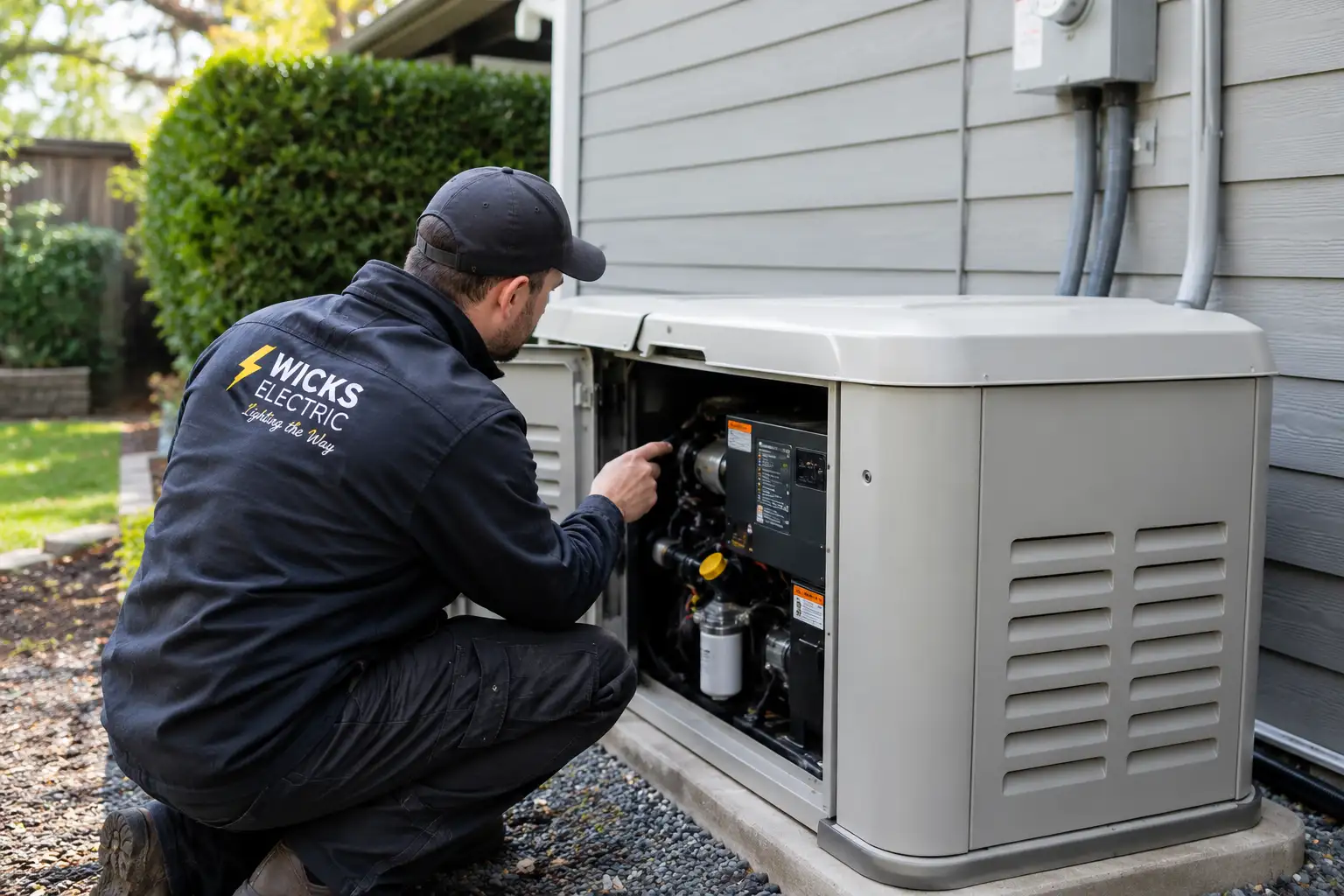
How Does a Standby Home Generator Work?
A standby generator is a permanently installed unit, typically located outdoors, that supplies backup electricity when your regular utility power is interrupted.
Unlike portable generators, standby systems are connected to your home’s electrical system through properly installed transfer equipment. When an outage occurs, an automatic transfer switch can detect the loss of utility power and transfer the selected electrical loads to the generator.
When utility power returns, the system transfers the loads back to the normal supply and shuts down according to the manufacturer’s operating sequence.
Depending on the equipment and configuration, this process can happen automatically without requiring you to start the generator manually.
Which Home Appliances Can a Generator Power?
One of the first questions homeowners ask is whether a standby generator can power their entire home.
The answer depends on the generator’s capacity, your home’s electrical demand, and the circuits included in the backup system.
Some homeowners choose to keep only essential equipment running, while others invest in a larger system designed to support more of the home.
Common priorities include:
- Refrigerators and freezers: Help keep food cold during an outage.
- Heating systems: Maintain indoor comfort when compatible heating equipment is included.
- Lighting and electrical outlets: Keep essential areas illuminated and provide power for everyday devices.
- Internet and home office equipment: Help maintain connectivity and support remote work.
- Security systems: Keep compatible alarms and other security equipment operating.
- Sump pumps: Help manage water accumulation where applicable.
- Garage doors: Maintain access when the required opener circuit is backed up.
It’s important to remember that not every generator can operate every appliance simultaneously. Large electrical loads, including electric ranges, electric water heaters, central air conditioning, and electric vehicle chargers, can significantly affect generator sizing.
A professional load assessment helps determine which equipment can operate together safely and reliably.
Standby Generator vs. Portable Generator: Which Is Right for You?
Both options can provide backup electricity, but they serve different needs.
A portable generator may be suitable for occasional use and smaller backup requirements. However, it generally requires manual setup, an appropriate outdoor operating location, and a properly designed connection method.
A standby generator is permanently installed and can provide automatic backup power when paired with compatible transfer equipment. It is often preferred by homeowners who want a more convenient, hands-off solution.
The right choice depends on your budget, expected outage frequency, household electrical demand, available installation space, and desired level of backup coverage.
Important safety note: Fuel-burning generators must never be operated indoors, in garages, or near windows and air intakes where exhaust could enter the home. A generator must never be connected to household wiring through an improvised connection or in a way that can backfeed the utility supply.
What Should You Consider Before Installing a Home Generator?
Choosing a generator involves more than comparing equipment prices. The installation must be designed around your property’s electrical system and the way your household uses electricity.
1. Determine Your Backup Power Requirements
Start by identifying which appliances and systems are most important during an outage. Consider whether you need to maintain basic lighting and refrigeration or operate several larger systems at the same time.
These priorities help determine the appropriate generator capacity.
2. Check Your Existing Electrical Panel
Your electrical panel and available circuit capacity play an important role in planning a generator installation. An electrician can assess the existing distribution system and determine how the backup supply should be integrated.
Depending on the project, panel modifications or other electrical upgrades may be required.
3. Choose an Appropriate Installation Location
Standby generators require suitable outdoor space, adequate ventilation, and compliance with manufacturer clearances and applicable local requirements.
Fuel supply, noise, service access, property boundaries, and proximity to windows and air intakes must also be considered during planning.
4. Understand Transfer Switch Requirements
A transfer switch safely manages the change between utility electricity and generator power. Its configuration depends on the generator system and whether you intend to back up selected circuits or a larger portion of the home.
Proper integration is essential to help prevent unsafe electrical conditions and protect utility workers and your equipment.
5. Plan for Permits and Inspections
Generator installations may require electrical permits, inspections, and coordination with other qualified trades, depending on the equipment and scope of work.
Planning these requirements in advance helps avoid unnecessary delays and ensures the installation is completed in accordance with applicable regulations.
Why Professional Generator Installation Matters
A standby generator becomes part of your home’s electrical infrastructure, so correct installation is essential.
Professional installation involves evaluating electrical loads, selecting compatible equipment, integrating the transfer switch, coordinating required permits, and testing the completed system.
For fuel-powered generators, the fuel supply must also be installed and inspected by appropriately qualified professionals where required.
Once the system is commissioned, homeowners should understand how to monitor the equipment, follow the manufacturer’s maintenance schedule, and arrange periodic servicing.
Routine maintenance and testing help identify potential problems before an outage occurs. A generator that has not been maintained or tested may not perform as expected when you need it.
Prepare Your Home Before the Next Outage
Waiting until the power goes out to consider backup power can leave you with limited options. Planning ahead gives you time to compare systems, establish your priorities, and complete the necessary installation and testing.
Even if a whole-home generator isn’t the right fit for your property, a carefully designed backup power plan can help protect essential household functions.
The key is choosing a solution that meets your needs without paying for more capacity than your home requires.
Reliable Backup Power with Wicks Electric
At Wicks Electric, we understand how important a dependable electrical system is to your home and family. Our team provides professional electrical services throughout Vancouver and the Lower Mainland, helping homeowners evaluate their electrical systems and plan improvements with confidence.
If you’re considering a standby generator, we can help assess your existing electrical setup, discuss your backup power priorities, and determine the electrical work required for your project.
Our focus is on quality workmanship, clear communication, and reliable electrical solutions designed around your home.
Let Wicks Electric Help You Prepare
Don’t wait for the next storm or unexpected outage to think about backup power. Contact Wicks Electric to discuss your home’s electrical requirements and explore your options for a standby generator installation.
Wicks Electric Inc.
Lighting the Way
Phone: 604-765-8439
Email: info@wickselectric.ca
Website: https://www.wickselectric.ca
Helping Vancouver and Lower Mainland homeowners stay prepared with dependable electrical solutions.

Transform Your Home with Energy-Efficient LED Lighting: A Guide for Vancouver Homeowners
Lighting is one of the most effective ways to improve the comfort, appearance, and energy efficiency of your home. Whether you’re updating an older property, renovating your kitchen, or looking for ways to reduce electricity consumption, modern LED lighting can make a noticeable difference.
At Wicks Electric, we help homeowners and businesses throughout Vancouver and the Lower Mainland find practical lighting solutions that combine energy efficiency, functionality, and attractive design.
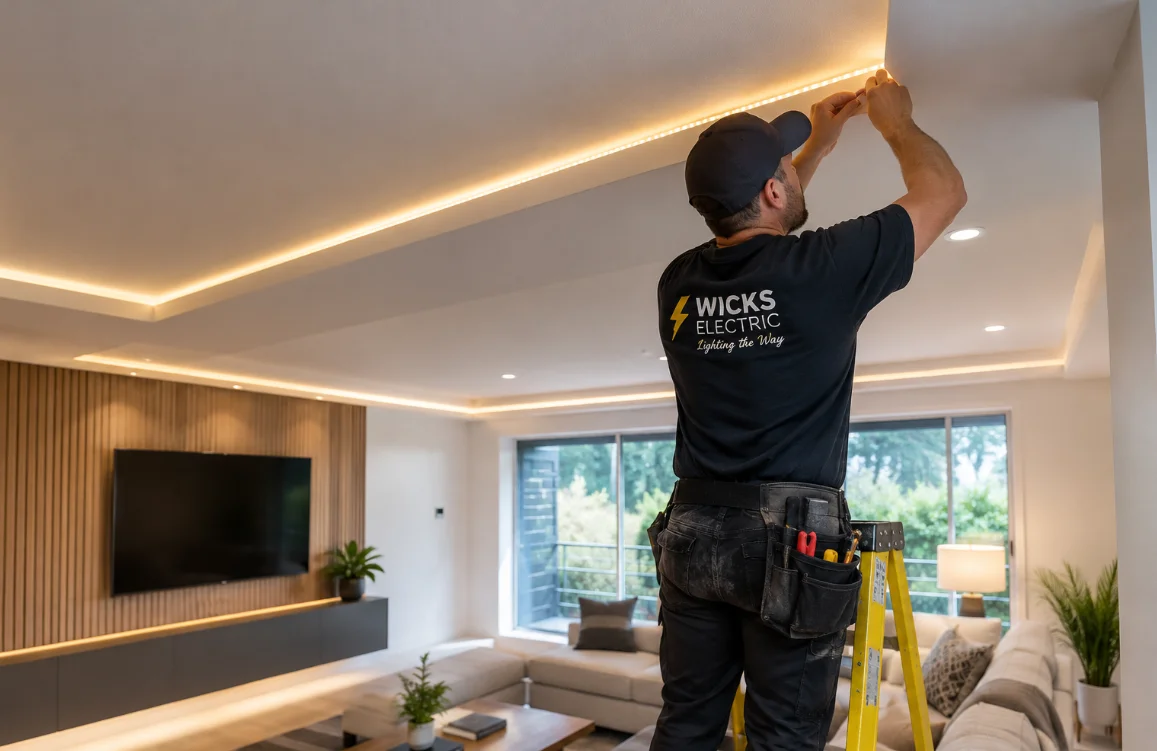
What Makes LED Lighting a Better Choice?
Traditional incandescent and halogen bulbs consume more electricity and generate more heat than LED alternatives. LED lighting technology provides excellent illumination while using less energy, making it a practical option for homeowners looking to improve their lighting systems.
Here are some of the reasons LED lighting has become a popular choice for residential and commercial properties.
1. Reduce Your Electricity Consumption
LED lights generally use significantly less electricity than traditional incandescent bulbs to produce comparable levels of brightness. Replacing frequently used lights throughout your home can help reduce lighting-related energy consumption over time.
2. Enjoy Longer-Lasting Lighting
LED bulbs and fixtures typically have a longer rated lifespan than traditional lighting options. This means fewer replacements, less maintenance, and greater convenience, especially for hard-to-reach fixtures and outdoor lights.
3. Create a More Comfortable Living Space
Lighting affects how a room looks and feels. Warm white LEDs can create a relaxing atmosphere in bedrooms and living rooms, while neutral or cooler white lighting can provide clear visibility in kitchens, offices, and work areas.
With the right fixtures and colour temperature, you can make each room more comfortable and functional.
4. Reduce Unwanted Heat
LEDs generally produce less heat than incandescent and halogen bulbs. This can make them a practical choice for indoor spaces where lighting is used for extended periods.
LED Lighting Upgrades That Can Make a Difference
Upgrading to LED lighting doesn’t have to mean replacing every bulb in your home at once. You can start with the areas where better lighting would provide the greatest benefit.
Recessed Pot Lights
Recessed LED lighting creates a clean, modern appearance while providing even illumination throughout a room. It’s a popular option for kitchens, hallways, living rooms, and finished basements.
A professional electrician can help determine the appropriate fixture placement and ensure the installation is suitable for your ceiling and existing electrical system.
Under-Cabinet Kitchen Lighting
Under-cabinet LED lighting improves visibility on kitchen countertops while adding a polished finish to your space. It’s particularly useful for food preparation, cooking, and other everyday kitchen activities.
Outdoor and Security Lighting
Exterior LED lighting can improve visibility around entrances, garages, driveways, patios, and walkways. Motion-activated fixtures can also provide convenient lighting when someone approaches your property.
Choosing weather-appropriate fixtures and having them installed correctly helps ensure dependable outdoor performance.
Dimmers and Smart Lighting Controls
LED lighting can also work with dimmers, timers, and smart controls when compatible equipment is selected. These features allow you to adjust brightness, create lighting schedules, and customize your home’s atmosphere.
Before installing a new dimmer, it’s important to confirm that it is compatible with your LED bulbs or fixtures to help prevent flickering, buzzing, or inconsistent operation.
Why Professional LED Installation Matters
Although changing a standard light bulb is straightforward, installing new lighting fixtures or adding recessed lights can involve electrical wiring, circuit capacity, insulation clearances, and building-specific requirements.
Professional installation helps ensure that your new lighting is properly connected, suitable for its intended location, and compliant with applicable electrical codes.
A licensed electrician can also assess your existing lighting and recommend improvements based on your home’s layout, lighting needs, and budget.
At Wicks Electric, we focus on quality workmanship, careful preparation, and reliable service. Our team works to keep your home clean during the job by using protective coverings and cleaning up the work area when finished.
Is It Time to Upgrade Your Existing Lighting?
If your home still has older bulbs, outdated fixtures, poorly lit rooms, or exterior lights that no longer meet your needs, an LED upgrade may be worth considering.
You don’t necessarily need a complete lighting renovation to enjoy the benefits. Replacing frequently used fixtures, improving task lighting, or upgrading outdoor illumination can be a practical starting point.
For commercial properties, upgrading older lighting systems may also present opportunities to reduce operating costs. Eligible businesses may wish to explore available energy-efficiency incentives, including applicable BC Hydro lighting programs. Program eligibility, qualifying equipment, and rebate amounts should be confirmed before work begins.
Upgrade Your Lighting with Wicks Electric
At Wicks Electric, we provide professional electrical services for homeowners and businesses in Vancouver and the Lower Mainland. Whether you’re interested in modern recessed lighting, improved kitchen illumination, outdoor security lights, or a broader lighting upgrade, our team can help you explore the right options for your property.
Our goal is to deliver safe, reliable electrical work that improves the way you use and enjoy your space.
Ready to brighten your home with modern LED lighting?
Contact Wicks Electric to discuss your lighting project and arrange a visit with our licensed electricians.
Wicks Electric Inc.
Lighting the Way
Phone: 604-765-8439
Email: info@wickselectric.ca
Website: https://www.wickselectric.ca
Brightening Vancouver homes and businesses with efficient, modern lighting solutions.
Is Your Home Protected from Electrical Shocks? A Vancouver Homeowner’s Guide to GFCI Outlets
By Wicks Electric | Licensed Electricians in Vancouver, BC
Electrical safety is not always about the things you can see. Some of the most important protections in your home are small devices designed to respond in a fraction of a second when something goes wrong.
One of these essential safety devices is the Ground Fault Circuit Interrupter, commonly known as a GFCI outlet. These outlets help protect people from electrical shocks, particularly in areas where water and electricity may come into contact.
At Wicks Electric, we include a GFCI Protection Check as part of our 20-Point Electrical Safety Inspection to help Vancouver homeowners maintain safer, more reliable electrical systems.
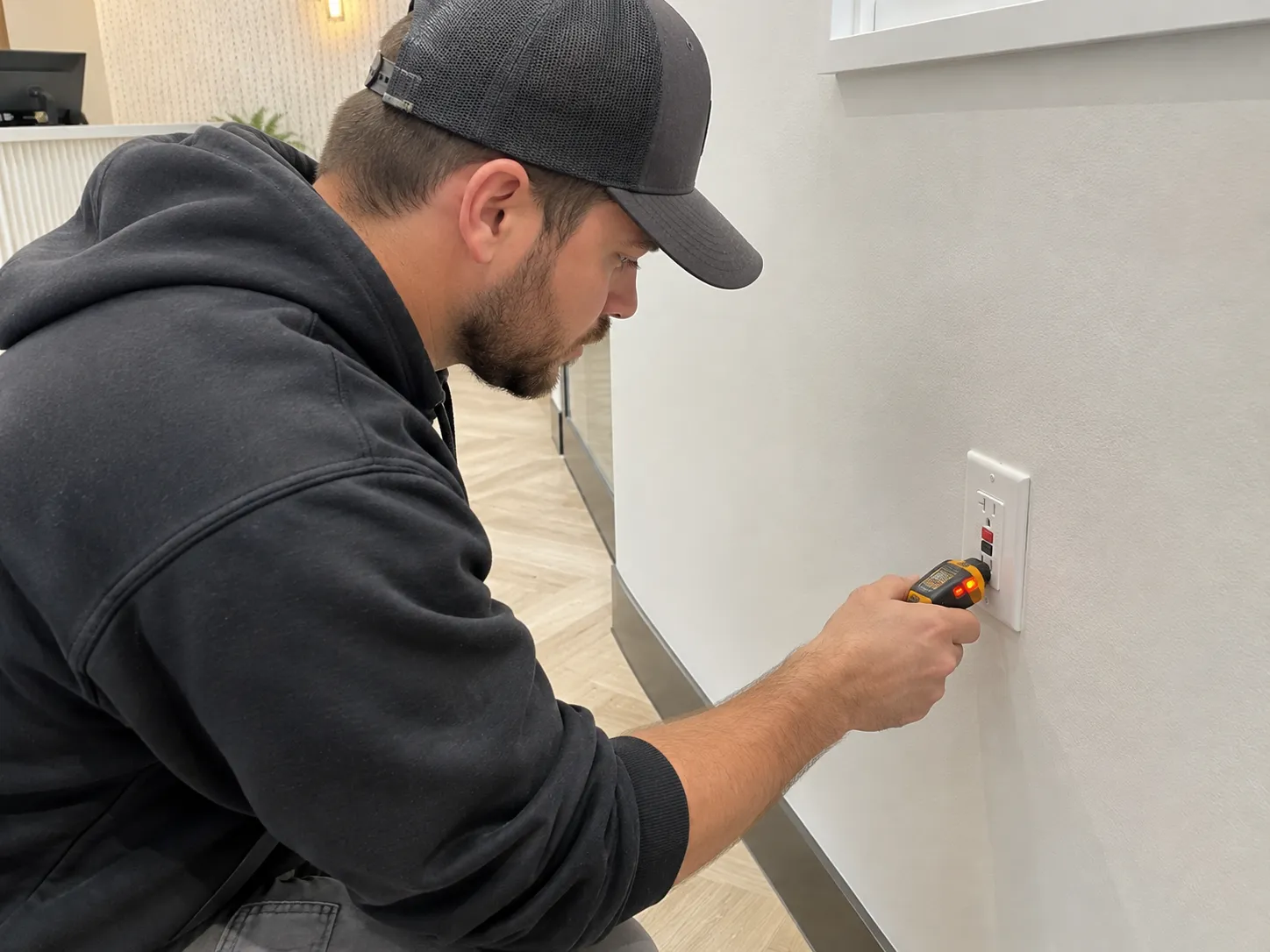
What Makes GFCI Outlets Different from Standard Outlets?
Standard electrical outlets supply power to your appliances and devices. GFCI outlets provide an additional layer of protection by monitoring the flow of electricity.
If a GFCI detects an imbalance that may indicate electricity is taking an unintended path, it quickly interrupts the power. This helps reduce the risk of electrical shock and serious injury.
Because these devices are designed to respond to electrical faults, proper installation, testing, and maintenance are essential.
Five Areas of Your Home Where GFCI Protection Matters
Water and moisture can increase the risk of electrical shock. That’s why GFCI protection is particularly important in areas such as:
1. Kitchens
Countertop appliances are often used near sinks and other water sources. Appropriate GFCI protection helps reduce the risk of electrical shock while preparing meals and cleaning.
2. Bathrooms
Hair dryers, electric shavers, and other personal care appliances are commonly used in bathrooms. Proper protection is essential in these moisture-prone spaces.
3. Garages and Workshops
Power tools and portable equipment may be used around concrete floors, damp surfaces, and outdoor entrances. GFCI protection adds an important safety measure.
4. Laundry Rooms and Utility Areas
Washing machines, sinks, and other equipment can bring electricity and moisture into close proximity. Having the appropriate protection helps reduce electrical risks.
5. Outdoor Receptacles
Outdoor outlets are exposed to rain, damp conditions, and changing weather. Properly installed GFCI protection helps make outdoor electrical use safer.
The exact requirements depend on the installation and applicable electrical code. A licensed electrician can assess your home’s specific needs.
Four Warning Signs Your GFCI Outlet Needs Attention
GFCI outlets should not be ignored simply because they still provide power. Watch for these warning signs:
- Frequent tripping: The outlet repeatedly interrupts power without an obvious explanation.
- A reset button that will not stay engaged: The device may have a fault or be detecting a continuing problem.
- Visible damage or discoloration: Loose, cracked, or discolored outlets should be professionally assessed.
- Older electrical installations: Your home may need an inspection to determine whether its existing protection is adequate.
Frequent tripping should never be treated as a nuisance to work around. It may indicate an electrical fault that needs investigation. Avoid repeatedly resetting a problematic outlet without identifying the cause.
Why Testing Your GFCI Outlets Is Important
Like other electrical components, GFCI devices can wear out or develop faults over time. An outlet may appear normal while its protective function is not operating correctly.
During a GFCI protection inspection, our licensed electricians can:
- Test existing GFCI outlets for proper operation.
- Check installation and placement.
- Identify areas that may require additional protection.
- Inspect visible wiring and electrical connections.
- Recommend replacement of defective or outdated devices where appropriate.
A professional inspection can help identify problems that are not obvious during everyday use.
Are You Renovating Your Home?
Kitchen renovations, bathroom upgrades, and new outdoor electrical installations are good opportunities to review your electrical safety.
Adding outlets or changing the layout of an existing space may affect the protection required. Having a licensed electrician assess the installation helps ensure the work meets applicable electrical code requirements.
Whether you’re updating an older home or improving a recently renovated property, proper GFCI protection should be part of the conversation.
Why Vancouver Homeowners Choose Wicks Electric
Founded in Vancouver in 2012, Wicks Electric is a family-owned and operated electrical company serving homeowners throughout Vancouver and the Lower Mainland.
Our team focuses on quality workmanship, clear communication, and a positive customer experience. Our electricians are employees, not subcontractors, and we take pride in providing reliable electrical services tailored to each home.
As part of our commitment to safety, our 20-Point Electrical Safety Inspection includes a GFCI Protection Check to help identify potential concerns and determine whether improvements are needed.
Book Your GFCI Protection Inspection in Vancouver
Electrical shock prevention starts with the right safety devices and ensuring they work as intended. If your outlets are frequently tripping, showing signs of damage, or you are unsure whether your home has adequate GFCI protection, our team can help.
Contact Wicks Electric to discuss an electrical safety inspection for your home.
Wicks Electric | Lighting the Way Since 2012
📞 Phone: (604) 765-8439
📧 Email: info@wickselectric.ca
🌐 Website: www.wickselectric.ca
Protect your home and family with professional electrical services from Wicks Electric, your trusted electricians in Vancouver, BC.
Is Your Bathroom Fan and Kitchen Hood Wiring Safe? A Guide for Vancouver Homeowners
By Wicks Electric | Licensed Electricians in Vancouver, BC
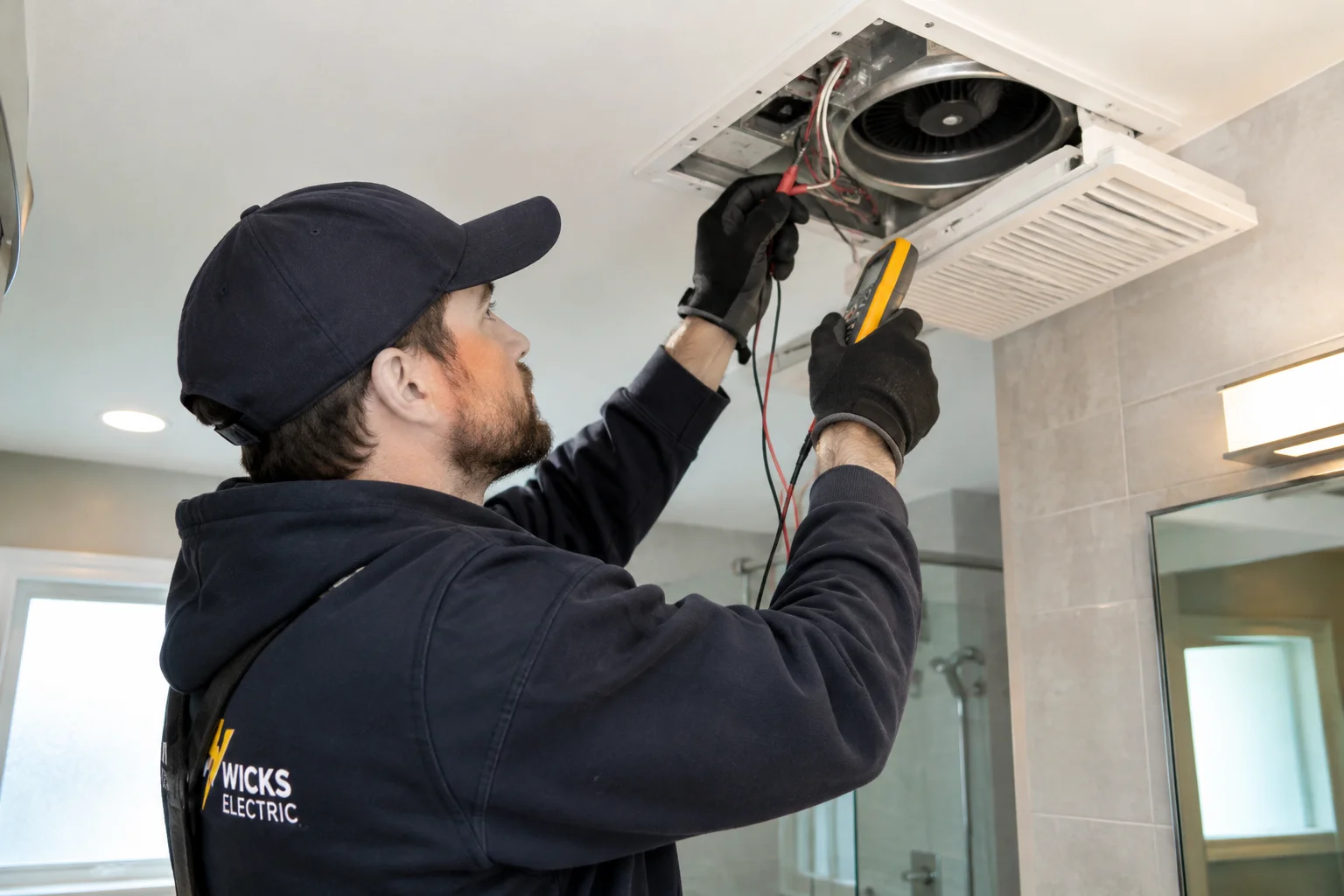
Bathroom fans and kitchen range hoods play an important role in maintaining a comfortable and healthy home. They help remove excess moisture, cooking odors, smoke, and airborne grease. However, even the best ventilation equipment may not perform properly if its electrical wiring is faulty, outdated, or incorrectly installed.
At Wicks Electric, we believe electrical safety starts with the details you cannot always see. That is why checking the wiring and connections behind your ventilation systems is an important part of maintaining your home’s electrical safety.
Why Proper Ventilation Wiring Matters
Bathroom fans and kitchen range hoods rely on dependable electrical connections to operate safely and consistently. When these systems work correctly, they help control humidity, improve indoor air quality, and reduce lingering odors.
In bathrooms, inadequate ventilation can contribute to moisture buildup, mold, mildew, peeling paint, and damage to walls and ceilings. In kitchens, a properly functioning range hood helps remove cooking fumes and odors.
Faulty wiring can interfere with ventilation performance and may create electrical hazards. Regular inspections can help identify potential problems before they become more serious.
Common Electrical Problems With Bathroom Fans and Kitchen Hoods
Over time, electrical components can wear out or develop faults. Older homes may also have wiring or connections that require closer inspection.
Common issues include:
- Loose electrical connections: These can cause intermittent operation or overheating.
- Damaged or aging wiring: Deteriorated insulation can compromise electrical safety.
- Improper grounding: Incorrect grounding can increase the risk of electrical shock.
- Faulty switches or controls: Worn switches may prevent fans or range hoods from operating reliably.
- Corrosion or damaged components: Moisture and everyday wear can affect electrical connections.
- Circuit problems: Incorrect electrical modifications may affect the safe operation of ventilation equipment.
A licensed electrician can inspect these components and recommend appropriate repairs when needed.
Warning Signs You Shouldn’t Ignore
Your bathroom fan or kitchen hood may need professional attention if you notice any of the following:
- The fan or range hood stops working unexpectedly.
- You hear buzzing or unusual sounds near a switch or electrical connection.
- Lights flicker when the equipment is operating.
- Your bathroom remains damp long after showering.
- Cooking odors and smoke linger longer than usual.
- You notice a burning smell near electrical equipment.
If you notice a burning smell, smoke, or signs of overheating, stop using the affected equipment if it is safe to do so and arrange prompt professional assessment. Do not open electrical equipment or attempt wiring repairs yourself.
What Does a Bathroom Fan and Kitchen Hood Wiring Inspection Include?
A professional inspection helps determine whether your ventilation equipment is connected and operating safely.
At Wicks Electric, our electricians can assess:
- Wiring and connections to identify loose connections, damage, or visible signs of deterioration.
- Switches and controls to check for proper operation.
- Grounding to assess whether the equipment is properly grounded.
- Signs of overheating or corrosion that may indicate an electrical issue.
- Electrical safety requirements to determine whether the installation meets applicable electrical code requirements.
- Equipment operation to identify electrical problems that may affect performance.
The specific work required will depend on the condition, age, and installation of your equipment.
When Should You Schedule an Electrical Inspection?
You do not need to wait for a complete equipment failure before arranging an inspection. Consider contacting an electrician if your bathroom fan or kitchen hood is unreliable, your home is undergoing renovations, or you have concerns about older electrical installations.
An inspection can also be worthwhile when upgrading your kitchen appliances or replacing a bathroom fan. Having the electrical connections assessed helps ensure the new equipment is suitable for the existing installation.
Remember that reduced airflow can also result from blocked ducts, dirty filters, or mechanical problems. An electrical inspection can help identify wiring concerns, but other ventilation issues may require separate attention.
Why Choose Wicks Electric?
Since 2012, Wicks Electric has provided residential electrical services to homeowners in Vancouver and the Lower Mainland. Our licensed electricians focus on careful workmanship, clear communication, and practical recommendations tailored to each home.
Whether you need help investigating an unreliable bathroom fan, checking your kitchen hood wiring, or addressing other electrical concerns, our team is here to help you maintain a safe and dependable electrical system.
Book Your Electrical Inspection in Vancouver
Your bathroom fan and kitchen hood help protect your home from excess moisture, odors, and airborne contaminants. Make sure the electrical connections supporting these essential appliances receive the attention they deserve.
Contact Wicks Electric to discuss your electrical inspection or repair needs.
Wicks Electric | Lighting the Way
Phone: (604) 765-8439
Email: info@wickselectric.ca
Website: www.wickselectric.ca
Your trusted electricians in Vancouver, BC, providing professional electrical services for safer, more comfortable homes.
Hidden Electrical Hazards Outside Your Home: Why Exterior Inspections Matter
When homeowners think about electrical safety, they often focus on outlets, light switches, breaker panels, and indoor wiring. However, some of the most important parts of a home’s electrical system are located outside, where they are exposed to rain, wind, moisture, and changing temperatures year-round.
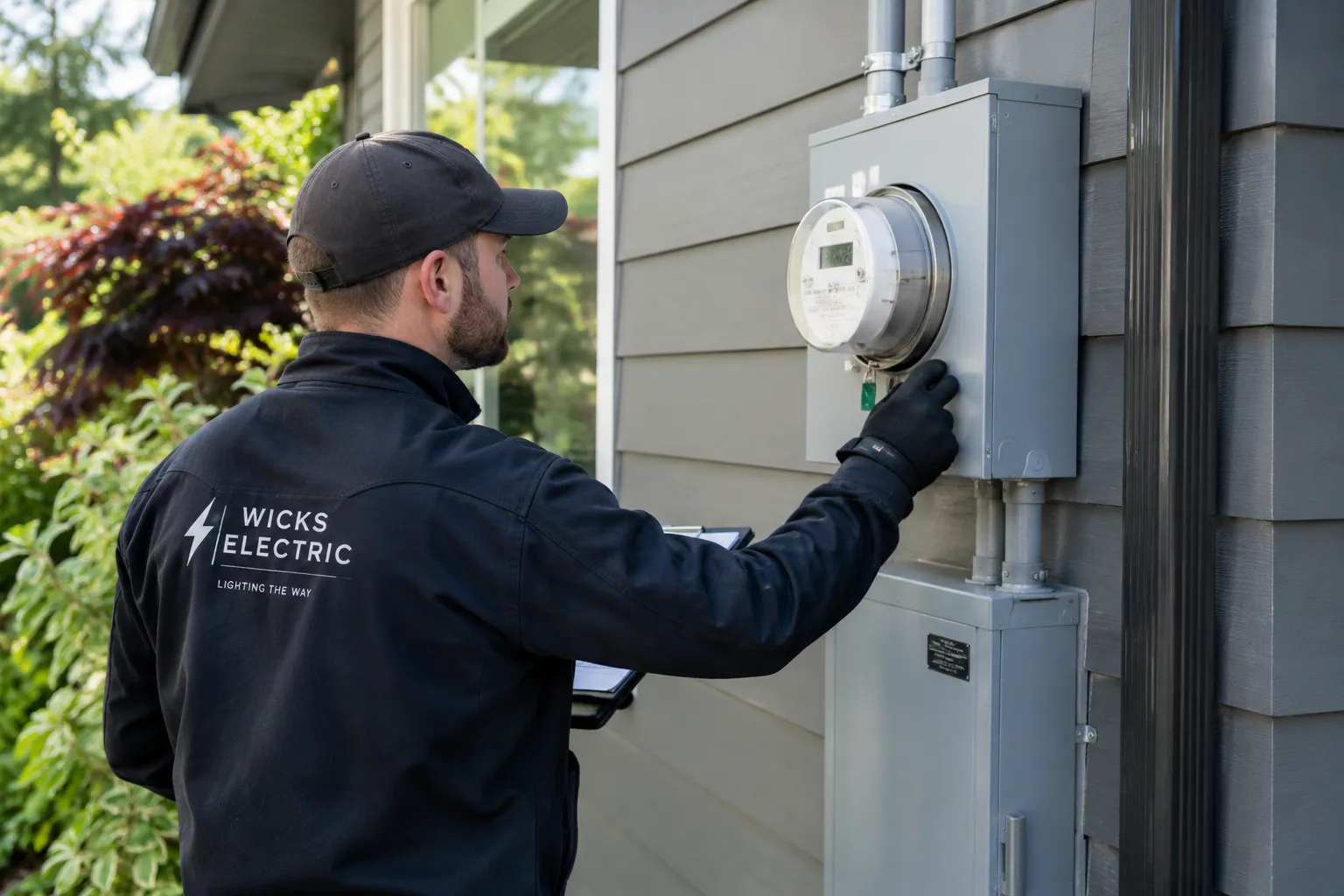
At Wicks Electric, we believe electrical safety starts at the point where power enters your home. That is why our comprehensive 20-Point Electrical Safety Inspection includes checking the exterior electrical service and meter base.
If you want to keep your home safe and your electrical system reliable, understanding these often-overlooked components is an important first step.
What Is Your Home’s Exterior Electrical Service?
Your exterior electrical service is the connection that brings electricity from the utility supply into your property. It consists of several components that work together to deliver power safely to your home’s electrical panel.
These components may include:
- Service mast and weatherhead: Help support and protect overhead service conductors from the elements.
- Service entrance conductors: Carry electricity toward your home’s electrical system.
- Cable attachments and strain reliefs: Help secure service cables and manage mechanical tension.
- Meter base: Houses the electrical meter and provides the connection point for measuring your property’s electricity use.
- Grounding and bonding components: Help provide an important layer of electrical protection.
Because these components are exposed to outdoor conditions, they can experience wear and deterioration over time. Even when your lights and appliances appear to work normally, the exterior equipment may still need attention.
How Vancouver’s Weather Can Affect Exterior Electrical Equipment
In Vancouver and across the Lower Mainland, exterior electrical components face ongoing exposure to moisture, rain, wind, and seasonal temperature changes.
Over the years, this exposure can contribute to several potential problems, including:
1. Rust and Corrosion
Metal meter bases, brackets, and other exterior hardware can develop rust or corrosion. If deterioration becomes significant, it may affect the condition and reliability of the equipment.
2. Loose or Damaged Service Cables
Service cables and their supporting hardware must remain properly secured. Damaged cables or loose attachments may create electrical safety concerns and can contribute to service interruptions.
3. Deteriorated Weather Protection
Cracked seals, damaged weatherheads, or compromised protective coverings may allow moisture to reach areas that should remain protected.
4. Water Intrusion
Signs of water entering electrical equipment should never be ignored. Moisture around electrical connections can contribute to corrosion, equipment damage, and potential shock or fire hazards.
5. Aging or Improperly Supported Equipment
Older service equipment may show signs of deterioration or require further assessment to determine whether repairs or upgrades are needed.
These issues do not always cause immediate symptoms. Regular inspections can help identify visible concerns before they develop into more serious problems.
What Does an Electrician Check During an Exterior Inspection?
A professional exterior electrical inspection involves more than simply looking at the meter. A licensed electrician assesses the visible condition of the service equipment and identifies potential safety concerns.
At Wicks Electric, our inspection may include checking:
- The service mast for secure anchoring and proper support
- The meter base for rust, corrosion, and physical damage
- Service cable attachments and strain relief hardware
- The condition of weather protection and visible signs of moisture intrusion
- Visible grounding and bonding components
- The overall condition of exterior electrical equipment
Our goal is to identify concerns, explain our findings, and recommend appropriate next steps to help maintain a safe and reliable electrical system.
Certain utility-side components may fall under BC Hydro’s responsibility. If an issue involves utility-owned equipment, further coordination with the utility provider may be required.
When Should You Schedule an Exterior Electrical Inspection?
Although exterior equipment should not be overlooked during routine maintenance, an inspection can be particularly valuable in several situations.
Consider arranging an inspection if:
- Your home is more than 20 years old.
- You are planning an electrical service or panel upgrade.
- You have noticed flickering lights or unusual power fluctuations.
- You have recently purchased a home.
- You are preparing to sell your property.
- You can see rust, damaged hardware, deteriorated weather protection, or other signs of wear around the meter base or service entrance.
If you notice exposed or damaged electrical conductors, sparks, smoke, or signs of active electrical damage, keep your distance and seek professional assistance. Do not attempt to repair exterior service equipment yourself.
Even if everything appears to be working properly, a professional inspection can help identify visible issues that might otherwise go unnoticed.
Why Exterior Inspections Are Part of a Complete Electrical Safety Check
Your home’s electrical system works as a connected network. Problems at the service entrance can affect the reliability and safety of the electrical equipment supplied by it.
That is why a thorough electrical safety inspection should consider both indoor and outdoor components.
Wicks Electric’s 20-Point Electrical Safety Inspection helps homeowners assess important areas of their electrical system, from the exterior service and meter base to the components inside their homes.
We focus on careful workmanship, clear communication, and practical recommendations so you can make informed decisions about maintaining your property.
Trust Wicks Electric for Residential Electrical Services in Vancouver
At Wicks Electric, we are proud to help homeowners throughout Vancouver and the Lower Mainland maintain safe, dependable electrical systems. Our licensed electricians take the time to assess potential concerns and explain what may need attention.
Whether you are maintaining an older home, preparing for a renovation, planning an electrical upgrade, or simply looking for added peace of mind, our team is here to help.
Do not overlook the electrical equipment outside your home.
Contact Wicks Electric to schedule your 20-Point Electrical Safety Inspection and take a proactive step toward protecting your home’s electrical system.
Wicks Electric Inc.
Lighting the Way
Phone: (604) 765-8439
Email: info@wickselectric.ca
Website: https://www.wickselectric.ca
Serving Vancouver and the Lower Mainland with professional residential electrical services.