
Is Your Home Protected from Electrical Shocks? A Vancouver Homeowner’s Guide to GFCI Outlets
By Wicks Electric | Licensed Electricians in Vancouver, BC
Electrical safety is not always about the things you can see. Some of the most important protections in your home are small devices designed to respond in a fraction of a second when something goes wrong.
One of these essential safety devices is the Ground Fault Circuit Interrupter, commonly known as a GFCI outlet. These outlets help protect people from electrical shocks, particularly in areas where water and electricity may come into contact.
At Wicks Electric, we include a GFCI Protection Check as part of our 20-Point Electrical Safety Inspection to help Vancouver homeowners maintain safer, more reliable electrical systems.
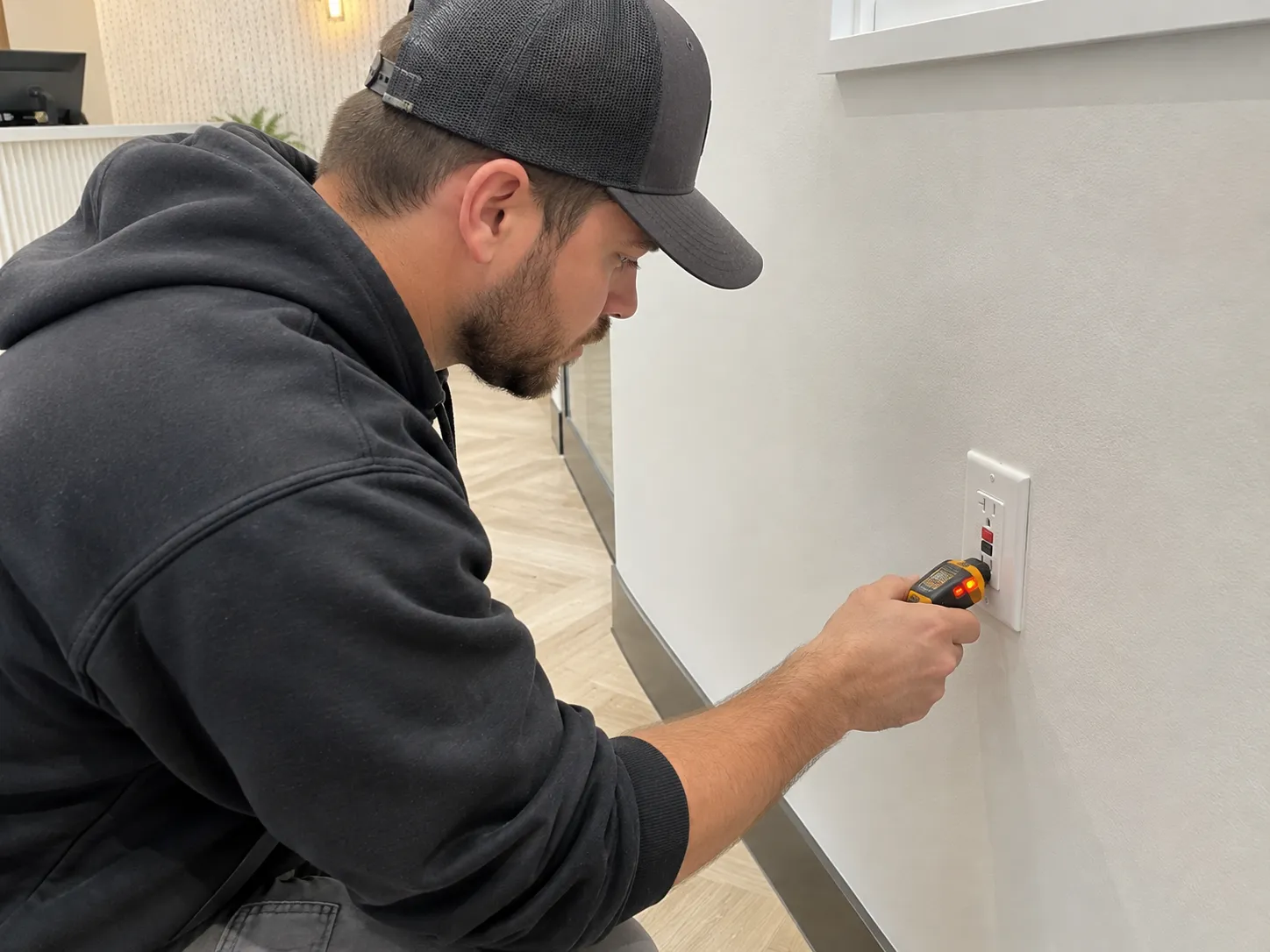
What Makes GFCI Outlets Different from Standard Outlets?
Standard electrical outlets supply power to your appliances and devices. GFCI outlets provide an additional layer of protection by monitoring the flow of electricity.
If a GFCI detects an imbalance that may indicate electricity is taking an unintended path, it quickly interrupts the power. This helps reduce the risk of electrical shock and serious injury.
Because these devices are designed to respond to electrical faults, proper installation, testing, and maintenance are essential.
Five Areas of Your Home Where GFCI Protection Matters
Water and moisture can increase the risk of electrical shock. That’s why GFCI protection is particularly important in areas such as:
1. Kitchens
Countertop appliances are often used near sinks and other water sources. Appropriate GFCI protection helps reduce the risk of electrical shock while preparing meals and cleaning.
2. Bathrooms
Hair dryers, electric shavers, and other personal care appliances are commonly used in bathrooms. Proper protection is essential in these moisture-prone spaces.
3. Garages and Workshops
Power tools and portable equipment may be used around concrete floors, damp surfaces, and outdoor entrances. GFCI protection adds an important safety measure.
4. Laundry Rooms and Utility Areas
Washing machines, sinks, and other equipment can bring electricity and moisture into close proximity. Having the appropriate protection helps reduce electrical risks.
5. Outdoor Receptacles
Outdoor outlets are exposed to rain, damp conditions, and changing weather. Properly installed GFCI protection helps make outdoor electrical use safer.
The exact requirements depend on the installation and applicable electrical code. A licensed electrician can assess your home’s specific needs.
Four Warning Signs Your GFCI Outlet Needs Attention
GFCI outlets should not be ignored simply because they still provide power. Watch for these warning signs:
- Frequent tripping: The outlet repeatedly interrupts power without an obvious explanation.
- A reset button that will not stay engaged: The device may have a fault or be detecting a continuing problem.
- Visible damage or discoloration: Loose, cracked, or discolored outlets should be professionally assessed.
- Older electrical installations: Your home may need an inspection to determine whether its existing protection is adequate.
Frequent tripping should never be treated as a nuisance to work around. It may indicate an electrical fault that needs investigation. Avoid repeatedly resetting a problematic outlet without identifying the cause.
Why Testing Your GFCI Outlets Is Important
Like other electrical components, GFCI devices can wear out or develop faults over time. An outlet may appear normal while its protective function is not operating correctly.
During a GFCI protection inspection, our licensed electricians can:
- Test existing GFCI outlets for proper operation.
- Check installation and placement.
- Identify areas that may require additional protection.
- Inspect visible wiring and electrical connections.
- Recommend replacement of defective or outdated devices where appropriate.
A professional inspection can help identify problems that are not obvious during everyday use.
Are You Renovating Your Home?
Kitchen renovations, bathroom upgrades, and new outdoor electrical installations are good opportunities to review your electrical safety.
Adding outlets or changing the layout of an existing space may affect the protection required. Having a licensed electrician assess the installation helps ensure the work meets applicable electrical code requirements.
Whether you’re updating an older home or improving a recently renovated property, proper GFCI protection should be part of the conversation.
Why Vancouver Homeowners Choose Wicks Electric
Founded in Vancouver in 2012, Wicks Electric is a family-owned and operated electrical company serving homeowners throughout Vancouver and the Lower Mainland.
Our team focuses on quality workmanship, clear communication, and a positive customer experience. Our electricians are employees, not subcontractors, and we take pride in providing reliable electrical services tailored to each home.
As part of our commitment to safety, our 20-Point Electrical Safety Inspection includes a GFCI Protection Check to help identify potential concerns and determine whether improvements are needed.
Book Your GFCI Protection Inspection in Vancouver
Electrical shock prevention starts with the right safety devices and ensuring they work as intended. If your outlets are frequently tripping, showing signs of damage, or you are unsure whether your home has adequate GFCI protection, our team can help.
Contact Wicks Electric to discuss an electrical safety inspection for your home.
Wicks Electric | Lighting the Way Since 2012
📞 Phone: (604) 765-8439
📧 Email: info@wickselectric.ca
🌐 Website: www.wickselectric.ca
Protect your home and family with professional electrical services from Wicks Electric, your trusted electricians in Vancouver, BC.
Is Your Bathroom Fan and Kitchen Hood Wiring Safe? A Guide for Vancouver Homeowners
By Wicks Electric | Licensed Electricians in Vancouver, BC
Bathroom fans and kitchen range hoods play an important role in maintaining a comfortable and healthy home. They help remove excess moisture, cooking odors, smoke, and airborne grease. However, even the best ventilation equipment may not perform properly if its electrical wiring is faulty, outdated, or incorrectly installed.
At Wicks Electric, we believe electrical safety starts with the details you cannot always see. That is why checking the wiring and connections behind your ventilation systems is an important part of maintaining your home’s electrical safety.
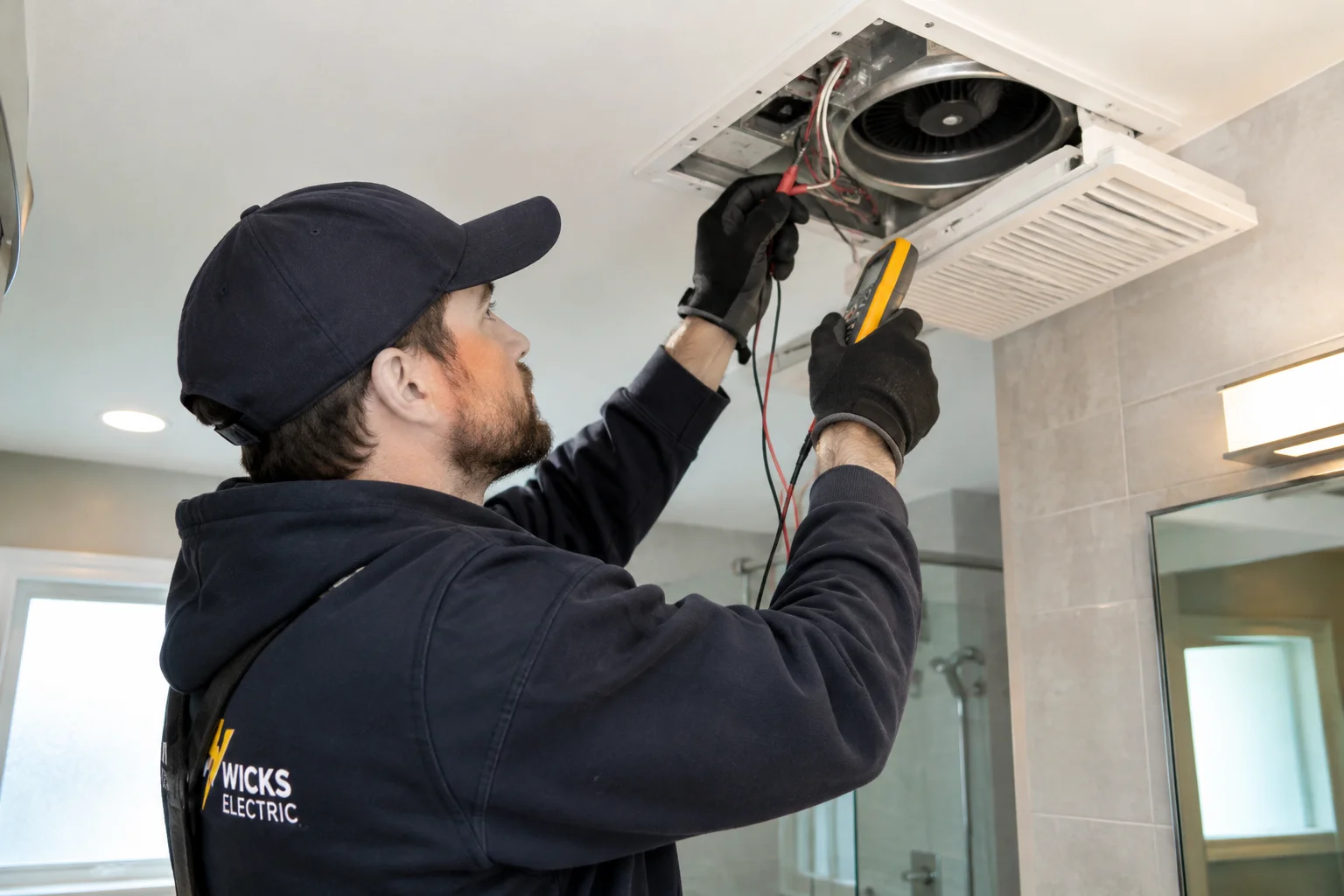
Why Proper Ventilation Wiring Matters
Bathroom fans and kitchen range hoods rely on dependable electrical connections to operate safely and consistently. When these systems work correctly, they help control humidity, improve indoor air quality, and reduce lingering odors.
In bathrooms, inadequate ventilation can contribute to moisture buildup, mold, mildew, peeling paint, and damage to walls and ceilings. In kitchens, a properly functioning range hood helps remove cooking fumes and odors.
Faulty wiring can interfere with ventilation performance and may create electrical hazards. Regular inspections can help identify potential problems before they become more serious.
Common Electrical Problems With Bathroom Fans and Kitchen Hoods
Over time, electrical components can wear out or develop faults. Older homes may also have wiring or connections that require closer inspection.
Common issues include:
- Loose electrical connections: These can cause intermittent operation or overheating.
- Damaged or aging wiring: Deteriorated insulation can compromise electrical safety.
- Improper grounding: Incorrect grounding can increase the risk of electrical shock.
- Faulty switches or controls: Worn switches may prevent fans or range hoods from operating reliably.
- Corrosion or damaged components: Moisture and everyday wear can affect electrical connections.
- Circuit problems: Incorrect electrical modifications may affect the safe operation of ventilation equipment.
A licensed electrician can inspect these components and recommend appropriate repairs when needed.
Warning Signs You Shouldn’t Ignore
Your bathroom fan or kitchen hood may need professional attention if you notice any of the following:
- The fan or range hood stops working unexpectedly.
- You hear buzzing or unusual sounds near a switch or electrical connection.
- Lights flicker when the equipment is operating.
- Your bathroom remains damp long after showering.
- Cooking odors and smoke linger longer than usual.
- You notice a burning smell near electrical equipment.
If you notice a burning smell, smoke, or signs of overheating, stop using the affected equipment if it is safe to do so and arrange prompt professional assessment. Do not open electrical equipment or attempt wiring repairs yourself.
What Does a Bathroom Fan and Kitchen Hood Wiring Inspection Include?
A professional inspection helps determine whether your ventilation equipment is connected and operating safely.
At Wicks Electric, our electricians can assess:
- Wiring and connections to identify loose connections, damage, or visible signs of deterioration.
- Switches and controls to check for proper operation.
- Grounding to assess whether the equipment is properly grounded.
- Signs of overheating or corrosion that may indicate an electrical issue.
- Electrical safety requirements to determine whether the installation meets applicable electrical code requirements.
- Equipment operation to identify electrical problems that may affect performance.
The specific work required will depend on the condition, age, and installation of your equipment.
When Should You Schedule an Electrical Inspection?
You do not need to wait for a complete equipment failure before arranging an inspection. Consider contacting an electrician if your bathroom fan or kitchen hood is unreliable, your home is undergoing renovations, or you have concerns about older electrical installations.
An inspection can also be worthwhile when upgrading your kitchen appliances or replacing a bathroom fan. Having the electrical connections assessed helps ensure the new equipment is suitable for the existing installation.
Remember that reduced airflow can also result from blocked ducts, dirty filters, or mechanical problems. An electrical inspection can help identify wiring concerns, but other ventilation issues may require separate attention.
Why Choose Wicks Electric?
Since 2012, Wicks Electric has provided residential electrical services to homeowners in Vancouver and the Lower Mainland. Our licensed electricians focus on careful workmanship, clear communication, and practical recommendations tailored to each home.
Whether you need help investigating an unreliable bathroom fan, checking your kitchen hood wiring, or addressing other electrical concerns, our team is here to help you maintain a safe and dependable electrical system.
Book Your Electrical Inspection in Vancouver
Your bathroom fan and kitchen hood help protect your home from excess moisture, odors, and airborne contaminants. Make sure the electrical connections supporting these essential appliances receive the attention they deserve.
Contact Wicks Electric to discuss your electrical inspection or repair needs.
Wicks Electric | Lighting the Way
Phone: (604) 765-8439
Email: info@wickselectric.ca
Website: www.wickselectric.ca
Your trusted electricians in Vancouver, BC, providing professional electrical services for safer, more comfortable homes.
Hidden Electrical Hazards Outside Your Home: Why Exterior Inspections Matter
When homeowners think about electrical safety, they often focus on outlets, light switches, breaker panels, and indoor wiring. However, some of the most important parts of a home’s electrical system are located outside, where they are exposed to rain, wind, moisture, and changing temperatures year-round.
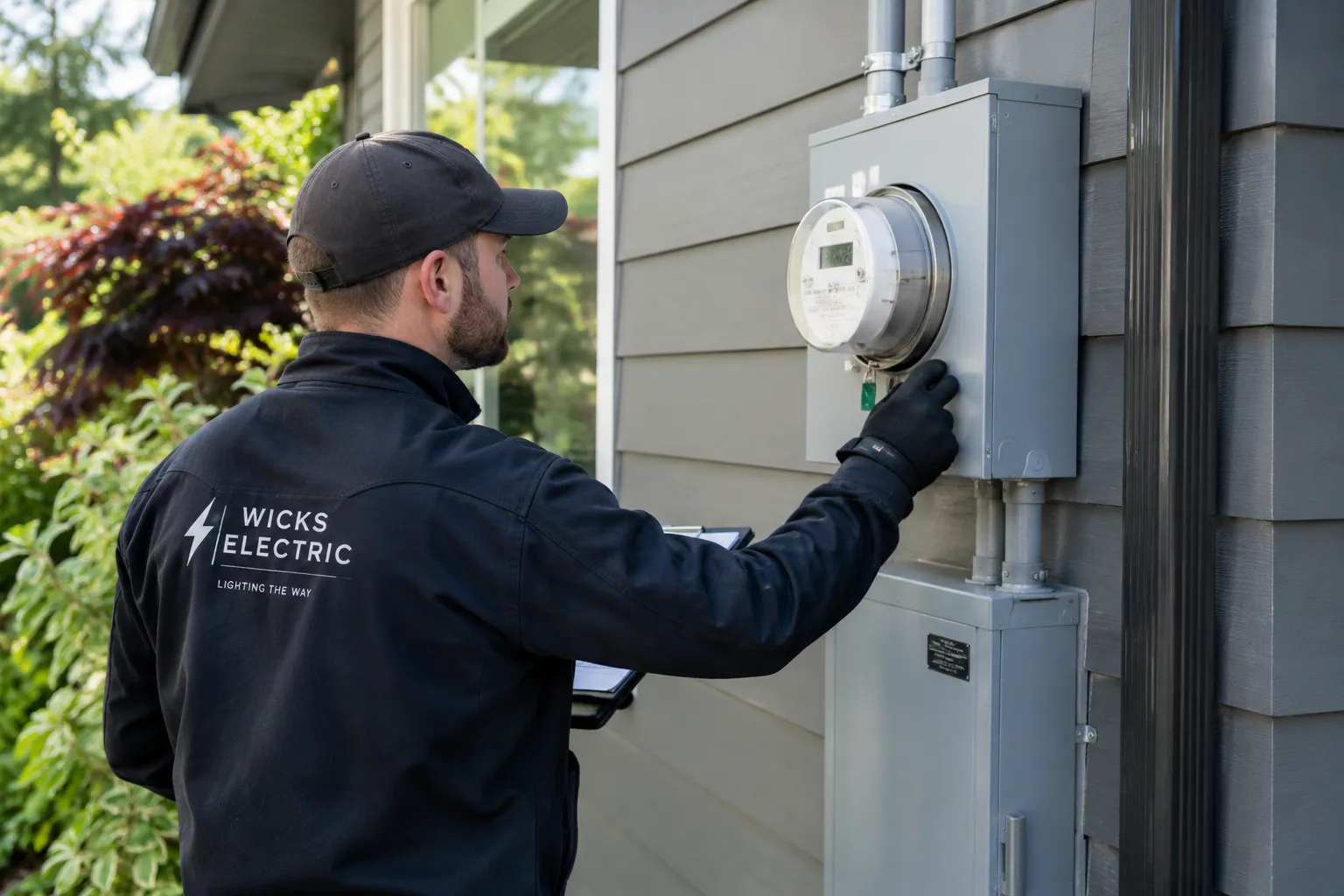
At Wicks Electric, we believe electrical safety starts at the point where power enters your home. That is why our comprehensive 20-Point Electrical Safety Inspection includes checking the exterior electrical service and meter base.
If you want to keep your home safe and your electrical system reliable, understanding these often-overlooked components is an important first step.
What Is Your Home’s Exterior Electrical Service?
Your exterior electrical service is the connection that brings electricity from the utility supply into your property. It consists of several components that work together to deliver power safely to your home’s electrical panel.
These components may include:
- Service mast and weatherhead: Help support and protect overhead service conductors from the elements.
- Service entrance conductors: Carry electricity toward your home’s electrical system.
- Cable attachments and strain reliefs: Help secure service cables and manage mechanical tension.
- Meter base: Houses the electrical meter and provides the connection point for measuring your property’s electricity use.
- Grounding and bonding components: Help provide an important layer of electrical protection.
Because these components are exposed to outdoor conditions, they can experience wear and deterioration over time. Even when your lights and appliances appear to work normally, the exterior equipment may still need attention.
How Vancouver’s Weather Can Affect Exterior Electrical Equipment
In Vancouver and across the Lower Mainland, exterior electrical components face ongoing exposure to moisture, rain, wind, and seasonal temperature changes.
Over the years, this exposure can contribute to several potential problems, including:
1. Rust and Corrosion
Metal meter bases, brackets, and other exterior hardware can develop rust or corrosion. If deterioration becomes significant, it may affect the condition and reliability of the equipment.
2. Loose or Damaged Service Cables
Service cables and their supporting hardware must remain properly secured. Damaged cables or loose attachments may create electrical safety concerns and can contribute to service interruptions.
3. Deteriorated Weather Protection
Cracked seals, damaged weatherheads, or compromised protective coverings may allow moisture to reach areas that should remain protected.
4. Water Intrusion
Signs of water entering electrical equipment should never be ignored. Moisture around electrical connections can contribute to corrosion, equipment damage, and potential shock or fire hazards.
5. Aging or Improperly Supported Equipment
Older service equipment may show signs of deterioration or require further assessment to determine whether repairs or upgrades are needed.
These issues do not always cause immediate symptoms. Regular inspections can help identify visible concerns before they develop into more serious problems.
What Does an Electrician Check During an Exterior Inspection?
A professional exterior electrical inspection involves more than simply looking at the meter. A licensed electrician assesses the visible condition of the service equipment and identifies potential safety concerns.
At Wicks Electric, our inspection may include checking:
- The service mast for secure anchoring and proper support
- The meter base for rust, corrosion, and physical damage
- Service cable attachments and strain relief hardware
- The condition of weather protection and visible signs of moisture intrusion
- Visible grounding and bonding components
- The overall condition of exterior electrical equipment
Our goal is to identify concerns, explain our findings, and recommend appropriate next steps to help maintain a safe and reliable electrical system.
Certain utility-side components may fall under BC Hydro’s responsibility. If an issue involves utility-owned equipment, further coordination with the utility provider may be required.
When Should You Schedule an Exterior Electrical Inspection?
Although exterior equipment should not be overlooked during routine maintenance, an inspection can be particularly valuable in several situations.
Consider arranging an inspection if:
- Your home is more than 20 years old.
- You are planning an electrical service or panel upgrade.
- You have noticed flickering lights or unusual power fluctuations.
- You have recently purchased a home.
- You are preparing to sell your property.
- You can see rust, damaged hardware, deteriorated weather protection, or other signs of wear around the meter base or service entrance.
If you notice exposed or damaged electrical conductors, sparks, smoke, or signs of active electrical damage, keep your distance and seek professional assistance. Do not attempt to repair exterior service equipment yourself.
Even if everything appears to be working properly, a professional inspection can help identify visible issues that might otherwise go unnoticed.
Why Exterior Inspections Are Part of a Complete Electrical Safety Check
Your home’s electrical system works as a connected network. Problems at the service entrance can affect the reliability and safety of the electrical equipment supplied by it.
That is why a thorough electrical safety inspection should consider both indoor and outdoor components.
Wicks Electric’s 20-Point Electrical Safety Inspection helps homeowners assess important areas of their electrical system, from the exterior service and meter base to the components inside their homes.
We focus on careful workmanship, clear communication, and practical recommendations so you can make informed decisions about maintaining your property.
Trust Wicks Electric for Residential Electrical Services in Vancouver
At Wicks Electric, we are proud to help homeowners throughout Vancouver and the Lower Mainland maintain safe, dependable electrical systems. Our licensed electricians take the time to assess potential concerns and explain what may need attention.
Whether you are maintaining an older home, preparing for a renovation, planning an electrical upgrade, or simply looking for added peace of mind, our team is here to help.
Do not overlook the electrical equipment outside your home.
Contact Wicks Electric to schedule your 20-Point Electrical Safety Inspection and take a proactive step toward protecting your home’s electrical system.
Wicks Electric Inc.
Lighting the Way
Phone: (604) 765-8439
Email: info@wickselectric.ca
Website: https://www.wickselectric.ca
Serving Vancouver and the Lower Mainland with professional residential electrical services.
Is Your Home Ready for an Electric Vehicle Charger? A Vancouver Homeowner’s Guide
Electric vehicles are changing the way Canadians drive, and more homeowners across Vancouver and the Lower Mainland are looking for convenient ways to charge their vehicles at home. While owning an electric vehicle offers many benefits, preparing your home’s electrical system for charging is an important step that should not be overlooked.
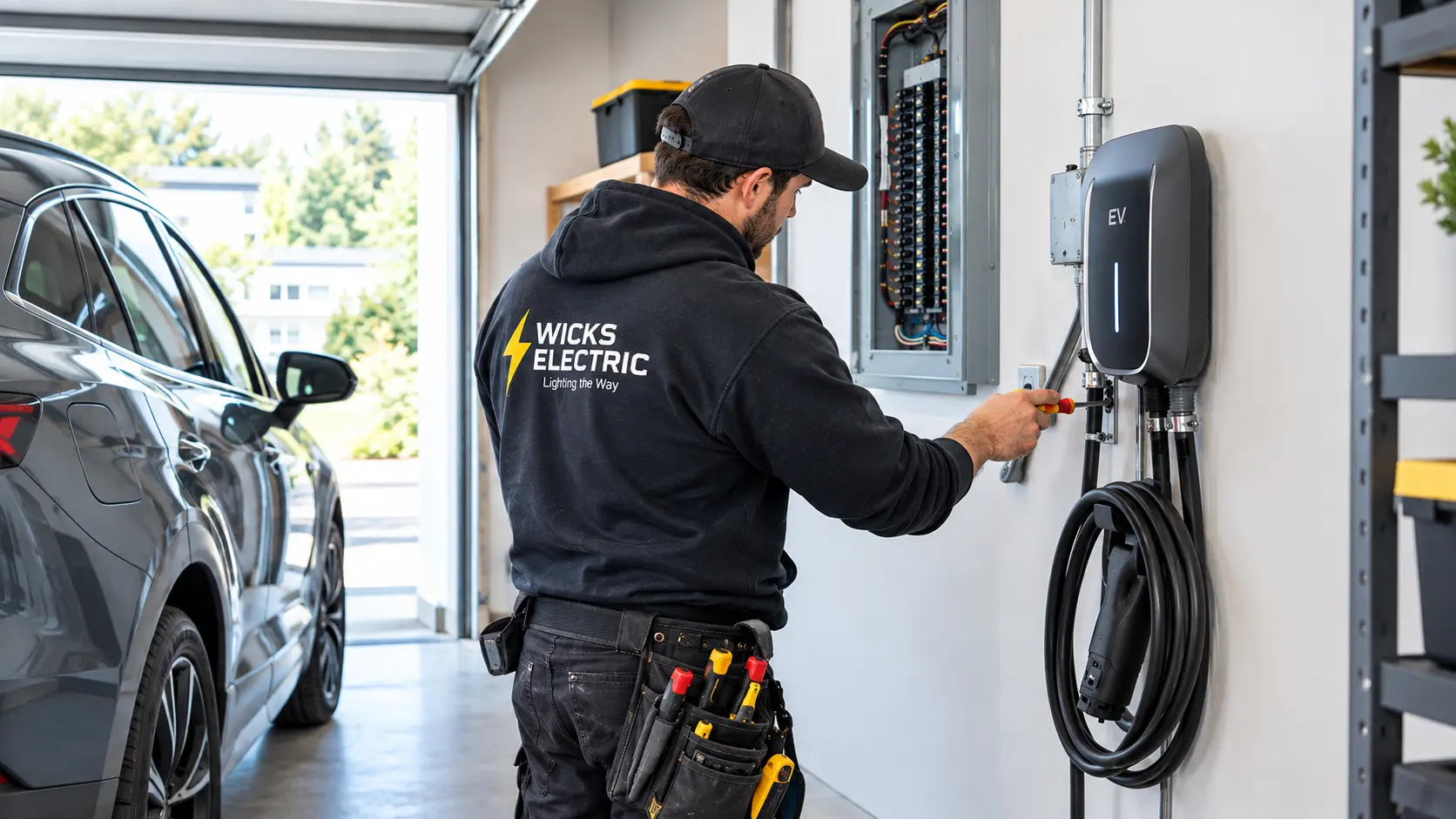
At Wicks Electric, we help homeowners understand their electrical requirements and find practical solutions for safe, reliable EV charger installation. Whether you have recently purchased an electric vehicle or are planning ahead for the future, understanding your home’s electrical capacity can help you make an informed decision.
1. Why Install an EV Charger at Home?
Charging your electric vehicle at home gives you greater control over your daily routine. Instead of planning your day around public charging stations, you can charge your vehicle while you’re at home, including overnight.
Some of the key benefits of home EV charging include:
- Everyday convenience: Plug in when you arrive home and charge on your own schedule.
- Faster charging: A Level 2 charger can replenish your battery much faster than a standard household outlet.
- Greater flexibility: Choose charging times that suit your driving habits and household needs.
- Long-term practicality: A dedicated charging setup can make everyday EV ownership easier, particularly for households with regular commuting needs.
For many homeowners, installing a dedicated charging station is a worthwhile improvement that makes owning an electric vehicle more convenient.
2. Choosing the Right EV Charger for Your Lifestyle
Before purchasing charging equipment, it helps to understand the two most common home charging options.
Level 1 charging uses a standard household outlet and typically provides a slow charging rate. It may be suitable for drivers with short daily commutes or vehicles that remain parked for extended periods.
Level 2 charging uses a 240-volt supply and generally delivers substantially faster charging. It is a popular choice for homeowners who drive regularly, have longer commutes, or need more flexibility when charging their vehicles.
The best option depends on your vehicle’s charging capabilities, daily mileage, available charging time, and your home’s electrical system. An electrician can help determine whether your existing installation can accommodate your preferred charger.
3. Can Your Electrical Panel Handle an EV Charger?
One of the most important steps before installing an EV charger is evaluating your home’s electrical capacity.
An EV charger can add a significant electrical load, especially when operating alongside other high-demand appliances such as electric ranges, dryers, hot tubs, and heat pumps.
A licensed electrician can assess several factors, including:
- Your electrical service and panel capacity
- The existing electrical loads in your home
- Available breaker space
- The charger’s voltage and amperage requirements
- The distance between your electrical panel and parking area
- Your plans for future electrical upgrades or additional vehicles
Not every home needs an electrical service upgrade. Depending on the assessment, a dedicated circuit, an appropriate load management system, or another suitable solution may be sufficient.
The goal is to select a charging setup that meets your needs without exceeding your home’s electrical capacity.
4. What If Your Home Needs Electrical Upgrades?
Some homes can accommodate an EV charger with relatively minor electrical work, while others may require additional preparation.
If your existing electrical service has limited capacity, your electrician may recommend reviewing the available options before proceeding. These could include installing a suitable load management system, modifying the planned charger output, or upgrading the electrical service where necessary.
The location of your parking space also affects installation costs. A charger installed close to the electrical panel may require less wiring and conduit than one located in a detached garage or at the opposite end of the property.
Having your electrical system assessed before purchasing equipment can help you avoid unexpected expenses and choose a solution that works for your property.
5. Planning Your EV Charger Installation
A successful installation starts with understanding how you intend to use your charger.
Consider the following questions before scheduling the work:
- Where will you normally park and charge your vehicle?
- Will the charger be installed indoors or outdoors?
- How far is the parking location from your electrical panel?
- Do you need a longer charging cable or a particular mounting arrangement?
- Are you planning to purchase another electric vehicle in the future?
If you’re building a new home, renovating your garage, or upgrading your electrical system, preparing for EV charging during construction can simplify the installation process. Installing appropriate conduit or planning a dedicated circuit in advance may reduce the amount of work required later.
Even if you do not own an electric vehicle yet, discussing future charging requirements with your electrician can help you prepare your home more efficiently.
6. Why Professional EV Charger Installation Matters
An EV charging station is connected to your home’s electrical system and must be installed with appropriate protection, wiring, and circuit capacity.
Professional installation helps ensure that the charger is suitable for your electrical supply and that the installation meets applicable electrical code requirements.
Depending on the project, installation may involve:
- Assessing electrical capacity and calculating the anticipated load
- Installing a dedicated branch circuit and appropriate overcurrent protection
- Routing and securing wiring or conduit
- Selecting a suitable mounting location
- Providing appropriate protection for outdoor equipment
- Testing the completed installation
- Addressing applicable permits and inspection requirements
In British Columbia, electrical work must comply with applicable provincial requirements and the relevant electrical code. Permit requirements depend on the project and applicable exemptions, so these should be confirmed before work begins.
Choosing a qualified electrical contractor helps ensure that important safety considerations are addressed from the beginning.
7. Think About Your Future Electrical Needs
Your first EV charger may not be the last electrical improvement your home requires.
As household technology evolves, you may eventually consider adding a second electric vehicle, installing a heat pump, or incorporating other electrical equipment into your home.
Discussing these possibilities during the initial assessment can help your electrician recommend a practical installation strategy. Where appropriate, planning for future capacity or adding suitable infrastructure during renovations may reduce the need for further construction later.
Future planning does not necessarily mean installing more equipment than you need today. It means making informed decisions that leave you with sensible options as your needs change.
8. Why Choose Wicks Electric for EV Charger Installation?
At Wicks Electric, we understand that every home has different electrical requirements. Our licensed electricians help homeowners throughout Vancouver and the Lower Mainland assess their electrical systems and determine the most suitable approach to home EV charging.
As a family-owned and operated electrical company, we focus on dependable workmanship, clear communication, and practical recommendations tailored to each property.
We take the time to evaluate your existing electrical setup, discuss your charging requirements, and identify any work that may be needed before installation. Our goal is to provide a safe, reliable solution that fits your home and your everyday routine.
Whether you’re installing your first EV charger or preparing your property for future electrical needs, our team is here to help.
Get Your Home Ready for EV Charging
Thinking about installing an electric vehicle charger? Before you purchase equipment or begin electrical work, let Wicks Electric assess your home’s electrical capacity and help you understand your options.
Our team can answer your questions, review your installation requirements, and recommend a practical solution for your property.
Contact Wicks Electric today to discuss your home EV charger installation in Vancouver and the Lower Mainland.
Wicks Electric | Lighting the Way
Phone: 604-765-8439
Email: info@wickselectric.ca
Website: www.wickselectric.ca
Wicks Electric. Helping Vancouver homeowners charge smarter with safe, reliable electrical solutions.
Is Your Electrical Panel Ready for Your Home’s Power Needs?
Your home’s electrical panel plays a bigger role in your daily life than you might think. From powering your kitchen appliances to keeping your heating system, lighting, and electronics running, it serves as the central hub of your home’s electrical system.
But as technology advances and households add more electrical devices, older electrical panels may struggle to keep up with modern power demands.
If your home is undergoing renovations, you’re considering installing an EV charger, or you’ve noticed electrical issues aroIs Your Electrical Panel Ready for Your Home’s Power Needs?und the house, it may be time to take a closer look at your electrical panel.
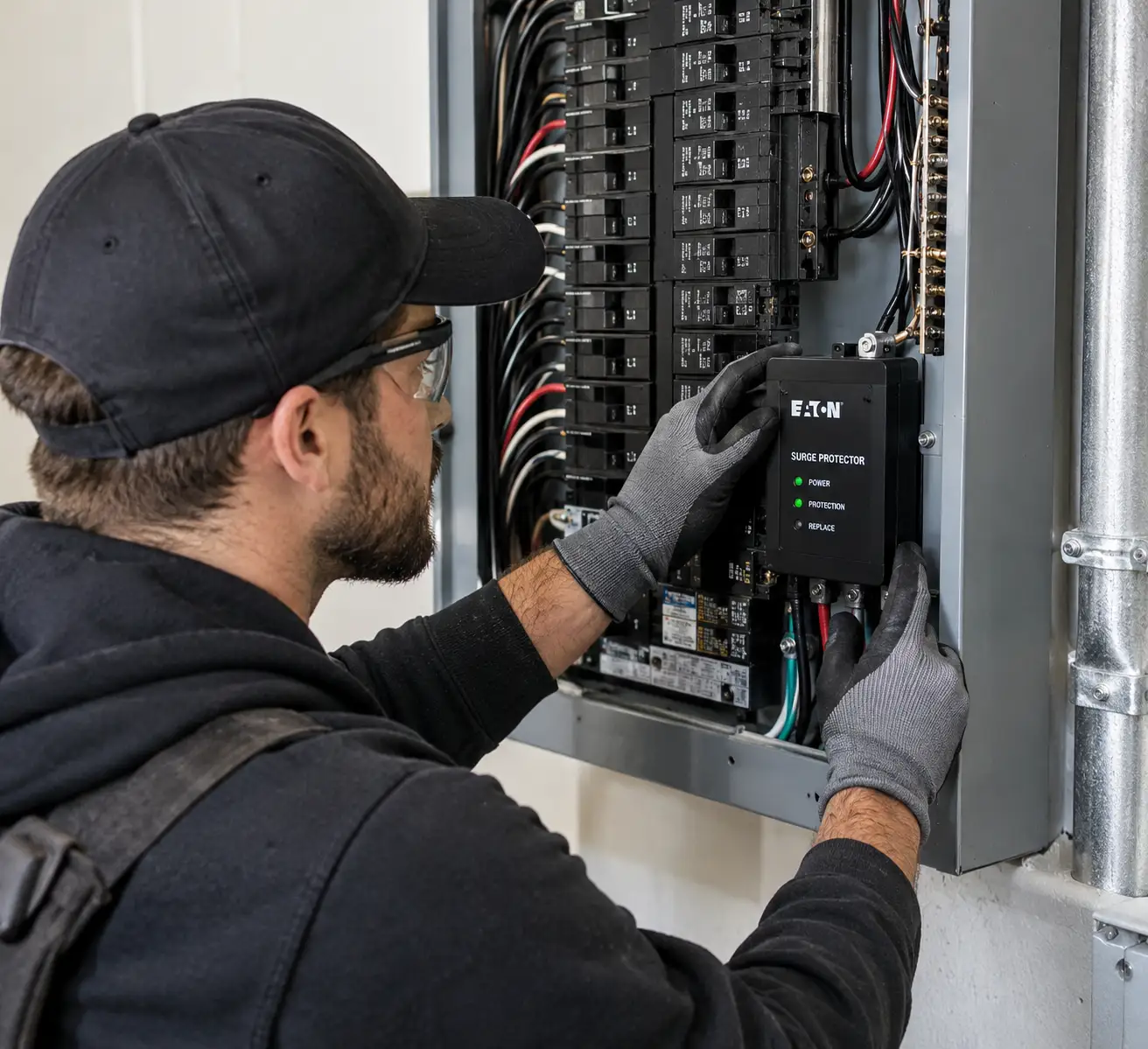
What Does an Electrical Panel Actually Do?
Your electrical panel distributes electricity throughout your home and helps protect individual circuits from overloads.
When too much current flows through a circuit, a circuit breaker is designed to trip and interrupt the flow of electricity. This helps reduce the risk of overheating and electrical hazards.
A properly functioning panel helps ensure your home’s electrical system can support your everyday needs safely and reliably.
Signs Your Electrical Panel May Need Attention
Electrical problems aren’t always obvious, but certain warning signs should never be ignored.
Here are some things homeowners should watch for:
- Frequently tripping breakers: Repeated breaker trips may indicate an overloaded circuit or another electrical issue.
- Flickering or dimming lights: Lights that flicker when appliances turn on may point to an electrical problem that needs investigation.
- Burning smells or unusual heat: A burning odour, buzzing sounds, or a hot electrical panel can indicate a potentially serious issue.
- Limited space for new circuits: If your panel has little room for additional breakers, future upgrades may require further assessment.
- An older electrical panel: Older equipment may not be suitable for your home’s current electrical demands, depending on its condition and specifications.
If you notice burning smells, unusual heat, or buzzing from your panel, arrange for prompt professional assessment. If there is smoke or an active fire, leave the area and contact emergency services.
Planning to Install an EV Charger or Upgrade Your Home?
Modern homes often require more electricity than they did years ago.
EV chargers, heat pumps, air conditioning systems, electric ranges, and other high-demand equipment can increase the load on your electrical system.
Before adding new equipment, it’s important to determine whether your existing panel and electrical service can accommodate the additional demand.
Depending on the assessment, the solution may involve adding a dedicated circuit, making electrical modifications, managing electrical loads, or upgrading the panel. Not every home requires a panel replacement, which is why a professional evaluation matters.
Why Electrical Panel Inspections Matter
Your electrical panel should not be something you only think about when a breaker trips.
A professional electrical inspection can help identify signs of wear, potential safety concerns, overloaded circuits, and limitations that could affect future upgrades.
An electrician can assess the panel’s condition, review your home’s electrical requirements, and recommend appropriate improvements based on your property’s needs.
Taking a proactive approach can help you address potential issues before they become more disruptive or costly.
Don’t Wait Until an Electrical Problem Disrupts Your Home
Your electrical system supports many of the things you rely on every day. Keeping it in good condition is an important part of maintaining a safe, comfortable, and functional home.
Whether you’re planning a renovation, installing an EV charger, or simply want peace of mind about your existing electrical setup, having your electrical panel assessed is a practical first step.
Let Wicks Electric Help
Not sure whether your electrical panel can handle your home’s current or future power needs?
Wicks Electric provides professional electrical services for homes and businesses across Vancouver and the Lower Mainland. Our licensed electricians can assess your electrical system, answer your questions, and help you understand the options available for your home.
Contact Wicks Electric today to schedule your Electrical Safety Inspection.
📞 604-765-8439
📧 info@wickselectric.ca
🌐 www.wickselectric.ca
Wicks Electric
Lighting the Way
Trusted Electrical Solutions for Homes and Businesses Across Vancouver & the Lower Mainland.
Is Your HVAC System Getting the Electrical Attention It Needs?
Your HVAC system works behind the scenes to keep your home or business comfortable throughout the year. But while most property owners think about filters, thermostats, and mechanical maintenance, one important part is often overlooked: the electrical system powering the equipment.
Faulty wiring, loose connections, corrosion, or an improperly sized breaker can affect how your HVAC equipment operates and may create unnecessary safety risks.
That is why an electrical inspection of your HVAC and mechanical equipment can be an important part of maintaining your property.
At Wicks Electric, our 20 Point Electrical Safety Inspection includes an HVAC and Mechanical Equipment Check designed to identify electrical issues before they become larger problems.
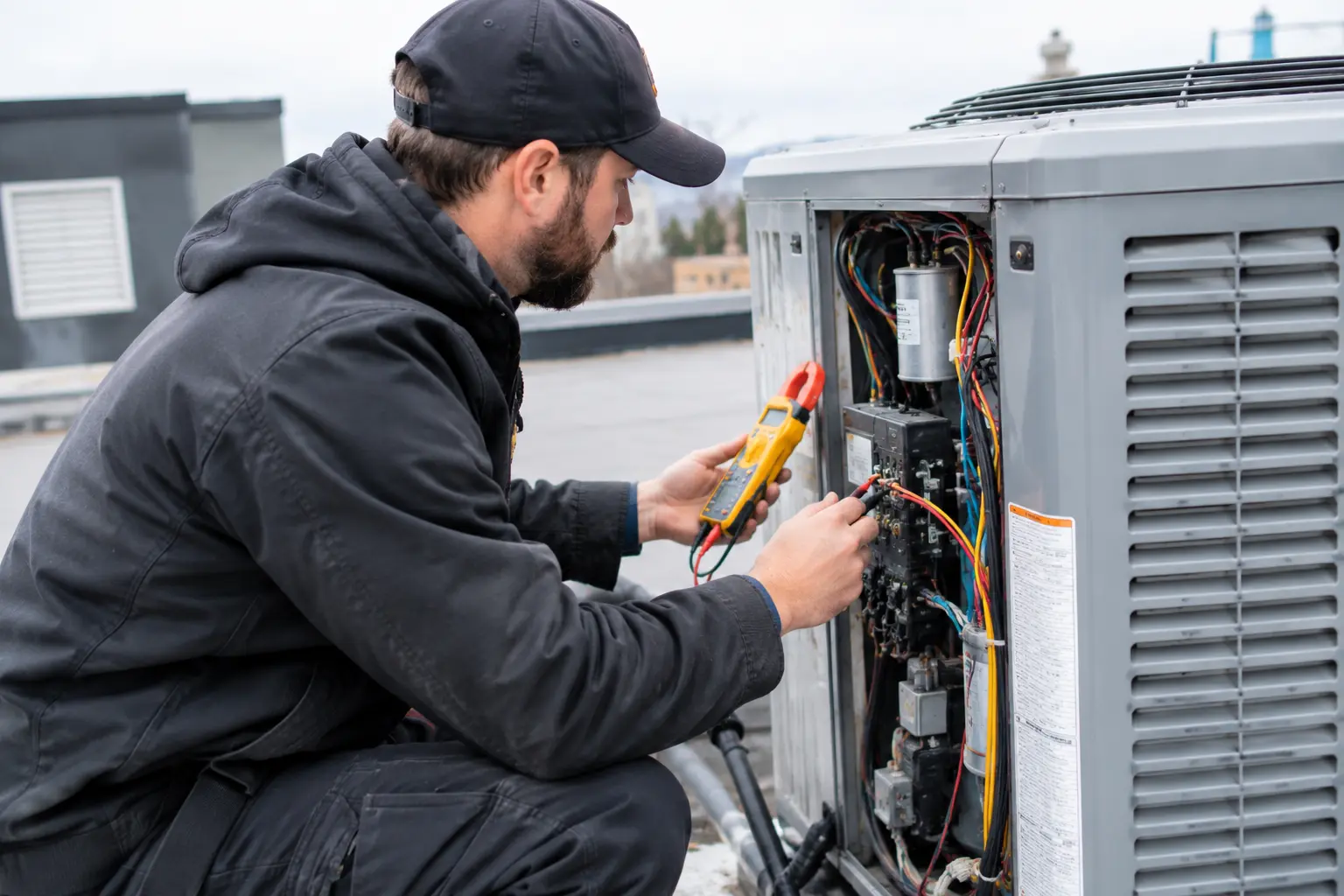
What Does an HVAC Electrical Check Include?
Our licensed electricians review the electrical components that power your HVAC and mechanical equipment.
During the inspection, we can:
• Inspect electrical connections to HVAC units, heat pumps, and water pumps
• Verify proper breaker sizing and wiring integrity
• Look for signs of overheating, corrosion, or loose connections
• Check thermostats, control wiring, and safety shut off devices
• Review your existing cooling setup
• Discuss electrical requirements if you are considering adding air conditioning
This proactive approach can help identify problems that may otherwise remain hidden until equipment stops working.
What Can Happen When Electrical Problems Are Ignored?
HVAC equipment can operate for long periods, which means electrical problems may develop gradually.
Issues with the electrical side of the system can contribute to:
• Unexpected equipment shutdowns
• Reduced equipment lifespan
• Higher energy costs caused by inefficient operation
• Overheating
• Electrical shock hazards
• Potential fire hazards
A loose connection or damaged wiring may not seem like a major concern at first, but electrical problems can become more serious over time.
Thinking About Adding Air Conditioning?
If your home or business does not currently have air conditioning, it is important to consider your electrical system before adding new equipment.
An air conditioning system adds electrical demand to your property. Before installation, the electrical system may need to be reviewed to determine whether it has enough capacity for the new equipment.
Wicks Electric can help assess:
• Electrical panel capacity
• Circuit requirements
• Power requirements for the new equipment
• Electrical upgrades that may be needed
Our goal is to help you understand what your electrical system can support so you can plan your cooling upgrade properly.
Why Include HVAC in an Electrical Safety Inspection?
Your HVAC equipment depends on a reliable electrical supply every day. Checking the electrical components as part of a broader safety inspection can help uncover issues before they result in an unexpected breakdown.
Regular electrical inspections are especially useful when you have older equipment, are planning renovations, or are adding new high demand systems to your property.
Why Choose Wicks Electric?
At Wicks Electric, we believe electrical service is about more than simply fixing a problem when something stops working.
Our licensed electricians provide:
• Clear and straightforward recommendations
• Clean and professional workmanship
• Safety focused electrical solutions
• Properly sized circuits and electrical connections
• Clear communication throughout the service
Whether you own a home, commercial property, or business in Vancouver, we can help you understand the condition of the electrical systems supporting your equipment.
Keep Your HVAC System Powered Safely
Your HVAC system works hard to keep your property comfortable. Make sure the electrical system behind it is working safely too.
If you are experiencing electrical issues with your HVAC equipment, planning to add air conditioning, or simply want to understand the condition of your electrical system, Wicks Electric can help.
Wicks Electric
📞 604 765 8439
📧 info@wickselectric.ca
🌐 www.wickselectric.ca
Wicks Electric – Powering Comfort and Safety Across Vancouver.